Armoured Cables for Petrochemical Plants: Navigating BS Standard Compliance in the GCC
Explore BS 5467, BS 6622, and BS 7835 armoured cables for petrochemical plants in the GCC, including SWA and AWA selection for heat, corrosion, and safety compliance.
hongjing.Wang@Feichun
7/16/202615 min read
Downstream petrochemical facilities, refinery complexes, and associated chemical processing hubs represent some of the most capital-intensive and safety-critical engineering installations in the world. Within these expansive plants, the continuity of electrical power distribution and control networks controls the core operational viability of the enterprise. The failure of a single critical power loop or control run can halt production, resulting in millions of dollars in unexpected downtime, while posing significant risks to plant personnel and surrounding environmental ecosystems.
For this reason, specifying engineers, procurement teams, and Engineering, Procurement, and Construction (EPC) contractors cannot treat electrical cabling as a commoditized utility item. In the harsh conditions of a petrochemical plant, cables are subjected to environments that exceed the operational envelopes of standard commercial or light-industrial wiring systems. The electrical infrastructure must perform reliably while being exposed to extreme ambient thermal cycles, continuous hydrocarbon saturation, aggressive chemical washdowns, and high mechanical loads. Furthermore, these systems must maintain structural integrity during emergency fire events to ensure safe plant shutdown.
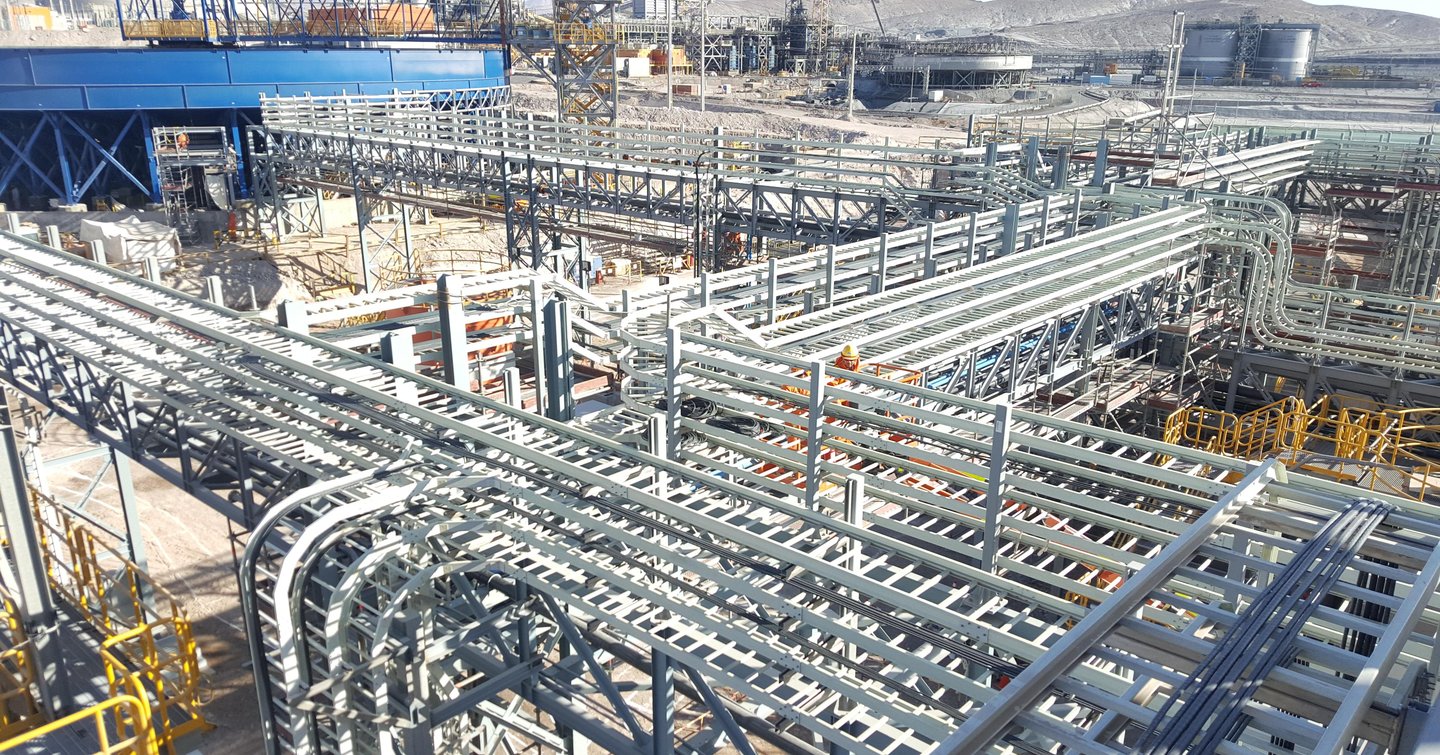
When these engineering challenges are deployed within the Gulf Cooperation Council (GCC) region—specifically across major project corridors in the United Arab Emirates, the Kingdom of Saudi Arabia, and Qatar—the severity of these operational stressors increases significantly. Cables installed in open utility corridors, outdoor process blocks, and pipe racks face an intense environmental baseline. Ambient summer temperatures frequently exceed 50°C, pushing localized surface temperatures on exposed cable trays past 75°C due to solar radiation. This extreme heat is combined with high ultraviolet (UV) exposure, sandstorms that cause physical abrasion, and corrosive, salt-laden marine air common along coastal industrial zones like Al Jubail, Ruwais, and Mesaieed.
To withstand these conditions, fixed-installation armoured cables designed in strict accordance with British Standards (BS) have become a preferred choice for engineering teams. These standards establish clear requirements for structural design, material thickness, insulation parameters, and performance testing. They provide a reliable framework for building robust power distribution layers that meet the strict requirements of regional energy operators, including Saudi Aramco, ADNOC, and QatarEnergy.
By focusing specifically on fixed installations rather than flexible reeling setups, this guide examines how British Standard compliant armoured cables—such as those engineered by Feichun—provide the necessary mechanical protection, thermal durability, and environmental resistance required for modern petrochemical operations in the GCC.
1. Introduction: Why Petrochemical Cable Choice Is Critical
2. What BS Armoured Cable Standards Cover
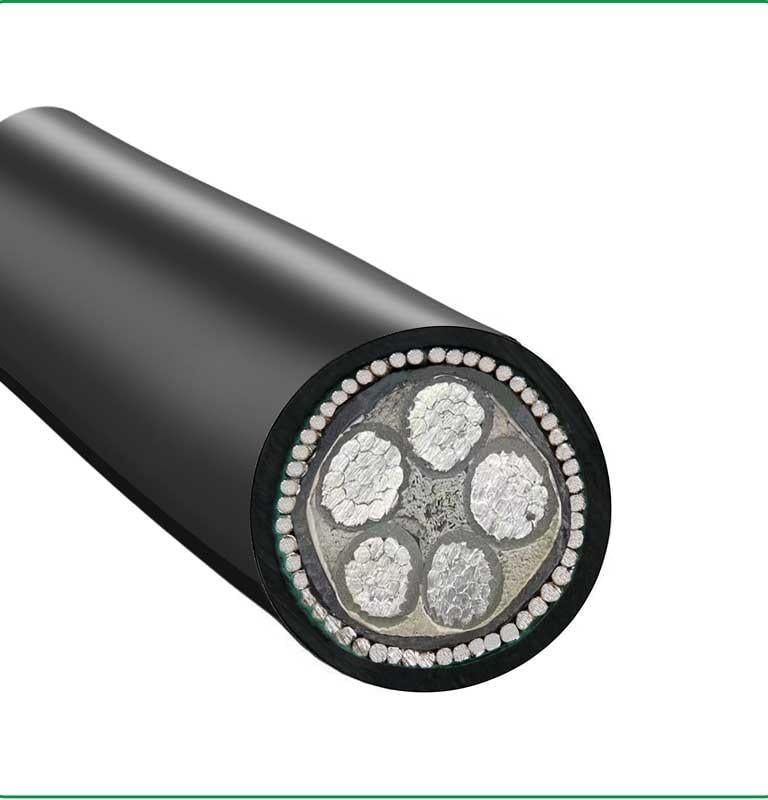
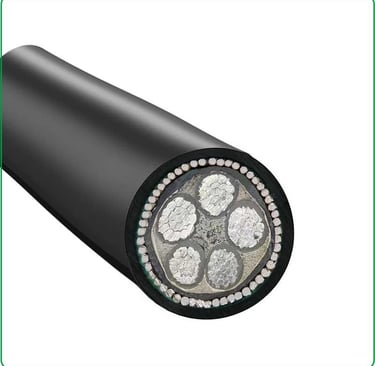
The British Standard (BS) system provides a well-defined framework for the design, testing, and implementation of armoured electrical cables across low-voltage and medium-voltage networks. For engineering teams operating in the petrochemical sector, navigating these standards requires a clear understanding of the specific operational roles assigned to each compliance document. These standards ensure that cables feature the exact insulation properties, bedding layers, mechanical shielding, and outer sheaths required to survive industrial environments.
Among the low-voltage frameworks, BS 5467 stands as the primary standard for fixed-installation industrial power distribution. This standard specifies the structural design, geometric tolerances, and material profiles for cross-linked polyethylene (XLPE) insulated, armoured cables rated for low-voltage applications. The framework provides a reliable structural baseline for general industrial wiring, secondary distribution loops, and auxiliary plant power networks where mechanical protection is a core requirement.
As systems move into medium-voltage distribution grids—such as primary feeds between main plant substations and large process units—the regulatory requirements shift to BS 6622. This standard governs armoured cables with thermosetting insulation rated for voltages ranging from 3.8/6.6kV up to 19/33kV. It outlines the manufacturing parameters and testing protocols necessary for high-load industrial power networks, deep underground routes, and primary electrical distribution lines where both high-voltage insulation integrity and mechanical shielding are required.
When project specifications require enhanced fire safety and minimal smoke generation, BS 7835 serves as the primary reference standard. This standard defines the requirements for armoured cables utilizing thermosetting insulation paired with low smoke zero halogen (LSZH) inner bedding and outer protective sheathing compounds. While BS 5467 and BS 6622 traditionally specify standard polyvinyl chloride (PVC) sheathing materials, BS 7835 is engineered for projects where reducing toxic gas emission and maintaining optical clarity during a fire are critical design priorities. This makes it an essential standard for enclosed process buildings, control rooms, and areas with high personnel density.
3. BS 5467 for Low-Voltage Fixed Installation
For low-voltage fixed installations within process plants and utilities, cables manufactured to BS 5467 function as a reliable primary workhorse. Rated specifically for 0.6/1kV distribution loops, these cables are designed to operate continuously under significant mechanical and thermal stress.
[ Conductor ] ──► [ XLPE Insulation ] ──► [ Inner Bedding ] ──► [ Armour Layer ] ──► [ Outer Sheath ] (Copper/Alum) (90°C Rated GP8) (Extruded PVC) (SWA or AWA) (UV/Oil PVC)
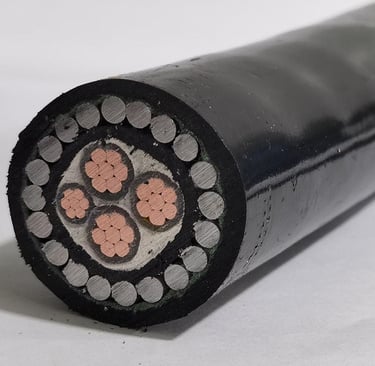
The internal architecture of a standard BS 5467 cable follows a layered design optimized for heavy industrial applications:
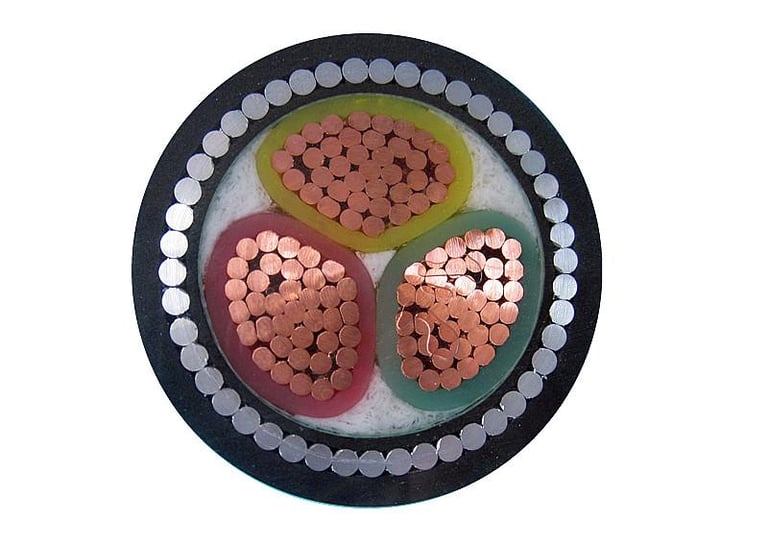
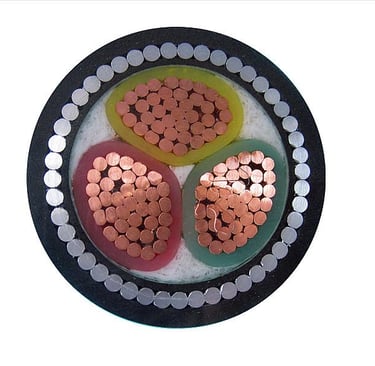
Central Conductor Element: Typically made using plain annealed stranded copper (Class 2) or solid aluminum elements to ensure efficient electrical conductivity and reliable mechanical terminations.
Primary Insulation Layer: Features a cross-linked polyethylene (XLPE) compound—specifically designated as Type GP8 to BS 7655-1.3—extruded uniformly over the conductor. This thermosetting material allows the cable to operate at a maximum continuous conductor temperature of 90°C and withstand short-circuit conditions up to 250°C.
Inner Bedding Compound: An extruded layer of polyvinyl chloride (PVC) that encloses the insulated core assembly. This bedding forms a uniform circular profile under the armour layer, protecting the internal cores from mechanical pinching or abrasion from the metal wires.
Mechanical Armour Layer: Consists of a helical wrap of galvanized steel wires (SWA) for multi-core configurations or non-magnetic aluminum wires (AWA) for single-core variations. This layer provides excellent tensile strength and protection against crushing forces.
Outer Protective Sheath: Formulated from a robust PVC Type 9 compound to BS 7655-4.2. This layer resists moisture infiltration, mechanical scratching, and environmental breakdown.
This robust multi-layer design makes BS 5467 cables highly versatile for fixed petrochemical installations. They can be installed on indoor overhead cable trays, routed through concrete-encased underground ducts, or buried directly in free-draining soil where high earth pressures and mechanical impact risks exist. This reliability makes them well-suited for auxiliary power circuits, lighting grids, motor control center (MCC) feeds, and automated process control loops throughout the plant.
4. BS 6622 for Medium Voltage Systems
As electrical systems transition from low-voltage plant operations to primary medium-voltage distribution networks, the mechanical and electrical demands increase significantly. The BS 6622 standard defines the engineering requirements for these medium-voltage armoured cable networks, which typically operate between 3.8/6.6kV and 19/33kV. These systems act as the primary power links for the facility, carrying energy from main grid connection substations down to localized secondary transformers and large high-output machinery, such as high-capacity product pumps, gas compressors, and water cooling systems.
The structural design of a BS 6622 cable builds upon the layered approach used in low-voltage variants but adds specialized electrical screening to manage higher voltage stresses:
Conductor Component: Features high-purity stranded copper or aluminum elements designed to minimize electrical resistance over long distribution runs.
Triple-Extruded Insulation System: Includes an inner semi-conductive conductor screen, a thick layer of high-dielectric cross-linked polyethylene (XLPE) insulation, and an outer semi-conductive core screen. This triple-extrusion process ensures a uniform electrical field within the insulation, preventing localized voltage stress concentrations that can lead to premature dielectric breakdown.
Metallic Screening Layer: Typically constructed from a helically applied layer of copper tapes or concentric copper wires, providing a reliable path for capacitive charging currents and fault currents back to the plant grounding system.
Inner Bedding and Armouring: Uses a heavy extruded PVC bedding layer to support a mechanical armour layer of galvanized steel wires or non-magnetic aluminum wires, protecting the internal insulation from crushing forces during installation or backfilling.
Outer Shielding Sheath: Enclosed in a thick, flame-retardant, and UV-stabilized PVC jacket that provides excellent protection against external moisture and environmental elements.
By implementing BS 6622 compliant medium-voltage cables, such as the high-spec series manufactured by Feichun, petrochemical project teams can establish reliable primary power links across the facility. These cables are engineered to be routed safely through extensive underground concrete duct banks, installed along open external pipe rack systems, or buried directly within dedicated utility corridors across large refining complexes.
5. BS 7835 for LSZH Safety Requirements
While standard PVC-sheathed cables conforming to BS 5467 and BS 6622 provide excellent mechanical protection and electrical reliability, their performance under direct fire conditions can present safety challenges. When standard PVC is consumed by fire, it releases dense, dark smoke along with highly toxic, corrosive hydrogen chloride (HCl) gas. In enclosed environments, this acidic gas can damage sensitive electronic instrumentation, corrode control systems, and reduce visibility, making it more difficult for plant personnel to safely evacuate.
To address these risks in safety-critical areas, BS 7835 defines the structural and material requirements for medium-voltage armoured cables utilizing low smoke zero halogen (LSZH) materials. The primary distinction of a BS 7835 cable lies in the replacement of standard PVC bedding and outer sheathing compounds with specialized, non-halogenated polyolefin-based formulations.
When subjected to fire testing, BS 7835 cables must meet strict safety criteria:
Minimal Smoke Generation: The sheathing material must maintain high optical visibility during combustion, ensuring that escape routes, emergency exit signage, and plant monitoring systems remain visible to operators.
Zero Halogen Content: The materials must release no more than 0.5% halogen acid gas when burned, preventing the formation of corrosive hydrochloric acid fumes that can damage surrounding metal structures and electronic control systems.
Reduced Flame Spread: The structural makeup includes fire-retardant additives that limit vertical flame propagation along vertical cable trays, helping to contain a localized fire within its original zone.
This performance profile makes BS 7835 cables the preferred specification for high-density personnel zones and critical control areas within petrochemical facilities. Engineers specify these cables for main control rooms, emergency shutdown system (ESD) networks, enclosed gas turbine generator buildings, and complex underground tunnels where personnel evacuation and equipment protection are top priorities.
6. SWA vs AWA in Petrochemical Projects
Choosing the correct type of mechanical armour is a critical decision when designing fixed cable runs for petrochemical facilities. The choice directly affects the cable's physical durability, installation weight, and long-term electrical efficiency. The two primary options defined within the British Standard framework are Steel Wire Armour (SWA) and Aluminium Wire Armour (AWA).
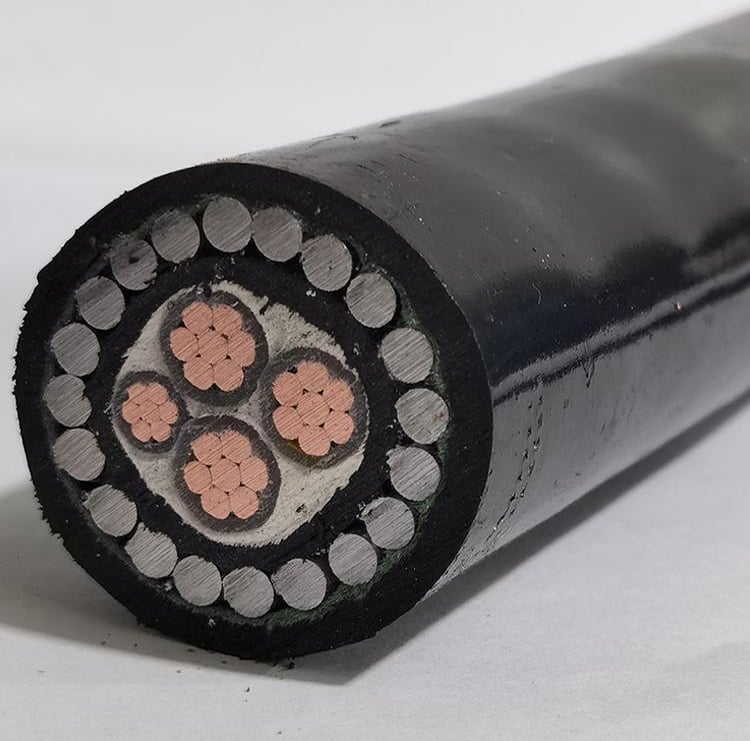
Steel Wire Armour (SWA) is constructed using a dense layer of galvanized steel wires wound helically around the inner extruded bedding layer. This design provides high tensile strength and excellent resistance to heavy crushing forces, making it well-suited for multi-core power circuits and control cables routed through high-risk environments. SWA cables can be laid across exposed overhead trays, pulled through winding concrete duct networks, or buried directly in soil containing crushed rocks without requiring additional protective conduit.
However, steel is a ferromagnetic material. When an alternating current (AC) flows through a single-core cable, it creates a continuously fluctuating magnetic field around that individual conductor. If that single core is wrapped in a magnetic material like steel wire armour, the changing magnetic field induces significant circular electric currents—known as eddy currents—within the armour layer itself. These induced currents cause magnetic hysteresis losses, which generate considerable heat inside the cable structure. This heating reduces the cable's effective current-carrying capacity, accelerates the thermal breakdown of the XLPE insulation, and can lead to early system failure.
To prevent these electromagnetic losses in single-core AC installations, Aluminium Wire Armour (AWA) is used. Aluminum is naturally non-magnetic. When a single-core cable utilizing AWA carries high-amperage AC loads, the magnetic field passes through the non-magnetic aluminum wires without creating large eddy currents or hysteresis losses. This keeps the cable structure cool, maintains optimal energy efficiency, and prevents thermal degradation under heavy electrical loads. While AWA provides a slightly lower absolute mechanical crushing resistance compared to heavy galvanized steel, it provides sufficient physical protection for single-core installations while eliminating dangerous electromagnetic heating risks.
7. Why AWA Matters for Single-Core AC
In large petrochemical refining complexes, high-power equipment—such as main medium-voltage compressor motors, high-volume crude oil transfer pumps, and primary substation transformers—requires significant current delivery. To handle these heavy electrical loads without needing excessively thick, rigid multi-core cables that are difficult to manage and install, engineering teams typically implement single-core cable distribution networks. These systems run individual phase conductors side-by-side to deliver high-amperage current efficiently.
As discussed, managing the fluctuating magnetic fields generated by high-amperage single-core AC lines requires careful material selection. Using a standard steel-armoured cable for a single-core AC circuit can quickly lead to operational problems:
High-Amperage Single-Core AC Current ──► Fluctuating Magnetic Field │ ┌──────────────────────────────────┴──────────────────────────────────┐ ▼ ▼ [ Ferromagnetic Steel Armour ] [ Non-Magnetic Aluminium Armour ] Creates Heavy Induced Eddy Currents Allows Magnetic Field to Pass Freely │ │ ▼ ▼ Rapid Heat Build-Up & Energy Loss Cool, Efficient Operation Maintained
This issue is particularly critical in the GCC region, where large single-core runs are widely used in primary industrial substations and process utility links. The high ambient temperatures in the region—often reaching up to 50°C—already reduce the natural thermal dissipation capacity of electrical cabling. If a single-core cable also generates internal heat from induced eddy currents within steel armour, the total thermal load can quickly exceed the 90°C continuous rating of the XLPE insulation. This causes rapid insulation degradation and increases the risk of a catastrophic phase-to-ground fault.
By specifying Aluminium Wire Armour (AWA) for all high-amperage single-core AC systems, project engineers can eliminate this internal heat source. The non-magnetic aluminum wire wrap prevents magnetic loop generation, keeping the cable operating within its safe thermal limits. This allows the system to maintain its full current-carrying capacity, ensuring safe and efficient power delivery through the large, high-exposure single-core circuits common across Middle Eastern industrial grids.
8. GCC Petrochemical Environment Challenges
Industrial infrastructure deployed within the GCC region operates under some of the most demanding environmental conditions in the world. Petrochemical complexes located in areas like Abu Dhabi, Eastern Saudi Arabia, and Qatar present unique challenges for electrical distribution systems, requiring careful material selection and robust cable designs.
┌────────────────────────────────────────────────────────────────────────┐ │ GCC ENVIRONMENTAL IMPACT │ ├───────────────────────┬───────────────────────┬────────────────────────┤ │ Extreme Heat │ Chemical Attacks │ Solar Radiation │ ├───────────────────────┼───────────────────────┼────────────────────────┤ │ Ambient air temp >50°C│ Hydrocarbon drips │ High-intensity UV ray │ │ Surface trays >75°C │ Chemical washdowns │ Photo-oxidation risk │ │ Speeds up aging │ Softens polymers │ Brittle outer sheaths │ └───────────────────────┴───────────────────────┴────────────────────────┘
High Ambient Temperatures and Thermal Loading
The high ambient temperatures in the region create a major challenge for industrial power cables. With summer air temperatures regularly exceeding 50°C, cables installed in open, unshaded pipe racks or overhead trays can experience surface temperatures over 75°C due to direct solar heating. This high baseline temperature limits the cable's natural ability to dissipate heat generated by internal electrical resistance, reducing its effective current capacity. If this factor is not accounted for during system design, the internal insulation can easily overheat, leading to premature aging and insulation failure.
Hydrocarbon and Chemical Exposure
Cables installed within active process blocks are regularly exposed to hydrocarbon vapors, oil drips, and chemical leaks. Standard PVC materials can absorb these industrial solvents over time, causing the outer jacket to swell, soften, and lose its mechanical strength. Once the protective outer sheath is compromised, moisture and corrosive chemicals can seep into the armour layer, accelerating corrosion and leading to electrical faults.
High Solar Radiation and UV Degradation
The high-intensity solar radiation common across the Middle East accelerates the aging of standard polymer compounds. Continuous UV exposure breaks down the molecular chains of standard plastics through photo-oxidation, leading to surface cracking, discoloration, and brittleness within a few seasons. Once the outer sheath cracks, it allows moisture, salt-laden air, and fine sand particles to enter the cable structure, increasing the risk of mechanical and electrical failure.
Fine Sand Abrasion and Marine Salt Air
Coastal petrochemical facilities face the combined challenges of blowing desert sand and highly corrosive marine air. High-velocity winds turn fine sand particles into an abrasive medium that can wear down exposed outer jackets over time. Additionally, the high salt content in coastal air accelerates the oxidation of exposed metals, making it essential to maintain a completely sealed, corrosion-resistant outer sheath to protect the underlying wire armour.
To address these conditions, manufacturers like Feichun use specialized, high-performance outer sheathing materials. By incorporating UV-stabilized pigments, advanced hydrocarbon-resistant polymers, and low-temperature stabilizers, these cables are engineered to maintain their flexibility, mechanical strength, and electrical integrity under the demanding environmental conditions of the GCC region.
9. Recommended Cable Choices for GCC Plants
To ensure long-term reliability and compliance with project requirements, engineering teams must match the specific operational environment of each zone within a petrochemical facility with the appropriate cable construction. Below are the recommended cable configurations for standard installations across GCC industrial networks:
General Low-Voltage Power and Auxiliary Distribution: For standard 0.6/1kV distribution runs along open trays, utility corridors, or direct burial paths where mechanical protection is required, XLPE/SWA/PVC cables built to BS 5467 are the standard choice. This multi-core configuration combines high-dielectric XLPE insulation with the high crushing resistance of galvanized steel wire armour, all protected by a robust, UV-stabilized PVC outer jacket.
High-Capacity Single-Core AC Power Feeds: For large single-core AC circuits delivering high current to primary substation boards or major process motors, XLPE/AWA/PVC or XLPE/AWA/LSZH configurations are recommended. The use of non-magnetic Aluminium Wire Armour (AWA) eliminates internal heat generation from induced eddy currents, while the choice of a low smoke zero halogen (LSZH) outer sheath provides an extra layer of fire safety in critical plant zones.
Safety-Critical and Enclosed Process Zones: In enclosed areas with high personnel presence or sensitive electronic control systems—such as control rooms, emergency shutdown centers, and enclosed compressor blocks—BS 7835 LSZH armoured cables should be specified instead of standard PVC variants. These cables use specialized non-halogenated polyolefin materials that emit minimal smoke and zero corrosive gases during a fire, helping to protect personnel and prevent damage to critical electronics.
Medium-Voltage Utility Links and Plant Feeds: For primary distribution networks operating between 6.6kV and 33kV, BS 6622 compliant medium-voltage cables provide a dependable solution. Built with a triple-extruded insulation screening system and robust wire armour, these cables are designed to handle high electrical loads while resisting the mechanical stresses of deep underground trenching or long exposed pipe rack runs.
10. Suggested Product Positioning
When preparing material submittals or reviewing procurement packages for major petrochemical expansions in the Middle East, it helps to view the product lineup as a structured tier system, balancing cost-effectiveness with performance for different areas of the plant:
Entry-Level Industrial Workhorse: XLPE/SWA/PVC (BS 5467 Multicore)
Application Scope: Used for general low-voltage power distribution, lighting grids, remote motorized valve controls, and auxiliary utility runs located in external open areas.
Value Profile: Provides a cost-effective solution with excellent mechanical protection and high physical durability where fire-induced smoke risks are not a primary concern.
Performance Single-Core Solution: XLPE/AWA/PVC (BS 5467 Single-Core)
Application Scope: Engineered for high-current low-voltage AC transformer connections and primary generator links routed through standard outdoor trenches or open-air trays.
Value Profile: Eliminates electromagnetic eddy-current losses to ensure cool, efficient power transmission under high ambient temperatures.
Mid-Tier Industrial Fire Safety: XLPE/SWA/LSZH (BS 6724 Multicore)
Application Scope: Used for multi-core control and low-voltage power distribution loops inside manufacturing shelters, analyzer sheds, and electrical walk-in modules.
Value Profile: Combines the high impact resistance of steel wire armour with low-smoke, non-toxic outer compounds, providing enhanced fire protection at a balanced cost point.
Premium High-Safety Specification: XLPE/AWA/LSZH (BS 7835 / High-Amp Specialty)
Application Scope: Designed for critical single-core AC installations inside main control facilities, centralized substation basements, and high-density process areas with strict safety requirements.
Value Profile: A premium cable design that provides excellent electrical efficiency by eliminating magnetic heating, while meeting strict safety standards for fire resistance, smoke reduction, and zero toxic gas emissions.
11. Installation Scenarios in Petrochemical Plants
To understand how these technical standards translate into field applications, we can examine typical installation scenarios found throughout modern petrochemical complexes:
Primary Substation-to-Process Power Links: These runs typically feature high-voltage lines routed along multi-tier overhead pipe rack systems exposed to full sunlight, or installed through extensive concrete-encased underground duct banks. Engineers select heavy-duty BS 6622 medium-voltage cables for these primary circuits, using AWA for single-core configurations to ensure efficient power transmission and high reliability.
Inter-Building Underground Utility Corridors: Power and control lines running between administrative facilities, maintenance hubs, and process blocks are often buried directly in soil or routed through trenches where they face high earth pressures and moisture exposure. Multi-core BS 5467 XLPE/SWA/PVC cables are well-suited for these routes, providing the mechanical strength to withstand ground settlement and protection against moisture infiltration.
Exposed Process Deck Pipe Rack Routing: Cables running along elevated outdoor trays are exposed to high ambient temperatures, direct solar radiation, and potential chemical exposure. For these runs, systems use cables with specialized UV-stabilized, hydrocarbon-resistant outer jackets to prevent material degradation and cracking over long-term exposure.
Safety-Critical Control and Instrumentation Areas: In centralized control rooms and near emergency shutdown systems, maintaining signal integrity and clear visibility during a fire is crucial. These zones use BS 7835 LSZH cables to ensure that if a localized fire occurs, smoke generation is kept to a minimum and no corrosive acid gases are released, protecting both personnel and sensitive electronics.
12. Conclusion
Building a reliable and safe electrical infrastructure for petrochemical facilities in the GCC region requires balancing electrical performance, mechanical durability, and environmental resistance. The demanding conditions of these plants—combining high ambient temperatures, chemical exposure, and mechanical stress—mean that selecting the correct cable specification is a critical factor in preventing unexpected operational downtime.
The British Standard framework provides a clear and proven methodology for meeting these challenges:
BS 5467 serves as a dependable low-voltage standard, providing the mechanical strength and durability needed for everyday fixed power distribution.
BS 6622 provides the specialized design and screening parameters required to manage medium-voltage power networks safely and efficiently.
BS 7835 delivers enhanced fire safety performance, utilizing low smoke zero halogen compounds to protect personnel and sensitive equipment in enclosed, critical zones.
Success in the field depends on matching the specific requirements of each application with the correct material selection—such as using Steel Wire Armour (SWA) for multi-core mechanical protection, or choosing Aluminium Wire Armour (AWA) to eliminate eddy-current heating in high-current single-core AC lines. By understanding these standard requirements and partnering with manufacturers like Feichun that produce certified, high-performance cables, engineering teams can build reliable electrical systems capable of performing safely in the most demanding industrial environments.
Port crane cables | Mining cables | Reeling cables | Trailing cables | Festoon cables | Heavy-duty power cables | Medium voltage cables | Offshore crane cables | Underground mining cables | Dragline cables | Shearer cables | Container handling cables | STS crane cables | RTG cables | Mobile equipment cables | Armored cables | Flexible power cables | VFD cables | Submersible cables | Cold resistant cables | Abrasion resistant cables | Flame retardant cables | Marine environment cables | Opencast mining | Underground operations
© 2006 All rights reserved.
[INDUSTRIAL_CABLES]
INDUSTRIAL GRADE CABLE SYSTEMS | PORT & MINING SOLUTIONS
TEL: +86 153 7530 2641 |MAIL: hongjing.Wang@feichuncables.com