High Temperature Cables for UAE: Withstanding 55°C+ Heat in Industrial
Discover high temperature cables engineered for UAE's extreme heat (45-55°C+). Compare silicone rubber, fiberglass braided, and fluoropolymer cables. Real case study from Dubai steel mill. Selection guide for oil, gas, and port operations.
hongjing.Wang@Feichun
4/29/202611 min read
Featured Answer: What Are High Temperature Cables?
High temperature cables are specialized electrical conductors engineered to withstand extreme heat environments beyond 150°C, with temperature ratings up to 200–250°C. In the UAE, where ambient temperatures reach 45–55°C combined with intense UV radiation and industrial heat sources, standard PVC cables (rated 70–90°C) fail prematurely. High temperature cables feature silicone rubber insulation, fiberglass braiding, or fluoropolymer coating to resist thermal degradation, maintain flexibility, and resist UV and ozone exposure. They are essential in steel mills, oil refineries, port crane systems, and solar installations across the region.
Introduction: Why UAE Needs Specialized High Temperature Cables
The Challenge: Extreme Heat Environment
MetricValueAmbient Temperature45–55°CStandard Cable Limit70–90°CHigh-Spec Cable Rating200°C+
The United Arab Emirates operates in one of the world's most challenging electrical environments. Ambient temperatures routinely exceed 45°C, climbing to 55°C or higher during peak summer months. When combined with intense UV radiation, airborne sand and dust, and industrial heat sources from steel mills, oil and gas facilities, and port operations, standard electrical cables simply cannot survive.
Standard PVC-insulated cables are rated for a maximum continuous operating temperature of 70–90°C. In UAE's industrial zones, actual cable surface temperatures often exceed 120–150°C due to solar heating, mechanical friction, and proximity to hot equipment. This temperature differential accelerates insulation degradation, leading to brittle cracking, insulation breakdown, electrical faults, and catastrophic equipment failures.
The Cost of Failure
When cables fail in industrial environments, downtime costs can exceed $50,000–$200,000 per day. Preventive investment in high-temperature cable infrastructure is a business-critical decision, not merely a compliance checkbox.
High temperature cables are purpose-engineered solutions that maintain electrical integrity and mechanical flexibility even under extreme thermal stress. Understanding the different types, their construction, performance characteristics, and real-world applications is essential for reliable industrial operations across the UAE.
Key Requirements for High Temperature Cables in UAE Operations
Before selecting a cable type, facility managers must understand the performance requirements that differentiate high-temperature cables from standard alternatives:
Temperature Rating (150°C / 180°C / 200°C+): Cables must maintain electrical properties and mechanical strength at sustained elevated temperatures. Higher ratings provide operational margin and extended service life.
UV and Ozone Resistance: Outdoor exposure to intense UV radiation and atmospheric ozone rapidly degrades standard insulation. Specialized materials resist photochemical degradation.
Flame Retardancy (IEC 60332 Compliance): Fire safety is non-negotiable in industrial settings. Cables must self-extinguish if exposed to flames and not support combustion.
Thermal Aging Resistance: Insulation must resist embrittlement, discoloration, and mechanical property loss during prolonged exposure to elevated temperatures.
Flexibility and Mechanical Durability: In dynamic applications like crane reels and moving machinery, cables must flex repeatedly without cracking or insulation separation.
Chemical Resistance: Industrial environments expose cables to oils, solvents, hydraulic fluids, and corrosive compounds. Insulation materials must resist chemical penetration.
Low Smoke and Halogen-Free (LSZH) Options: Modern industrial codes increasingly require fire-safe cables that emit minimal smoke and no corrosive halogen gases in a fire.
Common Types of High Temperature Cables
The market offers several high-temperature cable technologies, each optimized for different environmental and operational requirements:
1. Silicone Rubber Insulated Cable
Silicone rubber is an elastomer with exceptional thermal stability. It maintains flexibility across a wide temperature range and resists UV, ozone, and thermal aging. Silicone cables are the industry standard for applications requiring both high temperature performance and mechanical flexibility.
2. Fiberglass Braided High Temperature Cable
These cables combine silicone or PTFE insulation with an external fiberglass braid. The braid provides mechanical protection, spark resistance, and enhanced abrasion resistance. Fiberglass braided cables are preferred in extreme heat zones with additional mechanical hazards.
3. Fluoropolymer (FEP/PTFE) Cable
Fluoropolymers like FEP (fluorinated ethylene propylene) and PTFE (polytetrafluoroethylene) offer the highest temperature ratings (up to 250°C+) and superior chemical resistance. These materials are ideal for exceptionally harsh chemical environments but are less flexible than silicone alternatives.
4. Mica-Tape Wrapped High Temperature Cable
Mica tape wrapping provides additional fire protection and thermal insulation. Used in specialized applications where extreme fire safety is paramount.
Detailed Model Comparison: Silicone vs. Fiberglass Braided Cables
Two models dominate the UAE industrial market. Understanding their specific strengths helps match cable selection to operational requirements.
Model 1: Silicone Rubber Insulated Cable (180–200°C)
Temperature Rating: 180–200°C continuous; short-term exposure to 220°C
Construction
Fine-stranded tinned copper conductor (typically 0.5–10 mm²) wrapped in premium-grade silicone rubber insulation, typically 1–3 mm thickness. Some variants include a silicone-impregnated fabric outer layer for enhanced abrasion resistance.
Key Features
Temperature Capability: 180–200°C continuous; short-term exposure to 220°C
Exceptional flexibility: Bends and reels without cracking
UV and ozone resistant across 5+ years of outdoor exposure
Low modulus (soft, supple feel) simplifies installation
Multiple conductor configurations available (single, multi-core, shielded)
IEC 60332-1 flame retardant (low smoke)
Typical Applications
Crane reeling systems and hoist machinery
Moving and dynamic wiring in steel mills
Furnace control and monitoring circuits
Welding equipment secondary circuits
Solar inverter and controller wiring
Oil refinery pump motor circuits
Model 2: Fiberglass Braided High Temperature Cable (200–250°C)
Temperature Rating: 200–250°C continuous operation
Construction
Inner core: premium silicone rubber or PTFE insulation. Outer layer: tightly woven fiberglass braid, sometimes impregnated with silicone resin for additional protection. Conductor: fine-stranded, nickel-plated or tinned copper for corrosion resistance in harsh environments.
Key Features
Temperature Rating: 200–250°C continuous operation
Superior mechanical strength: Resists abrasion, cuts, and sparks
Fiberglass braid provides thermal insulation and fire barrier
Excellent resistance to oils, cooling fluids, and molten splashes
Higher tensile strength suitable for permanent outdoor installations
IEC 60332-1 flame retardant with enhanced fire performance
Lower flexibility than silicone cable (less suitable for dynamic reeling)
Typical Applications
Steel mill furnace electrode leads and heating circuits
High-temperature zone wiring near furnaces (within 3–5 meters)
Welding equipment primary and secondary circuits
Port crane festoon systems (overhead permanent installations)
Stationary industrial heating equipment
Thermal processing and annealing furnace controls
Quick Selection Summary
Choose Based on Your Primary Application Requirement
Need Flexibility for Dynamic Movement? → Silicone Rubber Insulated Cable (180–200°C) is your choice. It withstands repeated bending and reeling without insulation separation.
Extreme Heat + Mechanical Stress? → Fiberglass Braided Cable (200–250°C) provides superior protection and durability for permanent, high-stress installations near furnaces and intense heat sources.
Chemical Exposure (Oils, Solvents, Corrosive Fluids)? → FEP/PTFE Cable (up to 260°C) offers the best chemical resistance, though with reduced flexibility.
Maximum Fire Safety Priority? → Mica-Tape Wrapped Cable (200°C+) with halogen-free insulation meets the strictest fire codes in modern facilities.
Real-World Case Study: High Temperature Cable Application in UAE Steel Manufacturing
Dubai Steel Mill Furnace Upgrade Project
Facility: A major steel production facility in Jebel Ali, Dubai, with induction furnaces operating continuously at 1,400°C internal temperatures and ambient external temperatures of 48–55°C.
Challenge: The facility's original PVC-insulated cables, rated 90°C, were failing approximately every 18–24 months. Furnace electrode lead cables were cracking within 6 months. Emergency replacements caused production downtime averaging 8–12 hours per failure, costing approximately $120,000 per incident. Annual cable replacement and downtime losses exceeded $500,000.
Installation Details
Cable Type Specified: Silicone rubber insulated cable (2.5–10 mm² conductors), temperature-rated 200°C, with UV-resistant outer sheath.
Quantity:
450 meters of primary furnace electrode leads
650 meters of secondary control and sensing circuits
Installation: Permanent routing in cable trays with thermal barriers positioned 2–3 meters from furnace exterior surfaces.
Results Achieved
Service Life: After 3 years of continuous operation, cables show no visible degradation, with insulation integrity verified through periodic megohm resistance testing.
Cost Savings: Elimination of emergency replacement protocols; one planned maintenance cable inspection per 18 months (vs. monthly emergencies).
Downtime Reduction: Zero unplanned cable failures; annual production loss from cable-related incidents reduced to zero.
Financial Impact
Initial Investment: AED 145,000 (USD ~39,500) for premium high-temperature cables and professional installation.
Year 1 Savings: AED 480,000 (eliminated emergency replacements and downtime costs).
Three-Year ROI: Payback achieved in first 4 months; cumulative three-year savings: AED 1,320,000 (USD ~360,000). Additional benefit: improved product quality consistency due to eliminated thermal electrical fluctuations.
Key Lesson: The premium cost of high-temperature cables (typically 2.5–3.5× standard cable cost) is recovered within months through elimination of emergency maintenance and production downtime in continuous-operation facilities.
High Temperature Cable Applications Across UAE Industries
Steel & Metallurgy
Steel mills in Jebel Ali, Al Quoz, and other industrial zones operate induction furnaces, electric arc furnaces, and continuous casting equipment. Electrode leads, heating circuits, and control wiring must withstand thermal radiation, mechanical vibration, and frequent electrical spikes. Fiberglass braided 200–250°C cables are the standard in these facilities.
Oil & Gas Refineries
Refineries in Ruwais, Jebel Ali, and other locations employ high-temperature processing equipment, catalytic reactors, and heating systems. Cables must resist not only extreme heat but also exposure to hydrocarbon vapors, hydrogen sulfide, and other corrosive compounds. Chemical-resistant PTFE/FEP cables rated 220–260°C are preferred, with silicone rubber cables as secondary-circuit alternatives.
Port Crane Systems
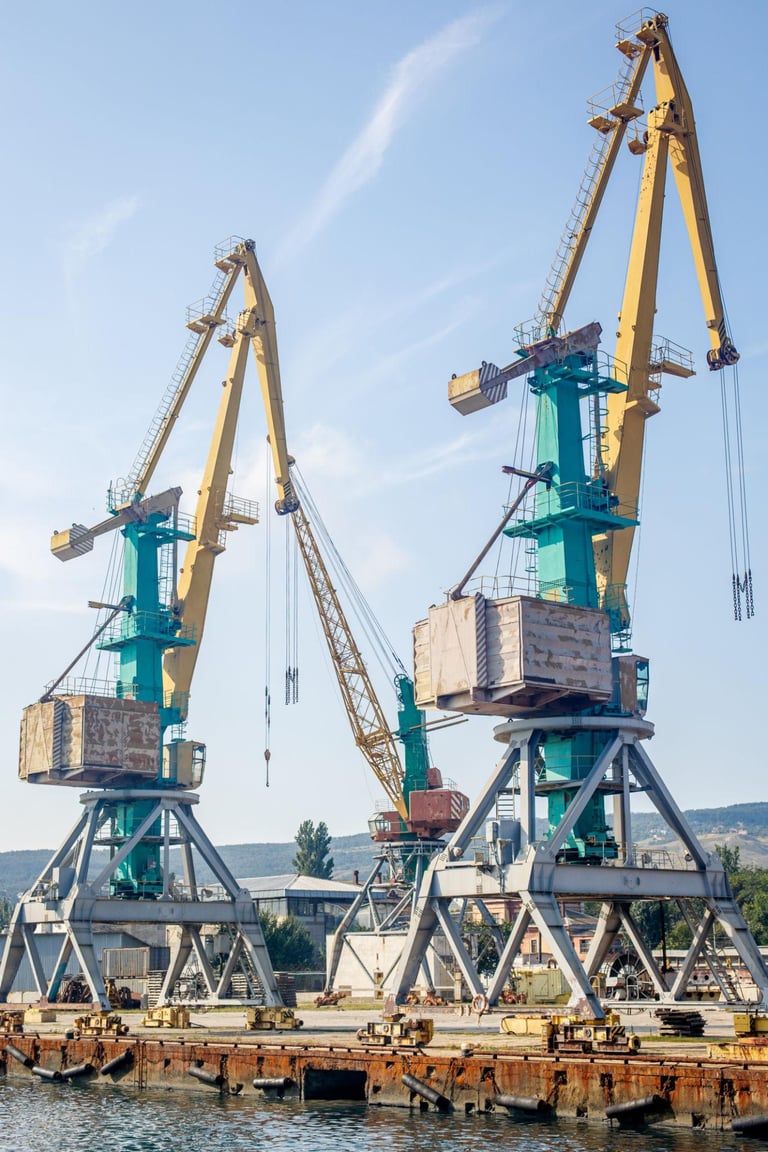
Festoon cable systems on port cranes in Jebel Ali, Port Rashid, and Khalifa ports experience both thermal stress from solar heating (cable surface temperatures exceed 70°C in direct sunlight) and mechanical stress from constant motion. Silicone rubber cables with UV-resistant outer sheaths, rated 180–200°C, are ideal for these dynamic applications.
Solar Power Plants
Large solar installations in Noor Abu Dhabi, Al Dhafra, and other UAE solar parks expose cables to extreme solar heating. DC and AC wiring connecting inverters, transformers, and the grid experiences cable surface temperatures of 80–120°C even in standard operating conditions. High-temperature cables extend system reliability and reduce maintenance frequency.
Desalination Facilities
Multi-effect distillation and reverse osmosis plants expose electrical systems to thermal stress, saltwater spray, and corrosive steam environments. High-temperature cables with superior chemical resistance are essential in these facilities.
Frequently Asked Questions About High Temperature Cables for UAE Applications
Q1: What is the difference between 180°C, 200°C, and 250°C rated cables?
The temperature rating indicates the maximum sustained operating temperature at which the cable maintains electrical and mechanical properties within acceptable tolerance. A 180°C-rated cable can continuously operate at 180°C without insulation degradation. At 200°C, degradation accelerates and service life is reduced.
Most UAE industrial applications operate within the 180–200°C range, where silicone rubber performs excellently. The 250°C rating is reserved for extreme applications (like some furnace electrode leads) and typically uses PTFE insulation, which is stiffer and more expensive.
Best Practice: Specify the minimum temperature rating necessary for your application; higher ratings increase cost without additional benefit if actual operating temperatures are lower.
Q2: Are high temperature cables resistant to UV radiation?
Yes, but with important caveats. Silicone rubber and PTFE are inherently more UV-resistant than PVC, but outdoor exposure still requires protective measures.
Premium high-temperature cables are typically supplied with UV-resistant outer sheaths (carbon black or special pigment additives). However, for outdoor applications exceeding 2–3 years, we recommend additional protection: cable trays with sun shades, cable conduit, or surface-applied UV-blocking paint.
The Dubai steel mill case study used cables with UV-resistant sheaths positioned in shaded cable trays, achieving excellent longevity. In Noor Abu Dhabi solar plants, cables are routed through underground conduit and protected by solar panel canopies.
Q3: Can I use high temperature cables for standard low-heat applications?
Technically yes, but it's generally not cost-effective. High-temperature cables cost 2.5–4× more than standard cables. If your application genuinely operates at normal room temperature (20–40°C), standard cables are appropriate.
However, if there's any possibility of future heat exposure, mechanical stress, or harsh environment, the small premium for high-temperature cables provides insurance against premature failure. Many facility managers adopt a "preventive investment" strategy: high-temperature cables in all industrial zones, and standard cables only in controlled office and low-stress environments. This simplifies inventory management and eliminates the risk of inadvertent cable misspecification.
Q4: What certifications and standards should I verify before purchasing?
Key international standards include:
IEC 60811: Insulation and sheath thickness
IEC 60332-1: Flame retardancy
IEC 60811-2-1: Silicone rubber properties
IEC 60245: General specifications
For UAE-imported cables, verify compliance with GSO (Gulf Standardization Organization) standards. UL (Underwriters Laboratories) or CE (European Conformity) certification is valuable for cables sold into international contexts.
Most reputable suppliers provide third-party test reports confirming temperature rating, insulation breakdown voltage, tensile strength, and elongation after aging. Request these reports; they provide objective evidence of quality and help you make risk-informed purchasing decisions. The premium cost of certified cables is typically recovered through improved reliability and reduced warranty claims.
Q5: How do I estimate the lifespan of a high temperature cable in UAE conditions?
Cable lifespan is governed by the Arrhenius equation, which models how temperature accelerates chemical degradation. For every 10°C increase in operating temperature, insulation degradation rate roughly doubles.
A cable rated 200°C and operating continuously at 200°C in laboratory conditions has a lifespan of roughly 5–7 years. The same cable operating at 150°C (a 50°C margin) might achieve 15–20 years.
The Dubai steel mill case study achieved 3+ years of failure-free operation by using cables rated 200°C in a 120–140°C thermal environment—a reasonable operational margin.
Best Practice: Choose cables with a temperature margin of at least 30–50°C above your worst-case operating temperature. In the UAE, where ambient temperatures reach 55°C and industrial surfaces can reach 100–150°C, a cable rated 200°C provides good operational margin and service life of 5–7 years in continuous operation.
Q6: What are LSZH cables, and are they required in UAE industrial installations?
LSZH stands for "Low Smoke, Zero Halogen." These cables emit minimal smoke and release no corrosive halogen gases (which produce hydrochloric acid fumes) if exposed to fire.
LSZH insulation is required by modern building codes in enclosed spaces (data centers, hospitals, confined industrial zones) where smoke inhalation and acid corrosion are critical safety concerns.
In UAE facilities, LSZH is increasingly specified in new projects and retrofits, particularly in oil and gas operations where enclosed spaces and personnel safety are paramount. Cost premium: 15–25% above standard flame-retardant cables.
Recommendation: If your facility is subject to strict fire code compliance or contains personnel in enclosed areas, specify LSZH. For outdoor and well-ventilated industrial zones, standard flame-retardant high-temperature cables may be acceptable, but many facilities now standardize on LSZH to simplify inventory and ensure consistent safety performance.
Practical Selection Guide for UAE Industrial Environments
Step 1: Assess Actual Operating Temperature
Identify the highest temperature the cable will experience under normal operating conditions. This includes ambient temperature, solar heating (if outdoor), proximity to heat sources, and I²R heating from electrical current flow. Add a 30–50°C safety margin to account for worst-case scenarios and ensure longevity.
Step 2: Identify Mechanical and Environmental Stressors
Will the cable flex repeatedly (choose silicone)? Face abrasion or sparks (choose fiberglass braided)? Contact oils or solvents (choose PTFE)? Be exposed to intense UV (specify UV-resistant sheath)? Each factor influences cable selection.
Step 3: Verify Fire Safety Requirements
Determine whether your installation requires flame-retardant or LSZH compliance. Modern industrial codes increasingly demand LSZH in enclosed spaces. Confirm requirements with your facility engineer and local fire marshal.
Step 4: Calculate Total Cost of Ownership
Compare the upfront cable cost against the cost of unplanned failures (emergency replacement labor, production downtime, potential safety incidents). In most UAE industrial facilities, premium high-temperature cables pay for themselves within 6–18 months through elimination of emergency maintenance.
Step 5: Select from Reputable Certified Suppliers
Partner with distributors who provide third-party test certificates, temperature tracking documentation, and technical support. Building a trusted supplier relationship ensures consistent quality and simplifies troubleshooting if issues arise.
Conclusion: Making the Right Cable Choice for UAE Industrial Success
The UAE's extreme thermal and environmental conditions demand cable infrastructure engineered specifically for these challenges. Standard PVC cables, rated 70–90°C, simply cannot survive sustained exposure to 120–150°C surface temperatures and intense UV radiation.
High-temperature cables—whether silicone rubber (180–200°C) for flexible dynamic applications or fiberglass braided (200–250°C) for extreme static environments—provide the thermal stability, mechanical durability, and environmental resistance necessary for reliable industrial operations.
Key Takeaways:
✓ Choose silicone rubber insulated cables for applications requiring flexibility (cranes, reeling systems, moving machinery)
✓ Choose fiberglass braided cables for extreme heat zones near furnaces and for maximum mechanical protection
✓ Always specify cables with 30–50°C thermal margin above worst-case operating temperature
✓ Invest in LSZH (low smoke, zero halogen) for enclosed industrial spaces and facilities with strict fire codes
✓ Request third-party test certificates verifying temperature rating, insulation integrity, and flame retardancy
✓ Calculate total cost of ownership: premium cable investment typically pays for itself within 6–18 months through elimination of emergency maintenance and production downtime
✓ Partner with reputable, certified suppliers who provide technical support and documentation
The Financial Case
The Dubai steel mill case study demonstrates the real-world impact: a AED 145,000 investment in proper cable infrastructure generated AED 1.32 million in cost savings over three years—a 9× return on investment. More importantly, it eliminated the operational uncertainty, safety risks, and production unpredictability associated with cable failures.
For industrial facilities across the UAE, choosing the right high-temperature cables is not a cost-cutting decision—it's a business continuity and safety strategy. The modest premium for engineering-grade cables is recovered many times over through improved reliability, reduced downtime, and peace of mind knowing your electrical infrastructure can withstand the region's most extreme conditions.
Additional Resources
Standards and Certifications to Verify
IEC 60811: Insulation and sheath thickness specifications
IEC 60332-1: Fire performance requirements
IEC 60245: General specifications for electrical cables
GSO (Gulf Standardization Organization): Regional compliance
UL (Underwriters Laboratories): International safety certification
CE Marking: European Conformity
Typical Supplier Questions
Can you provide third-party test certificates for temperature rating?
What is the cable's thermal aging resistance (per IEC 60811)?
Do you offer LSZH variants for fire-sensitive applications?
What warranty period do you provide for continuous-operation industrial environments?
Can you provide references from similar UAE industrial facilities?
Port crane cables | Mining cables | Reeling cables | Trailing cables | Festoon cables | Heavy-duty power cables | Medium voltage cables | Offshore crane cables | Underground mining cables | Dragline cables | Shearer cables | Container handling cables | STS crane cables | RTG cables | Mobile equipment cables | Armored cables | Flexible power cables | VFD cables | Submersible cables | Cold resistant cables | Abrasion resistant cables | Flame retardant cables | Marine environment cables | Opencast mining | Underground operations
© 2006 All rights reserved.
[INDUSTRIAL_CABLES]
INDUSTRIAL GRADE CABLE SYSTEMS | PORT & MINING SOLUTIONS
TEL: +86 153 7530 2641 |MAIL: hongjing.Wang@feichuncables.com