High-Temperature Reeling Cables for Port Cranes in the Middle East: A Practical Guide for UAE and Gulf Ports
High-temperature reeling cables designed for UAE and Gulf port cranes, built to withstand desert heat, UV exposure, and continuous drum operation in RTG, STS, and ship unloader systems.
hongjing.Wang@Feichun
7/6/202616 min read
1. Introduction
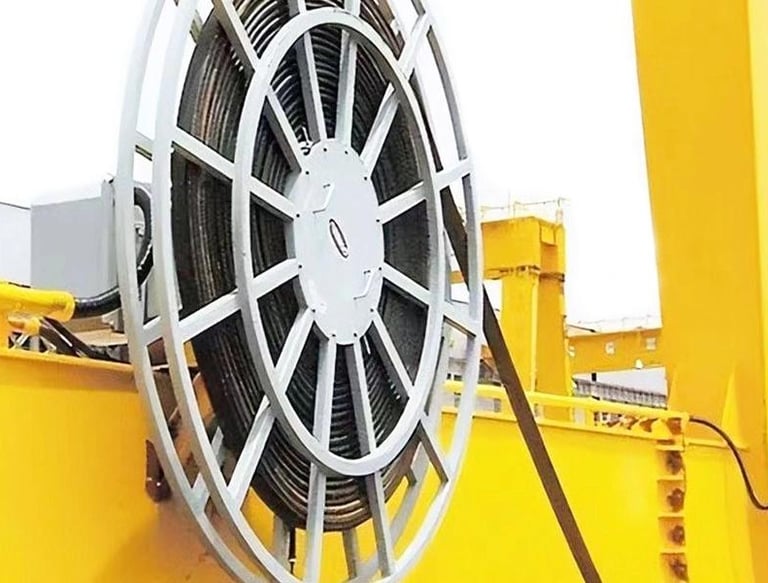
The maritime hubs of the Middle East, particularly across the United Arab Emirates and the broader Gulf Cooperation Council region, serve as the vital economic intersections of global trade. Ports such as Jebel Ali in Dubai, Khalifa Port in Abu Dhabi, and King Abdulaziz Port in Dammam process millions of twenty-foot equivalent units annually, operating on an uninterrupted, around-the-clock basis. Within these sprawling marine terminals, mega-structures like Ship-to-Shore cranes, Rail-Mounted Gantry cranes, and Rubber-Tired Gantry cranes handle heavy-duty loading and unloading cycles under immense logistical pressure. The lifeblood of these massive handling systems is the heavy-duty motorized reeling cable—a highly specialized component tasked with transmitting medium-voltage electrical power, control signals, and fiber-optic data while wound tightly onto high-speed motorized reels.
Unlike standard industrial infrastructure, a Port Crane Cable operating in the Gulf must withstand a combination of environmental and mechanical stresses. The regional climate subjects equipment to severe solar radiation and extreme heat, while the operational realities require continuous, rapid winding and unwinding over extended duty cycles. When an STS crane or a high-capacity ship unloader experiences an electrical breakdown due to cable failure, the financial consequences are immediate. Demurrage fees, disrupted shipping schedules, and expedited maintenance costs can accumulate rapidly. For port engineering departments, asset management teams, and technical procurement specialists in the UAE and wider Gulf, understanding the interaction between high-temperature cable chemistry and dynamic mechanical fatigue is not merely a matter of routine compliance; it is a critical strategy for preserving terminal productivity and maintaining logistical throughput.
2. Harsh Operating Environment in Gulf Ports
To appreciate the engineering rigor required for a high-temperature drum cable in Middle Eastern maritime environments, one must look closely at the coastal microclimates of the Gulf. During peak summer months, ambient temperatures across coastal cities in the UAE regularly hover between 45°C and 55°C. However, ambient air temperature is only a baseline metric. When industrial equipment is exposed to direct, unshaded solar radiation for ten to twelve hours a day, localized thermal conditions escalate dramatically. Dark-colored or rubber-jacketed cables wound onto steel motorized reels absorb immense amounts of radiant energy. Consequently, the actual exposed surface temperature of a reeling cable can rise to between 70°C and 85°C.
This thermal stress is compounded by the enclosed, multi-layered geometry of a motorized cable drum. When a cable is fully or partially wrapped around itself in multiple layers on a spool, it encounters severe heat dissipation limits. The internal layers are insulated by the outer layers, trapping both the ambient heat and the internal joule heating generated by high electrical current loads passing through the copper conductors. In major regional terminals like Jebel Ali Port, these high surface temperatures do not occur in isolation; they occur simultaneously with intense mechanical stress.
Furthermore, port handling systems are subject to continuous, rapid acceleration and deceleration cycles. Reeling drums operate almost non-stop to keep up with the quick turnover times of modern container vessels. The constant friction of the cable passing through guiding rollers, combined with the pressure of multi-layer winding, generates continuous internal friction. This mechanical work, paired with the external solar load, creates a severe thermal-mechanical environment that rapidly degrades standard commercial materials.
3. Why Standard Cables Fail in Desert Port Conditions
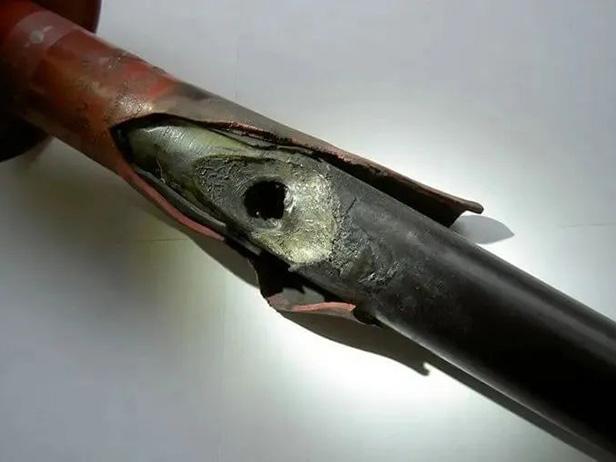
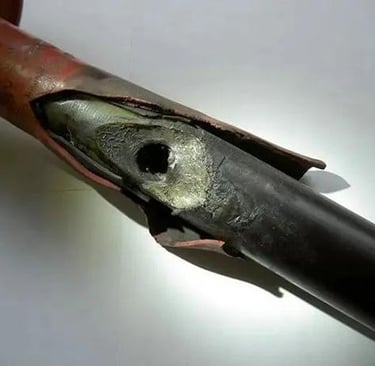
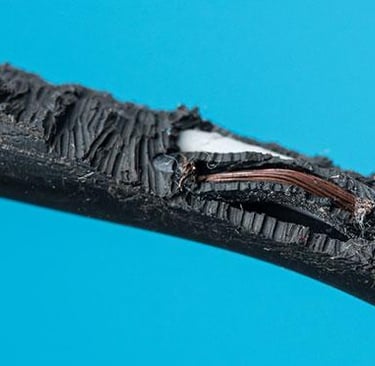
When standard flexible cables or general-purpose trailing cables are deployed in the intense conditions of desert ports, material degradation occurs along predictable, destructive pathways. Standard flexible jackets, typically formulated from standard polyurethane or basic rubber compounds, lose their structural integrity when subjected to surface temperatures exceeding 70°C. Under these conditions, the polymer chains begin to relax, causing the jacket to soften and lose its tensile strength. As a result, the outer sheath can become tacky or adhesive. When wrapped tightly under tension onto a multi-layer drum, the adjacent cable wraps can stick to one another. As the drum reverses to unwind, this thermal sticking forces the motorized reel to pull against the adhered jacket surfaces, resulting in surface tearing, micro-fracturing, and localized sheath deformation.
[Extreme Solar Radiation + Joule Heating]
│
▼
[Jacket Softening & Relaxation]
│
▼
[Inter-layer Tacky Adhesion (Sticking)]
│
▼
[Mechanical Unwinding Tension -> Surface Tearing]
Simultaneously, the continuous mechanical winding and unwinding cycles under high tension apply severe internal stresses to the cable's core structure. When the outer jacket is softened by heat, it can no longer provide stable structural counter-pressure to the insulated conductors inside. The internal conductors begin to twist, shift, and migrate within the softened jacket, a phenomenon often referred to as "corkscrewing." This migration concentrates mechanical stresses on specific sections of the insulation layer, leading to insulation stress cracking.
Additionally, the abrasive airborne dust and fine marine sands common in the Gulf region act as an aggressive abrasive medium. When a softened, tacky cable jacket drags through sand-dusted guide rollers and directional sheaves, the fine particulates become embedded in the sheath, accelerating surface abrasion. These combined failure modes lead to jacket breaches, insulation breakdown, and phase-to-earth electrical faults. The resulting crane downtime directly impacts port operations, requiring costly emergency cable splices or complete cable replacements that disrupt terminal efficiency.
4. Cable Construction Requirements for High-Temperature Reeling
To survive the combination of mechanical tension, rapid bending, and intense thermal loads, a high-temperature cable must feature a specialized multi-layer construction. Every layer of the cable must be engineered to maintain its physical properties at elevated temperatures while distributing mechanical loads effectively.
Conductor Flexibility and Strand Geometry
At the center of the cable are the power and control conductors, which must handle continuous bending and high-speed reeling. These conductors are typically made of Class 5 or Class 6 fine-stranded flexible copper, in accordance with international standards. Class 5 conductors utilize tightly bunched, small-diameter wires to achieve high flexibility, while Class 6 features even finer individual strands for maximum dynamic performance. For applications in coastal environments, these copper strands are often tinned. Tinning provides an essential layer of protection against electrochemical corrosion caused by salt-laden marine air and high humidity, preventing copper oxidation that can increase electrical resistance and generate localized hot spots.
Insulation and Inner Sheath Systems
Surrounding the flexible conductors is a high-temperature insulation layer, typically made from chemically cross-linked compounds like Ethylene Propylene Rubber (EPR) or specialized cross-linked polyethylene. These materials maintain stable dielectric properties and structural form at continuous conductor operating temperatures of 90°C or higher. Directly over the insulated cores, an inner sheath is extruded. This layer acts as a mechanical bed, filling the gaps between the conductors and securing them in a balanced helical layout. The inner jacket must also resist thermal deformation, ensuring that the internal components stay properly positioned even when the cable is wound under tension at high temperatures.
Anti-Torsion Reinforcement and Outer Jacket Integration
A critical component in any heavy-duty crane reeling cable is the anti-torsion reinforcement element. This layer typically consists of a high-tensile braid made of aramid fibers (such as Kevlar) or high-strength polyester threads, integrated between the inner and outer sheaths. This braided matrix absorbs the heavy tensile loads applied during high-speed reeling and counteracts the rotational forces that cause twisting and corkscrewing.
Finally, the outer jacket serves as the primary shield against the external environment. This outer layer must be extruded as a dense, tough barrier that resists abrasion, tearing, and cutting, while remaining stable under continuous UV exposure and chemical contact. The entire multi-layer assembly must function as a single, cohesive unit, balancing structural stiffness with the flexibility needed for smooth operation on motorized reel systems.
5. Suitable Materials for Desert Port Reeling Cables
The selection of the compounding materials for the outer jacket is the most critical decision when engineering a high-temperature cable for Gulf port environments. Standard polymers fail quickly under intense solar radiation, making custom-formulated elastomeric and thermoplastic compounds essential.
EPDM and Modified Rubber Compounds
Ethylene Propylene Diene Monomer (EPDM) and specialized modified rubber compounds are highly effective options for high-temperature outer jackets. EPDM features a fully saturated polymer backbone, which provides excellent resistance to oxygen, ozone, and intense UV radiation. It maintains its structural stability and flexibility across a wide temperature range, resisting softening even when surface temperatures approach 90°C. Modified rubber compounds, which blend synthetic elastomers with stabilizing additives, offer high structural resilience and resistance to compression set. This ensures the cable maintains its round shape and resists flat spots when wrapped tightly under tension on a multi-layer drum.
Chlorosulfonated Polyethylene (CSM) and Chlorinated Polyethylene (CPE)
Chlorinated elastomers like CPE and specialized CSM compounds provide excellent mechanical toughness and chemical resistance. The inclusion of chlorine within the molecular structure gives these materials natural flame-retardant properties and resistance to oils, greases, and hydraulic fluids commonly found around port machinery. CPE jackets maintain excellent tensile strength and tearing resistance at elevated temperatures, making them well-suited for heavy-duty applications where cables are pulled through guide systems and across concrete surfaces.
High-Temperature Polyurethane (PUR)
For applications that require high winding speeds and compact cable diameters, high-temperature polyurethane (PUR) compounds offer distinct performance advantages. PUR is a thermoplastic elastomer known for its exceptional abrasion resistance and tensile strength. Standard PUR can soften in extreme heat, but advanced high-temperature PUR formulations use cross-linked or structurally modified polymer chains to raise their softening point. This allows the material to retain its high mechanical strength, cut resistance, and flexibility even when exposed to high surface temperatures under direct sunlight.
The Role of Non-Migrating Plasticizers
A key factor in the long-term reliability of these jacket materials is the use of non-migrating plasticizers. Plasticizers are chemical additives incorporated into polymer blends to improve flexibility and processing characteristics. In standard compounds, high temperatures cause these small molecules to migrate to the surface of the jacket—a process known as plasticizer migration or "sheath bleeding." This creates a sticky, tacky layer on the outside of the cable that attracts sand and dust, while leaving the underlying jacket brittle and prone to cracking.
High-temperature cables for Middle Eastern ports must utilize high-molecular-weight, non-migrating plasticizers or polymeric modifiers that remain chemically locked within the elastomer matrix. This prevents sheath bleeding and ensures the outer jacket maintains its smooth surface, flexibility, and physical properties over years of high-temperature service.
6. Key Performance Parameters
When technical procurement teams and electrical engineers review specifications for high-temperature reeling cables, they must evaluate a series of key performance parameters to ensure suitability for Gulf port environments.
Continuous Operating Temperature Ratings
The primary thermal specification to check is the maximum continuous conductor operating temperature. Standard industrial cables are often rated for 70°C or 90°C under normal conditions. However, for desert port applications, the cable compound should be specified for a continuous operating temperature of 90°C or 105°C. This higher rating provides an essential thermal safety margin, allowing the cable to handle internal joule heating from heavy electrical currents while exposed to high ambient temperatures and restricted heat dissipation on a multi-layer reel.
UV and Chemical Resistance
Cables must be explicitly rated for long-term UV resistance according to international test standards, such as EN 50289-4-17 or ISO 4892-2. This testing ensures the jacket material can withstand intense solar radiation without micro-cracking or losing its tensile strength. Additionally, the outer sheath must feature high oil and chemical resistance (often tested against IEC 60811-404). This prevents structural degradation when the cable comes into contact with lubricants, gear oils, and anti-corrosion coatings used on port crane structures.
Dynamic Bending Radii and Mechanical Limits
The mechanical limits of the cable are defined by its minimum allowable bending radius under both static and dynamic operating conditions. For motorized reel applications, the dynamic bending radius is typically specified as a multiple of the overall cable diameter, such as 6 to 8 times the diameter for flexible PUR and 10 to 12 times for heavy rubber compounds. Adhering to these minimum radii prevents excessive bending stress on the internal conductors and shielding layers.
Furthermore, the cable specification must define the maximum permissible tensile load, usually expressed in Newtons per square millimeter of total copper cross-section. This ensures the integrated aramid reinforcement can support the structural weight and dynamic tension of the cable during rapid acceleration.
Reeling Speed and Acceleration Capabilities
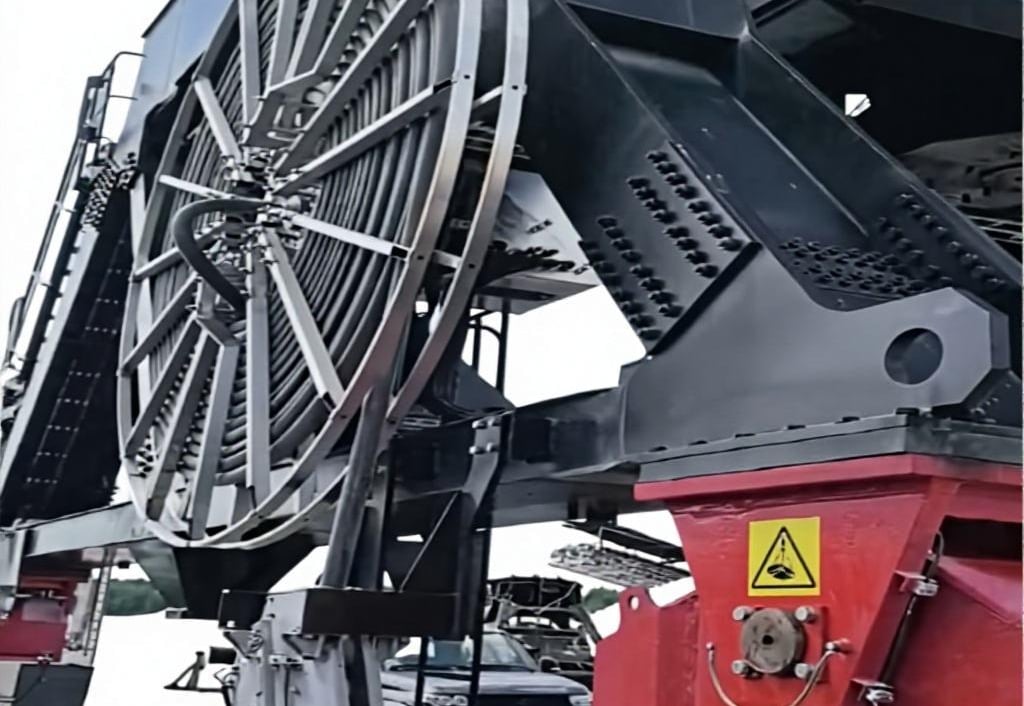
Modern container terminals use high-speed cranes to optimize ship turnaround times. Reeling cables must be rated for the maximum operating speeds and accelerations of the specific crane system. For high-performance STS cranes, cables often need to handle horizontal reeling speeds of 120 to 180 meters per minute, along with rapid acceleration rates. The cable must be engineered to withstand the instantaneous mechanical tension experienced when the motorized reel accelerates to match the movement of the crane trolley, ensuring stable operation without stretching or twisting the internal components.
7. Typical Cable Types and Model Families
To aid engineers and technical buyers in identifying appropriate options, it is helpful to look at established international cable model families designed for these heavy-duty applications. These model classifications provide a reference for specific voltage ratings, material structures, and mechanical capabilities.
(N)TSCGEWOEU: Medium-Voltage Reeling Applications
The (N)TSCGEWOEU model family represents a widely utilized standard for medium-voltage motorized reeling applications, particularly on high-speed Ship-to-Shore cranes and large bulk ship unloaders. Typically rated for voltages from 6/10 kV up to 12/20 kV, these cables feature a robust rubber-insulated and rubber-jacketed construction. They are engineered with tinned Class 5 copper conductors, internal and external semi-conductive layers for electrical field smoothing, and an EPDM-based insulation system. The inner and outer sheaths are made from high-grade synthetic rubber compounds, integrated with a heavy-duty aramid anti-torsion braid. This structural design enables the cable to handle high tensile forces and rapid winding speeds while maintaining its round shape and electrical stability at elevated temperatures.
PUR-HF Trommel / Drum Reeling Cable
The PUR-HF Trommel family represents a high-performance option that utilizes a halogen-free, high-temperature polyurethane outer jacket. These cables are designed for applications requiring a combination of high flexibility, reduced weight, and exceptional abrasion resistance. The specialized PUR formulation is chemically adjusted to maintain its structural strength and resist softening at high temperatures. With a smaller outer diameter and lower weight per meter than equivalent rubber options, PUR-HF cables reduce the mechanical load on the reel drive motors. They are commonly used on high-speed trolley reels and RTG cranes where space is limited and protection against sharp edges or concrete abrasion is critical.
TRA-RF / VRDB Vertical Reel Cables
For vertical reeling applications—such as the gravity-fed spreader cable reels on STS cranes—the TRA-RF and VRDB model families offer tailored engineering solutions. Vertical reeling subjects cables to continuous, severe tensile stress from the suspended weight of the cable itself, along with rapid vertical acceleration and deceleration. These cable types feature a center strain-relief element, typically a high-modulus aramid fiber core, around which the power and control conductors are laid in a balanced configuration. The outer jacket is formulated from high-temperature sampled rubber or modified polyurethane that resists stretching and maintains a high coefficient of friction against guide sheaves, preventing slipping and uneven winding.
Böhmflex PUR-R Heavy-Duty Reeling Family
The Böhmflex PUR-R family represents a highly flexible option designed for demanding mechanical duty cycles. These cables utilize a finely stranded conductor structure wrapped in low-friction separating tapes, allowing the internal components to slide smoothly against one another during tight bending. The outer jacket is made from a customized, wear-resistant polyurethane compound that resists cutting, tearing, and environmental cracking under intense UV exposure. This family is frequently selected for medium-speed motorized reels, field conveyors, and material handling systems where reliable performance under continuous movement and hot outdoor conditions is required.
8. Port Crane Applications
High-temperature reeling cables are deployed across several distinct types of port machinery, with each application presenting unique mechanical and electrical demands.
Ship-to-Shore (STS) Cranes
Ship-to-Shore cranes are the largest and most critical assets in a container terminal. The main power supply to an STS crane is typically delivered via a medium-voltage reeling cable (ranging from 6/10 kV to 12/20 kV) running along the pier. This cable must handle long travel distances, often extending hundreds of meters, and wind smoothly at speeds up to 180 meters per minute. Additionally, STS cranes utilize low-voltage control and fiber-optic reeling cables on the trolley and spreader systems. These cables must operate reliably in continuous motion, managing high-speed data transmission for automated positioning systems while exposed to direct sunlight and salt spray at the top of the crane structure.
Rubber-Tired Gantry (RTG) and Rail-Mounted Gantry (RMG) Cranes
In the container storage yards, RTG and RMG cranes manage container stacking and truck loading operations. RTG cranes traditionally relied on onboard diesel generators, but many modern terminals have converted them to electric operation (E-RTGs) using motorized cable reels to reduce emissions. These applications typically use low-voltage power cables (400V to 1kV) operating at moderate reeling speeds of 45 to 60 meters per minute. Because yard cranes perform frequent short movements, the cable experiences continuous cycling over specific sections, making high resistance to localized thermal buildup and jacket wear essential.
Bulk Ship Unloaders and Continuous Conveyors
For terminals handling dry bulk commodities like iron ore, coal, sulfur, or grain, heavy-duty ship unloaders and continuous conveyor systems are used. These applications present a challenging combination of high mechanical loads and severe environmental contamination. Reeling cables on bulk unloaders must operate amid high levels of airborne dust and abrasive particulates, which can settle on the cable and become trapped within the reel layers. The cable jacket must be exceptionally tough and non-tacky to prevent abrasive particles from embedding into the surface and wearing down the sheath during operation.
9. Failure Cases in Summer
Analyzing historical failure patterns during peak summer months provides valuable insights into why proper material selection is so critical for port operations in the Gulf region.
The Problem of Thermal Softening and "Inter-Wrap Fusion"
During the peak summer months of July and August, regional port engineering departments often report an increase in cable-related crane stoppages. A common failure scenario involves an STS crane operating under high ambient temperatures and a demanding container handling schedule. If the crane uses a standard rubber-jacketed cable formulated with lower-cost aromatic plasticizers, the combination of external solar radiation and internal joule heating can cause the jacket to soften.
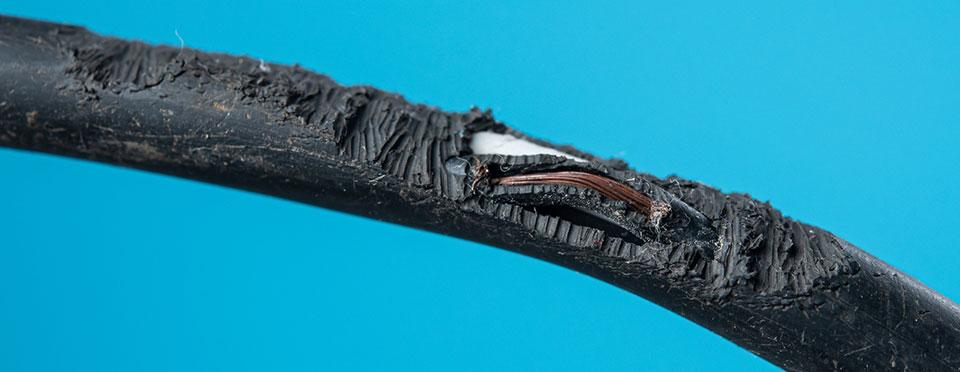
As the cable winds onto the motorized reel under tension, the outer jackets of adjacent layers press tightly against one another. The heat causes the plasticizers to migrate, making the surface tacky and causing the cable wraps to adhere to each other on the drum. When the crane trolley moves and requires the cable to unwind, the reel motor pulls against this stuck surface. This mechanical force can tear sections of the outer jacket away, exposing the internal anti-torsion braid or inner sheath, which compromises the cable's protection against moisture and dust.
Structural Migration and "Corkscrewing" Failures
Another frequent high-temperature failure mode is structural migration, commonly known as "corkscrewing." This occurs when a cable with a softened outer jacket is subjected to rapid acceleration and high tensile loads. As the outer jacket loses its stiffness, it can no longer support the internal conductors against rotational forces.
The copper cores begin to twist and shift within the jacket, causing the cable to develop a wavy, uneven profile. This deformation concentrates mechanical stresses on specific sections of the insulation layer during winding. Over time, the constant bending leads to insulation stress cracking, resulting in phase-to-earth short circuits that trip the crane's main circuit breakers and require immediate, unscheduled maintenance.
10. Standards and Compliance
Designing and selecting high-temperature reeling cables for heavy industrial equipment requires strict adherence to international engineering standards. These standards establish the safety framework and testing protocols needed to ensure reliable operation in demanding environments.
IEC 60204-1: Safety of Machinery - Electrical Equipment of Machines
The foundational standard governing electrical installations on port cranes is IEC 60204-1. This standard provides comprehensive guidelines for the selection, application, and installation of conductors and cables on industrial machinery to ensure operational safety and reliability. Section 12 of the standard explicitly states that cables must be selected appropriately for the operating conditions and external influences they will encounter. This includes factors such as:
Ambient temperature extremes
Presence of water, moisture, or salt spray
Exposure to corrosive substances or oils
High levels of solar radiation and UV exposure
Continuous mechanical movement, flexing, and tensile tension
Compliance with IEC 60204-1 requires engineers to look beyond basic voltage and current ratings. They must verify that the entire cable structure—including the insulation compound and outer jacket chemistry—is designed to withstand the specific environment where the machine will operate. For a port crane in the UAE, this means selecting a cable that can maintain its electrical and mechanical properties under severe solar heating and continuous dynamic stress.
Testing Frameworks and Material Verification
In addition to IEC 60204-1, high-temperature reeling cables must comply with specific manufacturing and testing standards that verify material performance. Medium-voltage cables are typically manufactured and tested in accordance with IEC 60502-2 or specialized standards like DIN VDE 0250-813. These standards outline rigorous testing procedures for thermal aging, mechanical tensile strength, and elongation retention.
Jacket materials must undergo long-term thermal aging tests, where sample sections are placed in controlled ovens at elevated temperatures (often 100°C to 110°C) for several days. After aging, the material must retain a high percentage of its original tensile strength and flexibility. This testing ensures the polymer will not degrade prematurely or become brittle during years of service in hot desert conditions.
11. Procurement Checklist for Engineers
To assist engineering teams, engineering, procurement, and construction (EPC) contractors, and technical purchasing specialists in evaluating high-temperature reeling cables, the following checklist outlines the essential parameters that should be verified prior to procurement.
Environmental and Thermal Parameters
Design Ambient Temperature Margin: Verify the cable compound is rated for peak ambient conditions between 45°C and 55°C, with a maximum continuous conductor operating temperature of 90°C or 105°C.
Maximum Surface Temperature Capacity: Ensure the outer jacket material maintains its mechanical strength and structural stability at surface temperatures ranging from 70°C to 85°C.
Jacket Chemistry and Plasticizer Type: Request confirmation from the manufacturer that the outer sheath uses non-migrating plasticizers or high-molecular-weight polymer modifiers to prevent sheath bleeding and tacky surfaces in high temperatures.
UV and Ozone Resistance Certification: Confirm the outer jacket compound has been tested and certified for long-term UV resistance according to standards like EN 50289-4-17 or ISO 4892-2.
Mechanical and Kinematic Specifications
Conductor Material and Flexibility Class: Specify tinned Class 5 or Class 6 flexible copper conductors to ensure high corrosion resistance and long flex life under continuous bending.
Dynamic Bending Radius Compliance: Ensure the motorized reel drum diameter complies with the cable's minimum dynamic bending radius (typically 6 to 12 times the overall cable diameter).
Maximum Permissible Tensile Loading: Verify the integrated aramid anti-torsion braid can support the maximum dynamic tension experienced during high-speed reeling and rapid crane acceleration.
Rated Reeling Speed and Acceleration: Match the cable's rated horizontal or vertical speed capacity with the operational requirements of the crane system (e.g., up to 180 m/min for high-performance STS cranes).
Project Track Record and Compliance
Regional Reference Projects: Request a list of verified installations where the specific cable model has operated successfully for at least three to five years in the UAE or similar high-temperature desert marine environments.
International Standards Compliance: Ensure the cable construction, testing, and application comply with IEC 60204-1, IEC 60502-2, and relevant VDE or BS standards for industrial machinery.
12. Industry Nomenclature & Technical Reference
When preparing engineering design phases, technical evaluations, or commercial requests for quotation (RFQ), procurement teams and port technical specifiers utilize specialized standard classifications. To ensure absolute clarity in technical communications with global manufacturers and tender boards, engineering documentation should define and map requirements against these standard industry nomenclature categories:
High Temperature Cable Specifications: Used to designate conductor and insulation assemblies engineered to maintain a baseline performance margin at a continuous operating limit of 90°C or 105°C, providing structural insurance against internal joule heating.
Heavy-Duty Crane Reeling Cable Systems: Defines flexible electrical lines specifically manufactured with integrated anti-torsion textile braids, designed to operate continuously under high mechanical tension on motorized drums.
Certified UV Resistant Cable Formulations: Identifies jackets that have undergone rigorous accelerated aging tests, indicating the compound will not experience surface degradation or micro-cracking under the intense solar indexes of the GCC region.
Specialized Desert Port Cable Materials: Denotes custom compound mixtures engineered for maritime logistics hubs that encounter a simultaneous combination of extreme ambient heat, extreme solar absorption, and highly abrasive blown quartz sand.
Heavy Machinery Port Crane Cable Designations: A broad system category covering dynamic power and signal transmission lines installed on critical coastal container-handling assets.
High-Speed Reeling Cable for RTG Crane Applications: Directs technical suppliers to provide low-voltage, highly flexible options balanced for the tight multi-layer spools and frequent short travel movements of yard stacking gantries.
Medium-Voltage Reeling Cable for STS Crane Infrastructure: Specifies structural lines rated from 6/10 kV to 12/20 kV that include specialized semi-conductive layer cross-linking, configured to handle rapid, long-travel horizontal speeds up to 180 m/min.
High Temperature Drum Cable Compliance: A strict structural designation required for any multi-layered, reel-wound system where the restricted thermal dissipation paths inside the spool demand non-tacky, non-bleeding outer jackets.
13. Conclusion
Operating container terminals and material handling systems in the extreme climate of the Middle East requires a careful approach to component selection. Standard commercial flexible cables often struggle under the combination of high ambient heat, intense UV radiation, and continuous mechanical stress. In these demanding coastal conditions, choosing a high-temperature cable with proper material formulation is essential for maintaining operational reliability.
Port crane cables | Mining cables | Reeling cables | Trailing cables | Festoon cables | Heavy-duty power cables | Medium voltage cables | Offshore crane cables | Underground mining cables | Dragline cables | Shearer cables | Container handling cables | STS crane cables | RTG cables | Mobile equipment cables | Armored cables | Flexible power cables | VFD cables | Submersible cables | Cold resistant cables | Abrasion resistant cables | Flame retardant cables | Marine environment cables | Opencast mining | Underground operations
© 2006 All rights reserved.
[INDUSTRIAL_CABLES]
INDUSTRIAL GRADE CABLE SYSTEMS | PORT & MINING SOLUTIONS
TEL: +86 153 7530 2641 |MAIL: hongjing.Wang@feichuncables.com