Medium Voltage Reeling Cable (N)TSCGEWÖU for High-Speed Crane and Reeling Applications
High-speed medium voltage reeling cable (N)TSCGEWÖU for STS, RMG and ERTG cranes. Torsion-resistant, high-tension flexible VDE 025 cable for port crane electrification.
REELING CABLE
hongjing.Wang@Feichun
1/14/202610 min read
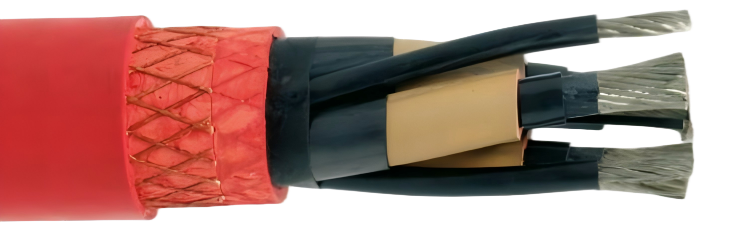
The Role of Medium Voltage Reeling Cables in Modern Crane Electrification
Port and yard crane electrification has accelerated significantly over the past decade. Driven by decarbonization targets, rising energy costs, and the global expansion of automated container terminals, operators are rapidly replacing diesel-powered rubber-tyred gantry cranes with electric alternatives and upgrading shore power infrastructure for ship-to-shore equipment. At the heart of this transition is a deceptively demanding engineering challenge: delivering medium voltage power to a machine that never stops moving.
Unlike static industrial installations, crane power reeling cable must survive an operational environment defined by constant motion, high mechanical stress, and exposure to aggressive outdoor conditions. The cable reel system — whether an end-feed drum, centre-feed drum, or pull-and-store configuration — subjects the cable to repeated bending, tensile loading, and torsional cycling with every single crane traverse. Travel distances in modern automated terminals can exceed 600 metres, and reeling speeds on ship-to-shore cranes can surpass 240 metres per minute. Standard medium voltage cables are simply not designed for these conditions. They stiffen, deform, develop internal stress concentrations, and fail prematurely — with costly consequences for terminal productivity.
The (N)TSCGEWÖU cable, developed and standardised under DIN VDE 025, was engineered specifically to answer these demands. It is the industry-standard medium voltage crane cable for high-speed, high-tension reeling applications across global port infrastructure.
(N)TSCGEWÖU VDE 025: Engineered for High-Speed, High-Tension Reeling
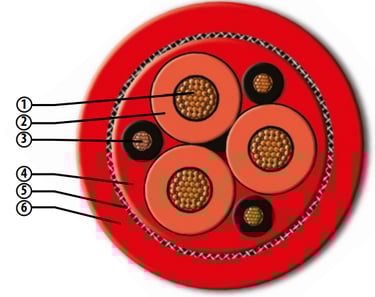
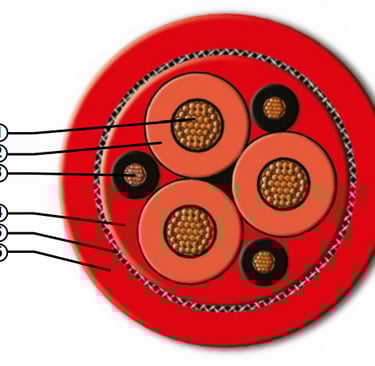
The designation (N)TSCGEWÖU encodes the construction logic of the cable precisely. Each letter references a specific design element: harmonised German construction, copper conductor, elastomer insulation with semiconductive layers, integrated ground conductor, anti-torsion reinforcement, and elastomer outer sheath. This is not a general-purpose flexible cable adapted for crane use — it is a purpose-designed high tension reeling cable built from the conductor outward for the specific mechanical and electrical demands of cable reel systems.
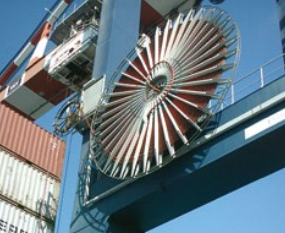
The cable is compatible with all principal reel configurations used in crane electrification: end-feed reels, where the cable exits axially from the end of the drum; centre-feed reels, where the cable is routed through the drum core; and pull-and-store systems, where the cable is actively tensioned and retracted by a motorised storage mechanism. In each case, the cable must resist not only cyclic bending but also the torsional moment that accumulates when a cable is wound and unwound under load. Without specific anti-twisting design features, this torsion gradually induces corkscrew deformation — a permanent helical distortion that dramatically shortens service life and can cause the cable to jump from the drum or bind in cable guides.
The (N)TSCGEWÖU VDE 025 cable addresses this through a combination of conductor geometry, layer sequencing, and a dedicated anti-torsion reinforcement that counteracts torsional stress cycles throughout the cable's operational life.
Advanced Cable Construction for Strength and Flexibility
Understanding why this cable performs where others fail requires examining its construction layer by layer.
Extra-Flexible Copper Conductor (> Class 5, VDE 0295)
The conductors in (N)TSCGEWÖU are stranded well beyond the standard Class 5 flexibility requirement defined in DIN VDE EN 60228. Using fine-wire copper stranding with optimised lay lengths, the conductors achieve superior bending fatigue life compared to conventional medium voltage conductors. In a reeling application, the conductor at the outermost layer of the drum is subjected to the largest bending strain. Coarser stranding concentrates stress on individual wires and causes work hardening and eventual wire fracture. The fine-wire, high-flexibility approach distributes strain across a much larger number of wires, extending bend cycle life by an order of magnitude under equivalent test conditions.
HEPR Insulation with Semiconductive Layers
The insulation system uses Hard Ethylene Propylene Rubber (HEPR), a crosslinked elastomeric compound that combines the electrical performance of EPR with enhanced mechanical resilience. Unlike thermoplastic XLPE insulation — which can crack under repeated flexing and is sensitive to deformation at elevated temperatures — HEPR maintains its dielectric integrity and physical geometry across the full operating temperature range of −20 °C to +60 °C.
Critically, the insulation is applied with inner and outer semiconductive layers. These layers serve to smooth the electric field distribution at the conductor surface and at the insulation-to-screen interface, eliminating the localised field concentrations that cause partial discharge and progressive insulation degradation. In a dynamic cable subject to constant mechanical deformation, maintaining stable semiconductive layer adhesion and geometry is essential to long-term dielectric reliability.
Integrated Ground Conductor with Semiconductive Layer
Each phase core incorporates an integrated ground conductor, also enclosed with a semiconductive layer, positioned symmetrically within the cable cross-section. This design ensures consistent and balanced grounding performance regardless of the instantaneous bending state of the cable, and provides the protective earth continuity required by crane electrical safety standards. The symmetrical arrangement also contributes to the cable's torsional neutrality — balanced mass and stiffness distribution around the cable axis reduces the tendency to develop net torsional moment under bending loads.
Anti-Torsion Reinforcement Layer
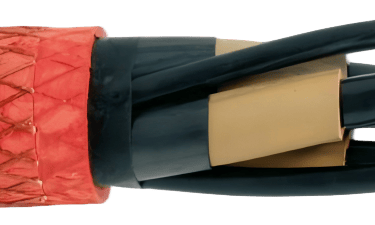
Applied over the assembled core, the anti-torsion reinforcement layer is the structural signature of the (N)TSCGEWÖU construction. Composed of high-tenacity textile or synthetic fibre elements laid at a controlled helical angle, this layer functions as a torque-balancing braid. When the cable is bent around a drum, the reinforcement geometry generates a reaction moment that opposes the torsion induced by bending, preventing the net accumulation of twist across repeated reeling cycles. This is the primary reason the cable resists corkscrew deformation that would otherwise develop within months on a high-speed crane cable reel.
The reinforcement layer also contributes directly to tensile load capacity. On pull-and-store systems and on STS cranes with long travel lengths, the cable must sustain significant axial tension without elongating in ways that alter its lay geometry or compromise electrical performance. The anti-torsion layer anchors the cable structure against this elongation while simultaneously managing torsional stress.
Elastomer Inner and Outer Sheath (>5GM5 Quality)
The inner and outer sheaths are manufactured from elastomer compounds meeting or exceeding the 5GM5 quality grade — a high-performance specification covering abrasion resistance, oil resistance, and weathering performance. The outer sheath is the cable's primary interface with the mechanical environment: drum flanges, cable guides, festoon rollers, protective conduits, and the constant friction of winding and unwinding. The elastomer formulation provides high abrasion resistance to withstand this contact without thinning or breaching. It also resists oils, hydraulic fluids, cleaning chemicals, ozone, ultraviolet radiation, and prolonged water exposure — all routine hazards in a port crane environment.
Mechanical and Operational Performance in Crane Reeling Systems
The combined effect of this construction is a cable that maintains stable mechanical and electrical performance under operating conditions that would rapidly degrade standard medium voltage cables. High tensile load capability allows the cable to be used on long-travel cranes without special tensile relief devices in many installations. Stable operation at high reeling speeds — up to and beyond those encountered on the fastest STS crane travel drives — is achieved because the cable does not develop dynamic instability or oscillation on the drum. Continuous flexing life, validated through standardised bending cycle testing, is substantially longer than general-purpose flexible cables of comparable cross-section.
The cable is also compatible with compact cable reel drum diameters. The minimum flexing bending radius of 12 times the cable outer diameter (12D), as specified under VDE 0298-4, is achievable with reduced outer diameter designs that allow drum manufacturers to optimise reel geometry for deck space constraints on crane structures.
Typical Applications in Port and Automated Crane Systems
Ship-to-Shore (STS) Cranes
STS cranes represent the most demanding application for medium voltage reeling cable. Travel speeds are high, travel distances are long, and the main power cable must transmit the full electrical load of the crane — including hoist, trolley, gantry, and auxiliary systems. (N)TSCGEWÖU is used as the main power reeling cable on STS cranes worldwide, in both end-feed and pull-and-store reel configurations. Its rated voltage range of 3.6/6 kV through 12/20 kV covers all standard crane power supply voltages in use at container terminals globally.
Electric Rubber-Tyred Gantry (ERTG) Cranes
ERTG cranes — diesel-electric RTGs converted or built for yard electrification via trailing cable — are among the fastest-growing applications for port crane power cable. The ERTG travel operation is characterised by frequent direction reversals, moderate travel speeds, and the need for the cable to lie flat and undistorted on the yard surface between crane runs. The torsion-resistant medium voltage cable for cable reels is essential here: a cable prone to twisting will pile up rather than lie flat, creating a tripping hazard and accelerating sheath wear.
Rail-Mounted Gantry (RMG / ARMG / ASC) Cranes
Automated stacking cranes in rail-mounted gantry configurations operate in continuous duty cycles with minimal human intervention. Reliability requirements are correspondingly stringent — unplanned cable failures in an automated stacking yard affect entire bay groups and require manual intervention to clear. The (N)TSCGEWÖU cable's long service life and resistance to degradation under continuous flexing duty make it the preferred medium voltage crane cable specification for ARMG and ASC installations in fully automated terminals.
Electrical Ratings and Compliance with International Standards
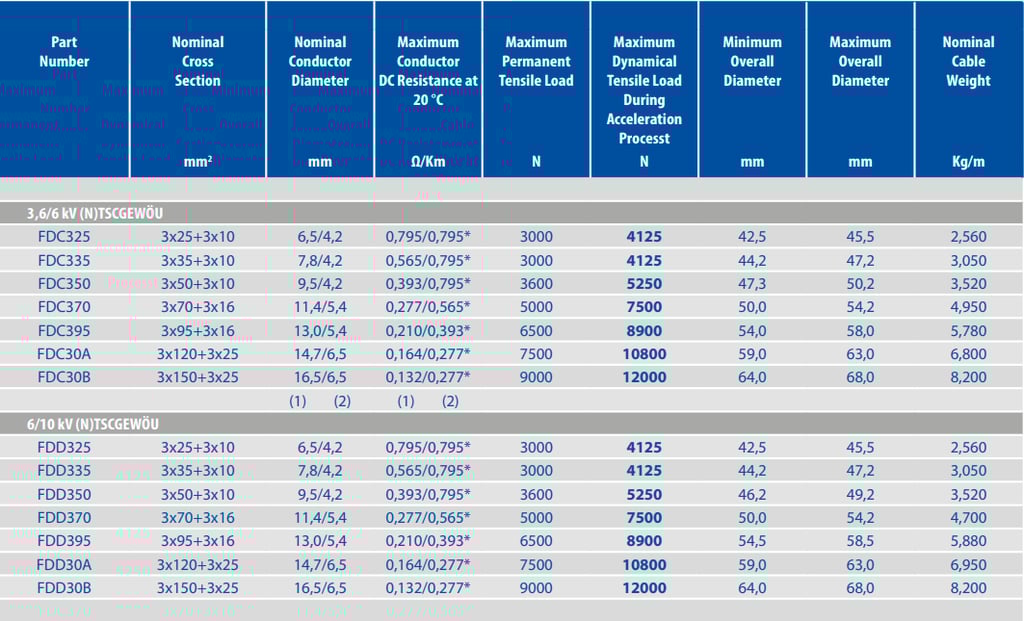
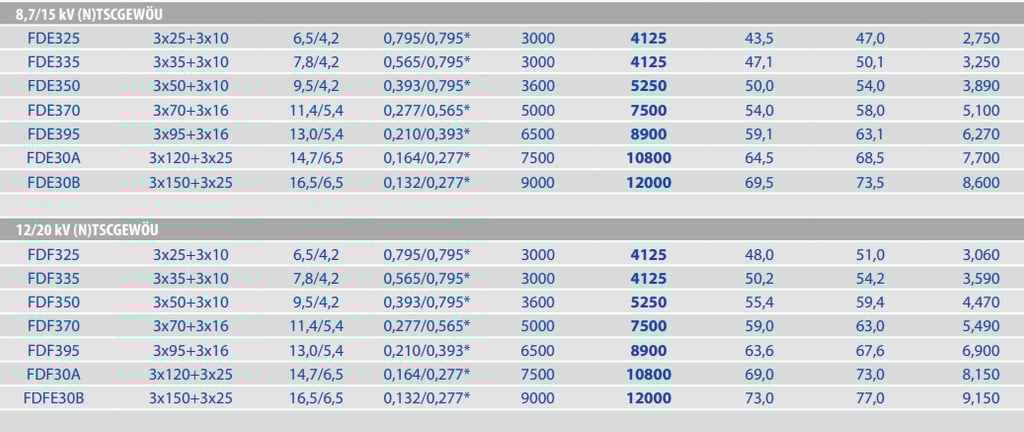
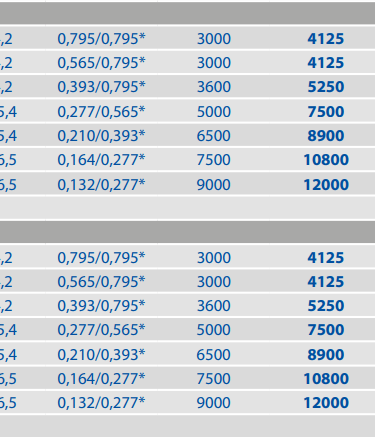
The (N)TSCGEWÖU cable is produced in rated voltage classes of 3.6/6 kV, 6/10 kV, and 12/20 kV, covering the full range of medium voltage crane power supply systems. The cable is designed and tested in compliance with DIN VDE 025-813, the primary German standard governing reeling cables for medium voltage applications. Conductor cross-sections and stranding comply with DIN VDE EN 60228. The insulation and screening system satisfies HD 620 S2 medium voltage cable requirements, ensuring compatibility with European grid connection and type approval frameworks. Installation and bending rules follow VDE 0298-4.
Environmental and Mechanical Resistance Characteristics
The cable is rated for continuous operation between −20 °C and +60 °C, covering all climatic zones in which port cranes operate, from northern European winters to tropical port environments. The elastomer sheath system provides ozone and UV resistance for outdoor cable reel installations where the cable is exposed to direct sunlight for extended periods. Oil and chemical resistance protects against contamination from crane hydraulic systems and yard maintenance activities. Water resistance ensures stable electrical performance in rain, wash-down, and tidal splash environments. The minimum bending radius of 6D for fixed installation and 12D for flexing conditions allows the cable to be integrated into a wide range of reel and festoon system designs.
Engineering Value: Service Life, Reliability, and Safety
Compared to standard medium voltage flexible cables used in industrial applications, the (N)TSCGEWÖU provides measurably longer service life in crane reeling duty. The primary failure modes of standard cables in this application — conductor wire fatigue fracture, insulation cracking at bend points, corkscrew deformation of the cable core, and sheath abrasion breakthrough — are each directly addressed by specific construction features of the VDE 025 design. In operational comparisons at automated terminals, reeling-optimised cables of this construction have demonstrated service lives two to four times longer than standard flexible cables deployed in equivalent reeling duty.
From a reliability standpoint, the implications are significant. Each cable replacement on an STS or ARMG crane requires taking the crane out of service, rigging and threading the replacement cable through the reel system and cable guides, and recommissioning the electrical system — a process that typically requires a full shift and the involvement of specialist cable technicians. Longer cable service life directly translates into fewer planned outages and eliminated unplanned failures. In automated terminal environments where crane availability is a critical operational KPI, this reliability premium carries direct commercial value.
Safety is the third dimension of engineering value. A cable that maintains its anti-torsion geometry and sheath integrity throughout its service life does not create the mechanical hazards associated with cable degradation: free-running loops of deformed cable, exposed conductors from sheath abrasion, or arcing faults from compromised medium voltage insulation. The integrated semiconductive layer design ensures stable electric field distribution and suppresses partial discharge across the cable's service life, maintaining the dielectric margin required for safe operation at rated voltage.
Selection Considerations for Medium Voltage Reeling Cables
Specifying the correct (N)TSCGEWÖU cable for a given crane installation requires careful evaluation of several interrelated parameters. Drum diameter and drum design determine the minimum bending radius the cable must sustain in service — this sets a constraint on the cable outer diameter and flexibility class. Travel length and reeling speed define the tensile load profile and the number of bending cycles accumulated per unit time, which in turn determines the required fatigue life. Torsion cycle count is a function of travel distance and reel configuration. Voltage class and conductor cross-section are determined by the crane's power demand and supply voltage. Environmental exposure — temperature extremes, UV intensity, chemical contamination — governs sheath compound selection.
Engaging with the cable manufacturer at the specification stage, with full documentation of reel geometry and operating duty cycle, allows the optimal cable construction to be selected and validated before procurement.
Frequently Asked Questions
Q: What makes (N)TSCGEWÖU different from a standard medium voltage flexible cable? A: Standard medium voltage flexible cables are designed for static or semi-static installation with occasional repositioning. They lack the anti-torsion reinforcement layer, the high-fatigue conductor stranding, and the abrasion-resistant elastomer sheath system that define (N)TSCGEWÖU. Deployed in a crane reeling application, a standard flexible cable will typically develop corkscrew deformation and conductor fatigue fractures within months. The VDE 025 construction addresses each failure mode systematically.
Q: Can (N)TSCGEWÖU be used in both end-feed and centre-feed reel systems? A: Yes. The cable is designed for compatibility with both end-feed and centre-feed reel configurations, as well as pull-and-store systems. The specific drum geometry and cable entry angle should be reviewed with the reel manufacturer to confirm that the minimum bending radius is respected in the reel-off position.
Q: What voltage classes are available? A: The cable is produced in rated voltage classes of 3.6/6 kV, 6/10 kV, and 12/20 kV, covering all standard crane power supply voltages in global use.
Q: How is torsion resistance verified during manufacturing? A: Torsion resistance is validated through type testing in accordance with DIN VDE 025-813, which includes torsion cycling tests under defined load conditions. Routine production testing verifies conductor resistance, insulation integrity, and sheath compound properties against specification.
Q: What is the expected service life compared to standard cables? A: Under equivalent reeling duty, (N)TSCGEWÖU cables have demonstrated service lives two to four times longer than standard medium voltage flexible cables in operational crane installations. Actual service life depends on reel geometry, reeling speed, tensile load, and environmental conditions specific to each installation.
Q: Is the cable suitable for automated terminal environments with continuous duty cycles? A: Yes. The cable is specifically recommended for ARMG, ASC, and automated ERTG crane applications where continuous duty cycling and high reliability requirements are paramount. Its construction is optimised for the long-term fatigue and torsional stress profiles characteristic of automated crane operation.
Port crane cables | Mining cables | Reeling cables | Trailing cables | Festoon cables | Heavy-duty power cables | Medium voltage cables | Offshore crane cables | Underground mining cables | Dragline cables | Shearer cables | Container handling cables | STS crane cables | RTG cables | Mobile equipment cables | Armored cables | Flexible power cables | VFD cables | Submersible cables | Cold resistant cables | Abrasion resistant cables | Flame retardant cables | Marine environment cables | Opencast mining | Underground operations
© 2006 All rights reserved.
[INDUSTRIAL_CABLES]
INDUSTRIAL GRADE CABLE SYSTEMS | PORT & MINING SOLUTIONS
TEL: +86 153 7530 2641 |MAIL: hongjing.Wang@feichuncables.com