Next-Generation (N)TSKCGEWOEU Sensor Reeling Cables: Powering Integrated Energy and Optical Data Transmission for Smart Container Terminals in the Middle East
This article introduces (N)TSKCGEWOEU sensor reeling cable for smart ports and automated container terminals. It highlights the value of integrated fibre optics, control signals, and data transmission in modern crane systems.
hongjing.Wang@Feichun
7/28/202617 min read
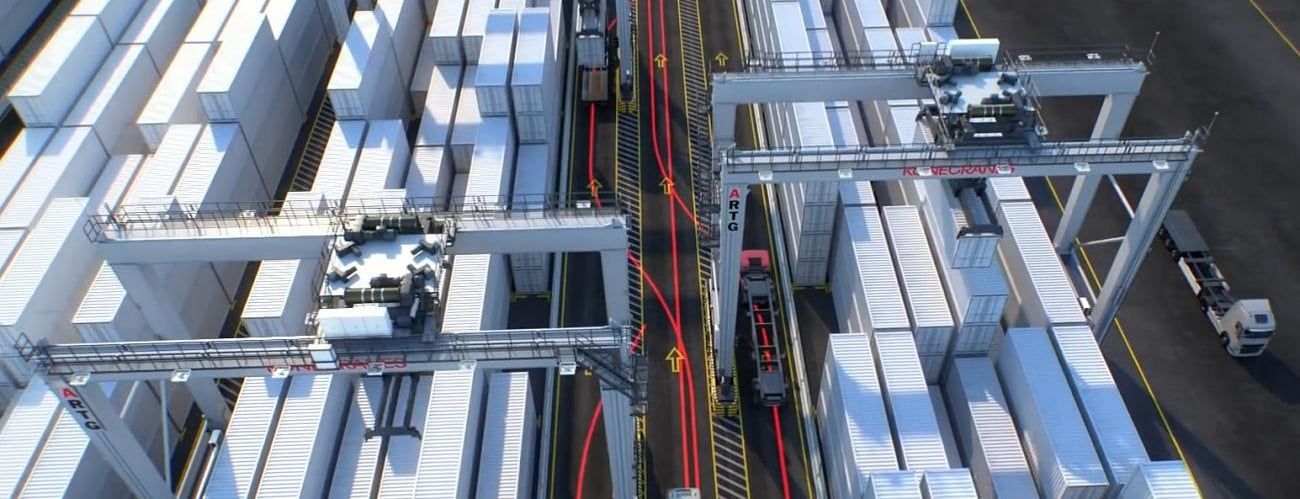
The maritime logistics landscape across the Middle East is undergoing an extraordinary digital transformation. Container terminals along the Arabian Gulf, Red Sea, and Gulf of Oman are no longer merely handling bulk cargo and physical container loads using human-operated mechanical rigs. Modern maritime gateways operate as intelligent, highly digitized logistics hubs driven by artificial intelligence, real-time analytics, automated equipment, and centralized remote control operations.
In this new era of port automation, heavy container handling machinery—such as ship-to-shore gantry cranes, rail-mounted stacking cranes, and automated rubber-tyred gantries—requires far more than simple electric current. A modern automated crane is a complex ecosystem of power drives, programmable logic controllers, high-definition optical vision cameras, laser positioning sensors, thermal monitoring devices, and low-latency communication networks. Supplying energy while simultaneously receiving real-time diagnostic feedback and transmitting high-speed operational data requires a radical shift in electrical infrastructure.
Legacy equipment layouts often relied on separate physical cables for medium-voltage electrical power and low-voltage control signals or data networking. In dynamic, high-speed reeling environments, running multiple independent cables introduces significant mechanical friction, increased reel inertia, complex cable guide designs, and a higher probability of physical entanglement or sheath rupture.
To overcome these structural limitations, smart container terminals are adopting hybrid single-cable architectures. The (N)TSKCGEWOEU medium-voltage sensor reeling cable engineered with integrated fiber-optic units provides a unified solution for power, control, and optical communication within a single, highly durable cable structure. Built to withstand high travel speeds, continuous directional changes, severe torsional twist, and dynamic tensile loads, this specialized cable engineered by manufacturers like Feichun delivers reliable power and uninterrupted data flow under the demanding operating conditions of Middle Eastern smart ports.
What Is (N)TSKCGEWOEU Cable?
The (N)TSKCGEWOEU cable is a heavy-duty, flexible medium-voltage rubber reeling cable built according to German DIN VDE 0250-813 standards and certified under international quality norms such as GOST-R. It is specifically engineered for mobile heavy equipment operating under severe dynamic mechanical stress, particularly fast-moving container cranes, ship unloaders, and large bulk material handling systems.
What sets the (N)TSKCGEWOEU design apart from standard industrial power lines or conventional medium-voltage trailing cables is its hybrid structural integration. The designation itself highlights a standardized VDE design framework featuring specialized medium-voltage electrical field control layers, fine-stranded tinned copper conductors, advanced synthetic rubber insulating compounds, and an integrated optical fiber unit.
While a standard medium-voltage reeling cable delivers raw electrical energy to turn crane motors, the (N)TSKCGEWOEU cable acts as both a high-capacity power pipe and a high-speed fiber-optic data highway. By combining three-phase power conductors, split earth protective cores, and multi-fiber optical elements into a single symmetrical core assembly, the cable provides simultaneous energy transmission, continuous control signaling, and optical data feedback. This multi-functional capability makes the (N)TSKCGEWOEU cable an ideal choice for port engineers, equipment manufacturers, and terminal operators upgrading to automated, sensor-driven crane fleets.
Why Smart Ports Need More Than Power
Understanding the operational differences between a traditional container terminal and a fully automated smart port explains why electrical cabling requirements have evolved so rapidly.
A traditional container terminal relies heavily on human operators sitting inside crane cabs high above the quay or container stacks. In these manual setups, operational decisions, visual inspections, and positioning adjustments are performed directly by the driver. The crane's electrical supply cable serves a single primary purpose: delivering medium-voltage electrical power from quayside junction pits to onboard transformers and drive motors. Control commands are local, and telemetry data is minimal, requiring only basic low-voltage control lines or short-distance wired connections within the crane structure itself.
Smart container terminals operate on an entirely different operational model. In automated facilities, cranes operate without human drivers inside the cab. Instead, equipment is orchestrated by centralized Terminal Operating Systems, artificial intelligence scheduling algorithms, and remote control stations located kilometers away in air-conditioned operations centers.
For a remote operator or autonomous system to control a ship-to-shore crane or automated stacking crane with millimeter accuracy, the crane must continuously send and receive vast amounts of data in real time:
Multi-angle high-definition and 4K video feeds stream live footage from trolley-mounted cameras to remote control desks, giving operators complete visual clarity during container picking and placing.
Programmable logic controllers exchange microsecond-level synchronization signals between gantry drives, hoist motors, and trolley positioning drives.
Laser measuring devices, optical radar, and ultrasonic anti-collision sensors transmit continuous telemetry to prevent accidents and optimize container stacking heights.
Real-time condition sensors constantly monitor bearing temperatures, motor vibration levels, brake wear, and electrical insulation health to feed predictive maintenance algorithms.
If the communication link between the crane and the central control network experiences latency, electrical interference, or physical signal loss, the automated system enters emergency shutdown to prevent safety hazards. This halts container movements, creates quayside bottlenecks, and leads to costly terminal downtime.
Traditional power cables cannot support these high-bandwidth, noise-sensitive data requirements. Running a separate fiber-optic trailing cable alongside a heavy medium-voltage power cable introduces severe mechanical challenges, as differing tension rates, reel diameters, and bending radii cause the two cables to wear unevenly and tangle.
Smart port infrastructure demands a single hybrid cable capable of delivering raw medium-voltage drive power while serving as an immune, high-bandwidth data network. The (N)TSKCGEWOEU cable solves this challenge by embedding ruggedized optical fibers and sensor elements directly into the structural core of the power cable.
Cable Structure And Function
Achieving reliable power delivery and distortion-free optical data transmission within a single reeling cable operating under extreme dynamic motion requires careful structural balancing and advanced material selection. The internal geometry of the (N)TSKCGEWOEU cable is meticulously engineered so that every component fulfills a distinct mechanical or electrical role without interfering with adjacent elements.
(N)TSKCGEWOEU HYBRID CROSS-SECTION .─────────────────. / Main Power \ . Conductor 1 . / ─────────────────────── \ │ Split Earth Interstice │ │ Conductor 1 │ .──────────────. │ │ .──────────────. / Main Power \│ Optical Fiber Unit │/ Main Power \ . Conductor 2 . In Interstice 3 / Center. Conductor 3 . \ / \ Split Earth Interstice / / \ / \ Conductor 2 / \ / ' . . ' ─────────────────────── ' ' . . ' ' .─. ' ' .─. '
High-Flexibility Power Conductors
The main power conductors are constructed from electrolytic tinned copper wires, finely stranded according to Class FS flexibility requirements under DIN VDE 0295 norms. Tinning individual copper strands prevents chemical oxidation caused by high operating temperatures and ambient humidity, ensuring long-term electrical conductivity. The extra-fine strand diameter allows the conductor to bend around tight spooling drums and guide sheaves millions of times without experiencing metal fatigue or strand breakage.
High-Grade EPR Primary Insulation
Primary insulation over each main power conductor consists of an advanced Ethylene Propylene Rubber compound designated as PROTOLON HS or quality 3GI3 under DIN VDE 0207 Part 20 specifications. This high-grade EPR formulation offers superior dielectric strength, exceptionally low electrical dissipation factors, and outstanding resistance to thermal deformation under heavy electrical loads.
Dual-Layer Semiconductive Field Control
To safely manage medium-voltage electrical stress, the cable uses a double-layer field control architecture:
An inner semiconductive layer composed of specialized EPR is extruded directly over the finely stranded tinned copper conductor, creating a smooth electrical boundary and eliminating micro-voids that could trigger localized partial discharges.
An outer semiconductive layer made from a modified NBR compound is extruded over the EPR primary insulation. This outer layer uses an Easy Strip design, allowing cold stripping during field installation without requiring specialized heating tools or risking damage to underlying insulation.
Symmetrical Three-Core Interstitial Layout
The overall assembly uses a balanced three-core layout organized around a central cradle separator. Rather than using a single large earth wire, the protective conductor is split into two equal parts and positioned symmetrically within two of the outer interstitial gaps between the main power cores. This balanced geometry balances structural weight, reduces overall cable outer diameter, and minimizes internal electromagnetic interference.
Integrated Optical Element Unit
The third interstitial gap within the core layout houses the dedicated optical fiber unit. This optical element consists of six protective tubes laid up symmetrically around a central flexible support element. Each tube holds one, two, or three individual optical fibers, protecting delicate glass filaments from external crushing forces and axial stretching while the cable is spooled under dynamic tension.
Multi-Layer Protective Sheath and Anti-Torsion Braid
The exterior protection system uses a double-layer sandwich design engineered for high mechanical strength:
Inner Rubber Sheath: A double-layer inner sheath made of high-grade EPR compound (quality at least 5GM3) serves as a flexible mechanical cushion and internal water barrier. Colored bright red, it seals internal core components against moisture and physical friction.
Embedded Anti-Torsion Braid: A high-tensile reinforcement braid woven from synthetic polyester threads is bonded directly between the inner and outer rubber sheaths during vulcanization. This anti-torsion braid converts axial twisting forces into longitudinal stability, preventing structural distortion or "corkscrewing" when the cable undergoes rapid directional changes across guide rollers.
Heavy-Duty Outer Sheath: The exterior protective jacket is extruded from a high-grade Chloroprene Rubber compound (PCP, quality at least 5GM5). Formulated in bright red, this double-layer outer sheath provides exceptional resistance to surface abrasion, tearing, solar UV radiation, ozone exposure, marine salt mist, and industrial oils.
Integrated Fibre Optics
The optical subsystem within the (N)TSKCGEWOEU cable provides the communication backbone required for real-time control and telemetry in smart ports. Engineered to isolate fragile optical fibers from severe dynamic loads, the cable supports flexible fiber configurations tailored to specific port networking protocols.
Available Fiber Configurations and Fiber Types
Depending on network design, data transfer distance, and bandwidth requirements, the integrated optical element unit can be supplied with 6, 12, 18, or 24 individual optical fibers. These fibers are categorized into three standardized glass fiber classes:
G50/125 µm Graded-Index Multimode Fiber: Features a 50 µm core diameter and 125 µm cladding diameter. It operates at 850 nm and 1310 nm wavelengths with attenuation values below 2.8 dB/km and 0.8 dB/km, offering bandwidths exceeding 400 MHz·km at 850 nm and 1200 MHz·km at 1300 nm.
G62.5/125 µm Graded-Index Multimode Fiber: Features a 62.5 µm core diameter and 125 µm cladding diameter. It offers attenuation levels under 3.3 dB/km at 850 nm and under 0.9 dB/km at 1310 nm, with bandwidths exceeding 400 MHz·km at 850 nm and 600 MHz·km at 1300 nm.
E9/125 µm Monomode (Single-Mode) Fiber: Designed for high-speed, long-distance data transmission, featuring a 9 µm core and 125 µm cladding diameter. It achieves ultra-low attenuation under 0.4 dB/km at 1310 nm and under 0.3 dB/km at 1550 nm, with chromatic dispersion values below 3.5 ps/nm·km.
Advanced Fiber Protection and Identification
Each individual fiber is coated with a 250 µm primary protective layer and housed within a loose hollow buffer tube made of high-strength ETFE material (quality 7YI 1). The hollow tube is filled with a specialized gel compound that cushions the glass fibers against vibration, seals against moisture, and allows individual fibers to float freely during cable flexing.
To streamline field termination and splicing, individual fibers and protective buffer tubes follow a color-coding system, enabling technicians to identify specific communication channels during installation.
Industrial Network Performance Advantages
Graded-index multimode fibers are ideal for short-to-medium distance communication within individual crane structures, linking PLC units, motor drives, and local control panels. Monomode fibers provide long-distance, high-bandwidth connections, linking moving gantry cranes directly to remote terminal control centers kilometers away without signal repeaters or optical amplifiers.
Most importantly, transmitting data optically through glass fibers completely eliminates electromagnetic interference. While high electrical currents, switching transients, and variable frequency drive noise can distort signals in traditional copper control wires, optical signals remain clear, ensuring stable data transmission even when the cable carries full medium-voltage electrical power.
Why Fiber Optics Matter In Crane Systems
As container handling cranes become faster and more automated, reliable high-speed communication becomes just as critical as raw electrical power. Integrating optical fiber units directly into medium-voltage reeling cables provides clear technical advantages for modern port machinery:
KEY ADVANTAGES OF INTEGRATED FIBER OPTICS ┌─────────────────────────────────────────────────────────────────┐ │ Complete Immunity to Electromagnetic Interference (EMI) │ ├─────────────────────────────────────────────────────────────────┤ │ Microsecond-Level Latency for Real-Time Drive Control │ ├─────────────────────────────────────────────────────────────────┤ │ Multi-Gigabit Bandwidth for Multi-Channel 4K Video Streaming │ ├─────────────────────────────────────────────────────────────────┤ │ Long-Distance Signal Transmission Without Repeaters │ ├─────────────────────────────────────────────────────────────────┤ │ Reduced Overall Cable Weight and Reel Inertia vs Separate Lines │ └─────────────────────────────────────────────────────────────────┘
Complete Immunity to Electrical Noise: Heavy crane drives driven by large variable frequency drives generate intense electromagnetic fields and high-frequency harmonic distortion. Optical signals traveling through glass fibers are completely immune to electromagnetic fields, preventing control signal corruption, false safety trips, or video dropouts during crane acceleration.
Ultra-Low Latency Transmission: Automated safety systems, gantry anti-sway controls, and remote joy-stick operations require microsecond-level response times. Fiber optics deliver high signal speeds across the terminal network, ensuring immediate control response between remote operators and moving machinery.
Unmatched Bandwidth Capacity: Modern smart cranes generate massive volumes of data, from multi-angle high-definition camera feeds to continuous LIDAR spatial mapping. Optical fibers offer multi-gigabit bandwidth capacity within a compact footprint, supporting current data demands while providing ample head-room for future digital upgrades.
Streamlined Cable Management: Integrating fiber optics into a single medium-voltage power cable eliminates the need for auxiliary spooling drums, secondary guide rollers, or complex dual-cable management systems. This reduces total mechanical weight on the crane structure, simplifies maintenance, and lowers overall capital equipment costs.
Building an integrated fiber-optic cable architecture provides the foundation for connected port automation. For a deeper analysis of fiber-optic construction techniques, buffer tube designs, and signal loss prevention in dynamic marine environments, refer to our comprehensive technical guide on specialized fiber optic cables for industrial applications.
Sensor Applications In Smart Ports
The integration of optical fiber elements within the (N)TSKCGEWOEU cable enables advanced sensor connectivity and continuous health monitoring across automated container terminals. By transforming the primary power line into a sensor-enabled telemetry corridor, port operators gain real-time visibility into equipment status and operating environments:
Real-Time Position and Alignment Telemetry: Fiber-optic lines connect laser distance meters, rotary encoders, and optical positioning sensors mounted on moving trolleys and gantry trucks. This continuous spatial feedback enables Terminal Operating Systems to position spreaders over container cell guides with millimeter precision, accelerating loading cycles and preventing structural collisions.
Integrated Fiber-Optic Temperature Sensing: Advanced terminals utilize optical fibers for Distributed Temperature Sensing along the length of the cable. By measuring backscattered light patterns inside the fiber core, the system calculates temperature profiles along the cable in real time. This allows engineering teams to detect localized thermal hot-spots caused by drum overheating, broken guide rollers, or localized electrical overloads before severe sheath damage occurs.
Vibration and Mechanical Condition Monitoring: Real-time feedback from accelerometers and vibration sensors mounted on crane gearboxes, motor bearings, and spooling drums travels through the optical unit to central predictive maintenance platforms. Signal monitoring algorithms analyze frequency signatures to detect early bearing wear, gear misalignment, or mechanical imbalance, enabling maintenance teams to schedule repairs during planned downtime rather than responding to emergency breakdowns.
Continuous Structural Health and Safety Validation: Sensor feedback loops monitor dynamic reeling tension, cable pay-out speeds, and torsional twist angles. If dynamic tension exceeds safe limits—for instance, if a cable becomes snagged in a quayside trench—the sensor network instantly alerts the crane safety system to halt travel, preventing cable rupture and protecting terminal personnel.
In automated terminals where human workers are absent from the quay deck, real-time sensor feedback serves as the visual, thermal, and mechanical sensory network for autonomous control systems, ensuring operational safety and high terminal throughput.
Typical Cable Build For Smart Terminals
To understand how these multi-functional requirements come together in a single physical product, consider the complete layered construction of a typical (N)TSKCGEWOEU sensor reeling cable for smart port machinery:
TYPICAL HYBRID CABLE CONSTRUCTION [ Power & Drive ] ──> Finely Stranded Tinned Copper Conductors High-Grade EPR Rubber Insulation (3GI3) Inner & Outer Semiconductive Field Control [ Ground System ] ──> Symmetrical Split Earth Conductors (2 Interstices) [ Data & Sensors ] ──> Fiber Optic Unit (6-24 Fibers in 3rd Interstice) ETFE Hollow Buffer Tubes with Gel Filling Central Support Core & Color-Coded Coding [ Sheathing System ]──> Double-Layer EPR Inner Sheath (5GM3) High-Tensile Polyester Anti-Torsion Braid Heavy-Duty PCP Outer Sheath (5GM5, Bright Red)
Main Power Elements: Three phase conductors made of fine-stranded, electrolytic tinned copper wires (Class FS flexibility) covered by extruded EPR inner semiconductive layers, high-grade EPR insulation (PROTOLON HS / 3GI3), and strippable modified NBR outer semiconductive layers.
Protective Earth Elements: Symmetrical earth conductor split into two tinned copper assemblies, positioned within two of the outer core interstices to maintain balance and eliminate electrical field asymmetrical distortion.
Data Communication & Sensor Elements: An optical fiber unit positioned within the third core interstice, featuring 6, 12, 18, or 24 optical fibers (G50/125 µm, G62.5/125 µm, or E9/125 µm) housed inside gel-filled ETFE hollow buffer tubes stranded around a flexible central support core.
Internal Structural Separation: Central rubber cradle separator anchoring all primary cores, preventing internal friction and maintaining geometry under continuous dynamic flexing.
Inner Protective Barrier: A double-layer synthetic EPR rubber inner sheath (quality 5GM3) in high-visibility red, forming a water barrier and structural core cushion.
Torsional Stabilization Layer: A high-strength synthetic polyester braid embedded within a vulcanized bond between the inner and outer sheaths, resisting axial twisting and structural corkscrewing.
Exterior Defense Layer: A heavy-duty Chloroprene Rubber outer jacket (PCP, quality 5GM5) in bright red, providing high abrasion, tear, oil, UV, and weather resistance.
Smart Port Trend In The Middle East
The Middle East is home to some of the most technologically advanced maritime terminals in the world. Terminal operators across the region are investing heavily in full port automation, remote control crane systems, and AI-driven logistics management to increase container throughput, improve operational safety, and strengthen their positions as global trade hubs.
Flagship facilities like Jebel Ali Port in Dubai, Khalifa Port in Abu Dhabi, King Abdulaziz Port in Dammam, and Fujairah Port lead this transformation:
MIDDLE EAST SMART PORT INFRASTRUCTURE GROWTH ┌─────────────────────────────────────────────────────────────┐ │ Full Remote-Control STS Cranes with Multi-Channel 4K Video │ ├─────────────────────────────────────────────────────────────┤ │ Fully Automated Stacking Crane (ASC) Container Yards │ ├─────────────────────────────────────────────────────────────┤ │ AI-Driven Predictive Terminal Operations & Equipment Tracking │ ├─────────────────────────────────────────────────────────────┤ │ High-Voltage Shore Power (Cold Ironing) Integration │ └─────────────────────────────────────────────────────────────┘
Jebel Ali Port (DP World): Recognized as a pioneer in port automation, Jebel Ali has deployed automated stacking cranes, remote-controlled ship-to-shore gantry cranes, and high-tech berth automation platforms to process multi-million TEU annual volumes with high precision.
Khalifa Port (AD Ports Group): Featuring semi-automated and fully automated container terminals, Khalifa Port utilizes automated stacking cranes and advanced yard logistics platforms, setting benchmarks for automated container handling in the region.
King Abdulaziz Port and Red Sea Gateways: Port authorities across Saudi Arabia are actively modernizing quayside infrastructure under Saudi Vision 2030 initiatives, introducing remote control equipment and smart sensor networks to streamline trade along busy maritime corridors.
However, operating smart port technology in the Middle East presents unique environmental challenges. Cables installed on quayside machinery must operate reliably in harsh climatic conditions:
Summer ambient air temperatures routinely exceed 45 ℃ to 50 ℃, with direct solar exposure driving metal cable drum temperatures above 70 ℃.
High relative humidity along Gulf coastlines creates continuous salt mist condensation, promoting accelerated chemical corrosion on metallic components.
Fine silica sand dust blowing from surrounding desert environments penetrates mechanical guide assemblies, acting as an abrasive compound on moving cable sheaths.
High solar UV radiation rapidly degrades lower-grade rubber and plastic compounds, leading to premature outer jacket cracking.
To succeed in this challenging environment, Middle Eastern smart terminals require specialized cables engineered specifically for high thermal endurance, UV resistance, dust abrasion protection, and reliable optical transmission. The (N)TSKCGEWOEU sensor reeling cable engineered by manufacturers like Feichun provides the structural toughness and thermal stability needed to support long-term smart port operations across the region.
Key Applications
The hybrid design of the (N)TSKCGEWOEU cable makes it a versatile power and data solution for various automated container handling machinery:
PRIMARY MACHINERY APPLICATION MATCH Application Class Specific Equipment Supported ───────────────────────────────────────────────────────────────── Automated Stacking Cranes (ASC) Rail-mounted automated yard gantries requiring power and PLC feedback[cite: 2] Rail-Mounted Gantries (RMG) High-speed yard container cranes with integrated sensor links[cite: 1, 2] Ship-to-Shore (STS) Cranes Large quayside gantry cranes with remote 4K video & positioning[cite: 1, 2] Remote-Controlled Yard Equipment Automated rubber-tyred gantries and mobile container handlers[cite: 1, 2]
Automated Stacking Cranes (ASC)
In automated container yards, ASC units operate continuously along dedicated rail tracks without onboard human operators. The (N)TSKCGEWOEU cable feeds medium-voltage electric power to main drive transformers while transmitting microsecond-level positioning data, rail alignment signals, and safety interlock telemetry between the moving crane and central yard management systems.
Rail-Mounted Gantry (RMG) Cranes
High-speed RMG cranes handling container stacking and intermodal rail loading rely on (N)TSKCGEWOEU cables to maintain steady drive power while transferring continuous condition monitoring data, ensuring reliable operation across long travel distances.
Ship-to-Shore (STS) Automation Systems
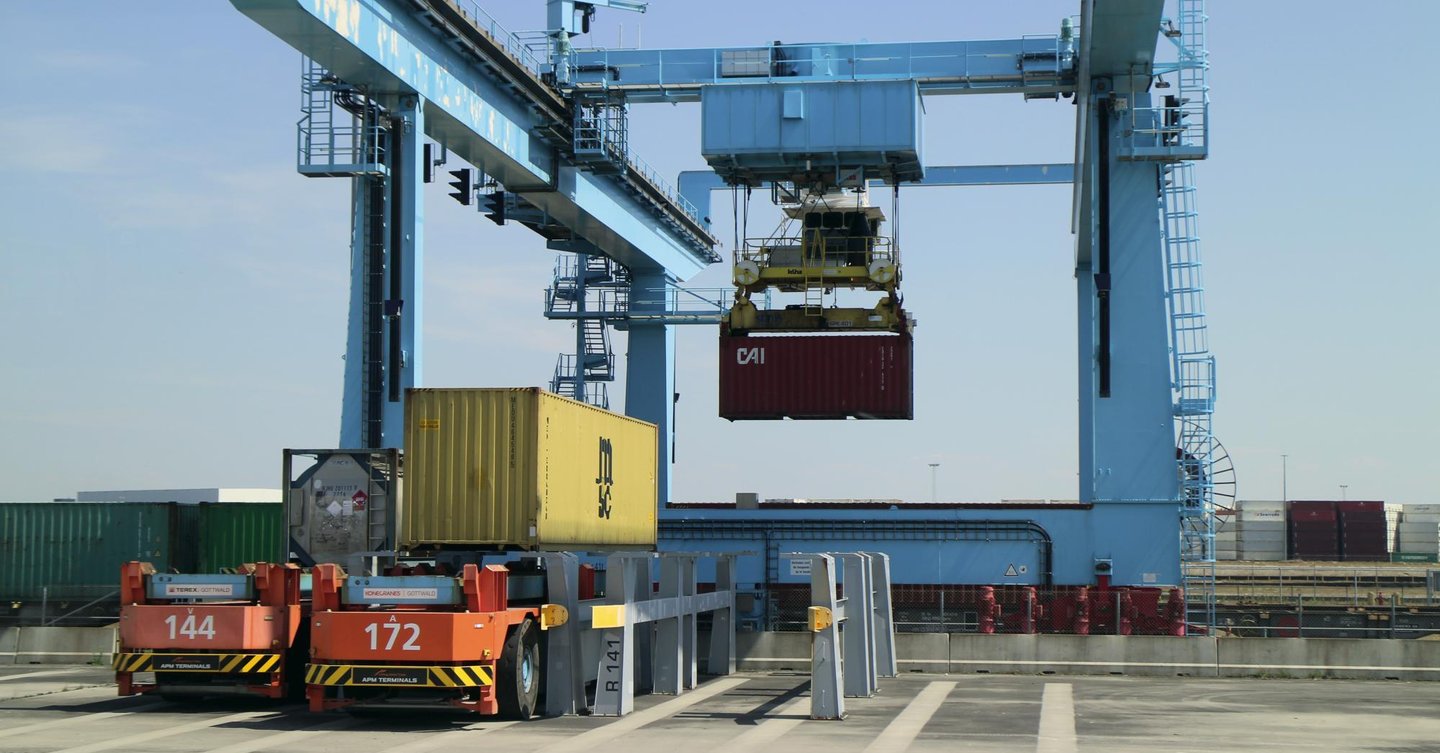
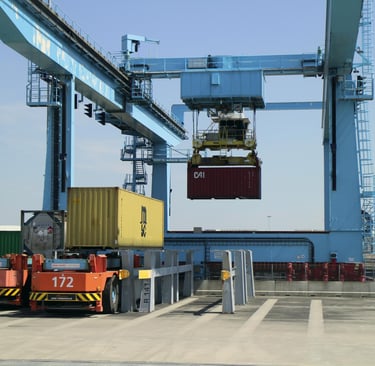
Ultra-large Ship-to-Shore cranes require high operational voltage (typically 3.6/6 kV or 6/10 kV) to power heavy hoist and trolley motors. (N)TSKCGEWOEU cables mounted on main motorized spooling reels supply high drive power while streaming multiple live 4K camera feeds, laser spreader telemetry, and anti-sway sensor signals back to remote operator desks in real time.
Remote-Controlled Yard Cranes and Mobile Handling Rigs
Whether deployed on electrified rubber-tyred gantries or specialized container transfer cars, the (N)TSKCGEWOEU cable delivers steady medium-voltage power alongside control data, supporting mobile equipment across dynamic logistics yards.
Why This Cable Fits Automation
The (N)TSKCGEWOEU sensor reeling cable is specifically designed to meet the operational demands of automated port environments:
Unified Power, Control, and Optical Communication: By combining three-phase power conductors, split earth conductors, and multi-fiber optical units within a single symmetrical cable structure, it eliminates the need for separate power and data cables, simplifying mechanical design and lowering maintenance needs.
Engineered for High Dynamic Motion: Finely stranded Class FS copper conductors, EPR rubber insulation, and an anti-torsion synthetic braid allow the cable to withstand travel speeds exceeding 240 m/min, continuous acceleration forces up to 30 N/mm², and severe torsional twisting up to ±25 °/m without structural damage or signal loss.
Immunity to Industrial Electrical Noise: Optical fiber data transmission remains completely unaffected by high-voltage electrical fields, variable frequency drive harmonics, or switching transients, ensuring uninterrupted data flow between automated cranes and terminal networks.
Extreme Environmental Resilience: Featuring an EPR inner cushion sheath and a heavy-duty Chloroprene Rubber outer jacket (PCP, quality 5GM5), the cable resists surface abrasion, UV degradation, ozone exposure, salt fog corrosion, and industrial oils across operating temperatures ranging from -35 ℃ in dynamic service up to 80 ℃ surface temperatures.
By providing electrical capacity, mechanical strength, and reliable optical data flow within a single cable construction, the (N)TSKCGEWOEU cable serves as an ideal structural backbone for automated container terminals.
Selection Points For Buyers
Procuring medium-voltage sensor reeling cables for Middle Eastern port projects requires careful evaluation of technical, electrical, and mechanical parameters. Engineering submittals should be reviewed against specific operational criteria to ensure long-term performance:
PROCUREMENT CHECKLIST FOR BUYERS [1. System Voltage] ──> Select 3.6/6 kV, Max AC 4.2/7.2 kV [2. Fiber Count] ──> Choose 6, 12, 18, or 24 Fibers [3. Fiber Glass Type] ──> Select G50/125, G62.5/125, or Monomode E9/125 [4. Thermal Derating] ──> Adjust for 45-50 ℃ Ambient Air Temperatures [5. Mechanical Fit] ──> Verify 20 x D Bending Radius & Drum Diameter [6. Factory Term] ──> Request Factory Fiber Pre-Termination
1. Rated Electrical Voltage Class
Confirm electrical system specifications. The standard (N)TSKCGEWOEU cable is rated for 3.6/6 kV nominal operating voltage, with maximum permissible AC operating voltages up to 4.2/7.2 kV, maximum DC operating voltages up to 5.4/10.8 kV, and factory AC test voltages of 11 kV. Ensure these ratings match quayside transformer taps and drive electrical specifications.
2. Optical Fiber Count and Fiber Glass Selection
Determine network bandwidth requirements. Select between 6, 12, 18, or 24 fiber counts based on data transmission needs. Select the appropriate glass fiber type for your network architecture:
Choose G50/125 µm or G62.5/125 µm graded-index multimode fiber for short-to-medium distance internal crane networks and local PLC communication.
Choose E9/125 µm monomode fiber for high-bandwidth, long-distance signal transmission connecting moving cranes directly to central terminal servers without signal repeaters.
3. Thermal Derating for Middle Eastern Climates
Standard cable ampacity values are rated at 30 ℃ ambient air temperatures according to DIN VDE 0298 Part 4 guidelines. In Middle Eastern port installations where summer ambient air temperatures reach 45 ℃ to 50 ℃ and cable drum surfaces experience high solar radiation, apply thermal derating factors to prevent conductor overheating. The high 90 ℃ continuous operating rating of EPR insulation provides an important safety buffer when correctly derated.
4. Spooling Drum Geometry and Bending Limits
Check mechanical reel specifications. The cable requires a minimum dynamic bending radius conforming to DIN VDE 0298 Part 3, typically 20 times the total cable outer diameter (20 × D). Verify that spooling drums, guide rollers, and turnover sheaves meet or exceed this minimum radius to prevent mechanical stress on copper strands and optical buffer tubes.
5. Environmental Compound Specifications
Confirm that outer sheathing materials meet DIN EN 60811-404 oil resistance standards and HD 2216 water resistance standards. The PCP outer sheath (quality 5GM5) must feature UV and ozone stabilization additives to resist physical degradation under intense tropical solar radiation and marine salt exposure.
6. Special Installation and Factory Termination Requirements
Review field assembly logistics carefully. Fiber optic preparation, stripping, and fusion splicing require specialized tools, precise cleanroom conditions, and experienced technicians. Field splicing optical fibers inside a dynamic reeling cable on an outdoor quay deck introduces risks of micro-bends, contamination, and signal attenuation.
It is strongly recommended to request factory-assembled fiber terminations from the manufacturer. Ordering cables pre-terminated with specified connector types and exact breakout dimensions simplifies field installation, reduces setup time, and ensures factory-certified optical performance.
Suggested Visual Documentation Elements
When preparing technical procurement submittals, engineering blog posts, or project proposals for port authorities, incorporating technical illustrations can help communicate complex structural features:
Automated Container Terminal Operational Layout: A conceptual diagram showing automated stacking cranes and remote-controlled Ship-to-Shore cranes linked via quayside trenches and hybrid cables to a central control building.
Crane Remote Control and Telemetry Flow: A visual illustration showing optical data streams—such as 4K video feeds, laser positioning metrics, and thermal sensor diagnostics—traveling through integrated cable fibers alongside medium-voltage power lines.
Cross-Sectional Cable Layout: An annotated structural illustration highlighting the symmetrical three-core layout, split interstitial earth conductors, central cradle separator, ETFE-buffered fiber optic unit, polyester anti-torsion braid, and PCP outer rubber jacket.
Conclusion
The transformation of Middle Eastern maritime gateways into fully automated smart ports requires robust, multi-functional infrastructure. Traditional medium-voltage power cables can no longer satisfy the bandwidth, speed, and real-time sensor requirements of modern automated cranes, while running separate power and communication lines introduces severe mechanical friction, maintenance complexity, and operational risk.
The (N)TSKCGEWOEU sensor reeling cable provides a unified solution for modern terminal automation. By integrating high-flexibility tinned copper power conductors, advanced EPR rubber insulation, symmetrical split earth conductors, and ruggedized optical fiber units within a single double-sheathed rubber construction, this specialized cable delivers medium-voltage electrical power and high-speed data transmission within a single durable design. Engineered to withstand high travel speeds, continuous acceleration, severe torsional twisting, intense solar UV radiation, and ambient summer heat, the cable helps prevent unscheduled downtime and supports long-term port productivity.
For terminal operators, crane manufacturers, and engineering contractors across the Middle East, specifying (N)TSKCGEWOEU sensor reeling cables manufactured by Feichun provides the structural reliability, electrical field control, and optical performance needed to support modern automated container handling fleets.
Would you like me to prepare a detailed technical datasheet submittal or calculate the precise thermal ampacity derating values for this cable based on your target port's maximum ambient summer temperatures?
Port crane cables | Mining cables | Reeling cables | Trailing cables | Festoon cables | Heavy-duty power cables | Medium voltage cables | Offshore crane cables | Underground mining cables | Dragline cables | Shearer cables | Container handling cables | STS crane cables | RTG cables | Mobile equipment cables | Armored cables | Flexible power cables | VFD cables | Submersible cables | Cold resistant cables | Abrasion resistant cables | Flame retardant cables | Marine environment cables | Opencast mining | Underground operations
© 2006 All rights reserved.
[INDUSTRIAL_CABLES]
INDUSTRIAL GRADE CABLE SYSTEMS | PORT & MINING SOLUTIONS
TEL: +86 153 7530 2641 |MAIL: hongjing.Wang@feichuncables.com