PUR Jackets in Spreader Cables: Why They Matter in High‑Salinity Port Environments
Learn why PUR jackets are preferred for spreader cables in salty marine environments. Compare PUR vs PVC and improve crane cable durability.
hongjing.Wang@Feichun
7/9/202612 min read
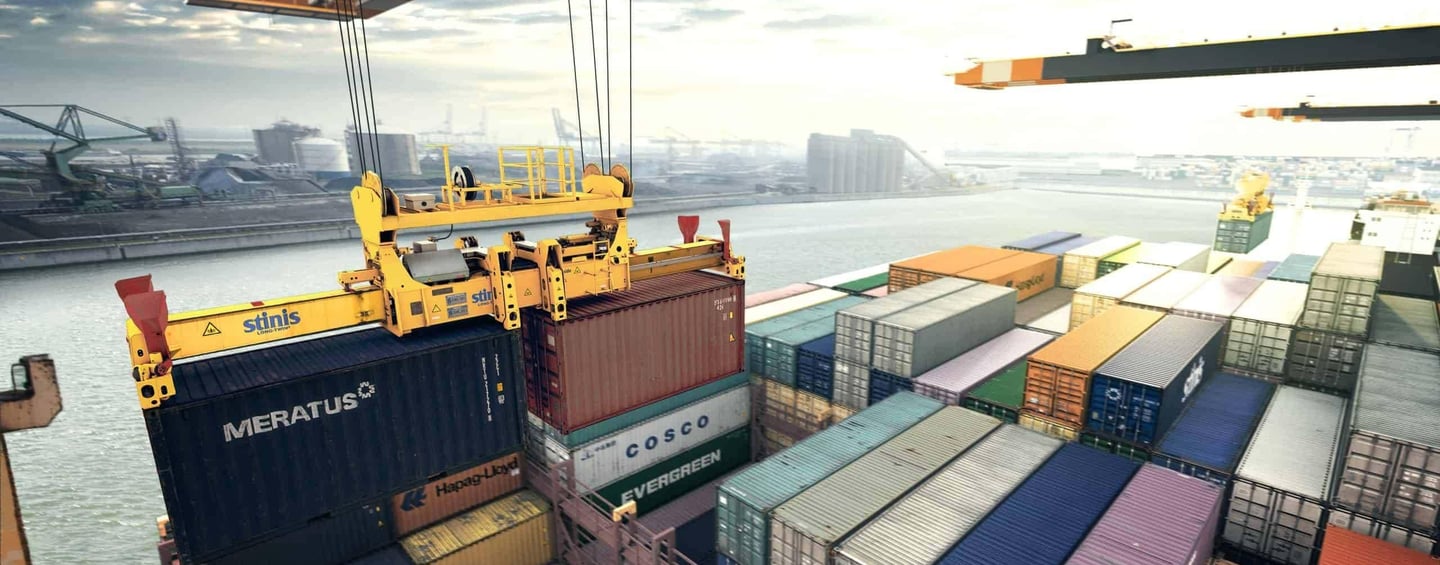
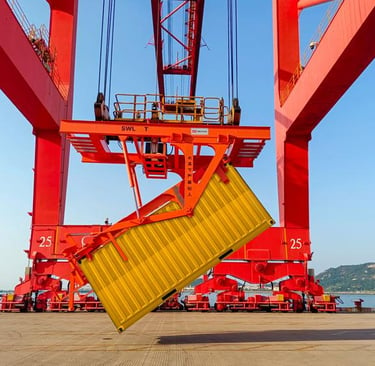
The dramatic transformation of maritime hubs along the Arabian Gulf and the Red Sea has turned Middle Eastern ports into some of the most advanced automated container terminals globally. Facilities such as DP World’s Jebel Ali Port in Dubai, Khalifa Port in Abu Dhabi, King Abdullah Port in Rabigh, and Hamad Port in Qatar process millions of Twenty-Foot Equivalent Units annually. To manage these huge cargo volumes with minimal ship turnaround times, port operators deploy high-speed ship-to-shore (STS) container cranes that run almost continuously. Within these massive engineering systems, the vertical container crane spreader cable serves as a critical link, delivering power, control commands, and real-time data from the main trolley down to the telescopic spreader matrix lifting the containers.
Operating suspended over open ocean waters, a container crane spreader cable functions in one of the most punishing marine environments on Earth. Spreader cables endure a combination of severe environmental and mechanical stresses: high-concentration coastal salt spray, extreme ambient humidity, intense heat, relentless ultraviolet exposure, continuous high-velocity vertical movement, and structural impacts. In these conditions, selecting sub-standard cabling leads to early insulation damage, unexpected downtime, and significant revenue losses.
For the regional maritime market, engineering teams, and technical procurement specialists, choosing a high-performance PUR jacket for a spreader cable used in high salinity conditions is an operational necessity. Polyurethane (PUR) outer protective jackets are frequently preferred over standard polyvinyl chloride (PVC) formulations because they provide superior abrasion resistance, high tear strength, excellent impact resistance, and long-term durability against oils, industrial greases, salt water, and chemical washdowns.
Why Port Salinity and Regional Environments Accelerate Cable Damage
The coastal regions of the Middle East experience a harsh climate that accelerates the degradation of standard industrial polymers. Understanding the chemistry behind this degradation explains why conventional cable insulation often fails early when deployed in the region.
The Impact of Sea Spray and Chloride Ions
The marine atmosphere surrounding mega-ports like Jebel Ali or King Abdullah Port contains a high concentration of aerosolized sea salt particles. Waves breaking against the berths and ship hulls release tiny water droplets that evaporate, leaving behind micro-crystalline sodium chloride particles suspended in the air. This coastal air carries active chloride ions that form a highly conductive, corrosive layer on any surface they touch.
When high ambient humidity—which regularly pushes past 85 percent along the Arabian Gulf during summer months—combines with this salt layer, it creates a continuous electrolyte film. This solution penetrates porous surfaces, speeds up metal corrosion in nearby crane structures, attacks copper grounding braids, and accelerates the chemical breakdown of low-grade rubber and PVC compounds.
Photo-Oxidative Degradation under High Heat and UV Loads
The Middle East experiences high levels of solar radiation, with an exceptionally high UV index year-round. This intense solar load accelerates the aging of cable jackets. When standard PVC or low-grade elastomers are exposed to this environment, ultraviolet photons break down the polymer chains, a process known as photo-cleavage.
In peak summer, ambient temperatures often reach 45 degrees Celsius to 50 degrees Celsius. Direct solar radiation can heat the dark surface of a hanging cable to over 65 degrees Celsius. This intense surface heat accelerates the evaporation of plasticizers from standard PVC materials, causing the jacket to turn brittle, fade, and form surface micro-cracks.
Mechanical Stresses in Vertical Spreader Applications
In spreader applications, these environmental challenges are worsened by continuous mechanical stress. Unlike a gantry cable supported by a protective track, a spreader cable hangs vertically under its own weight, often dropping over distances of 30 to 40 meters from the crane trolley down to the sea-vessel hull.
As the crane hoist lifts and lowers containers at speeds up to 150 meters per minute, the cable experiences constant acceleration forces, structural vibration, and aerodynamic wind load. The combination of intense chemical attack from coastal salt air and continuous mechanical flexing causes micro-cracks in sub-standard jackets to spread quickly. This opens paths for moisture penetration and leads to early insulation failure.
What a Spreader Cable Does
To select the right jacket material, it helps to review the operational role and demanding working conditions of a heavy-duty container crane spreader cable.
Application Role and Circuit Infrastructure
The primary function of a spreader cable is to maintain a reliable power and control link between the crane's primary PLC control cabin and the remote telescopic spreader mechanism. This cable carries the electrical signals that operate the twistlocks, which secure the container corners, control the hydraulic leveling systems, and feed back data from position sensors, load cells, and security cameras.
Because modern ports use automated and semi-automated terminal operating software, any interruption or distortion in these data signals causes the crane's automated safety systems to trigger an immediate emergency stop. This halts the container line until a technician can manually diagnose the issue.
Dynamic Working Conditions
The mechanical lifecycle of a container crane spreader cable involves severe, repetitive physical stress:
Continuous Vertical Hanging: The cable hangs unsupported from the trolley, meaning the upper sections must support the significant hanging weight of the cable assembly under high dynamic tension.
Frequent Rapid Movement: The cable must rapidly flex, loop, and pay out into storage baskets or over counterweighted pulley systems during every container lift cycle.
Severe Physical Impact: When the spreader lands on a container, mechanical shock waves travel up the cable. High coastal winds can also slam the hanging cable loops against the structural steel of the crane boom, causing intense localized impact and friction.
Why PUR Jackets Excel in Marine Service
Polyurethane is an engineered thermoplastic elastomer that offers a well-balanced mix of mechanical toughness and chemical resistance, making it highly effective for heavy maritime cargo handling machinery.
Mechanical Advantages
Superior Abrasion Resistance: PUR jackets have a high resistance to scraping and friction. As a spreader cable moves dynamically into its storage basket or rubs against guide fairleads, the tough polyurethane matrix resists surface wearing much better than standard PVC or chloroprene rubber.
High Tear Strength: Polyurethane features high intermolecular bonding strength, which provides excellent resistance to tearing. If a sharp piece of metal on a container scratches the cable jacket, the PUR material prevents the scratch from tearing further under vertical tension.
Excellent Impact Toughness: The elastic properties of PUR allow it to absorb energy from sudden mechanical impacts. When the cable strikes structural bracing during high winds, the jacket deforms slightly to absorb the energy and then returns to its original shape without cracking.
Long Flex Life: PUR maintains its structural properties over millions of bending cycles, preventing the jacket deformation or sagging that often occurs with standard elastomeric materials under continuous cycle loads.
Chemical Advantages
Excellent Hydrolysis and Salt Water Resistance: Specially formulated polyether-based polyurethane materials provide high resistance to moisture degradation (hydrolysis) and continuous exposure to salt water, preventing chemical breakdown over years of marine service.
High Resistance to Oils and Industrial Greases: Spreader systems rely on heavy lubricants, hydraulic fluids, and anti-corrosion greases. PUR jackets resist these hydrocarbons, preventing the swelling, softening, and structural breakdown that can occur with alternative jacket materials.
Excellent Ozone and Weather Resistance: The chemical backbone of polyurethane offers built-in resistance to ozone cracking and atmospheric oxidation, ensuring long-term reliability in open outdoor maritime terminals.
Comparing Jacket Materials for Heavy Crane Use
The functional differences between Polyurethane (PUR) and Polyvinyl Chloride (PVC) outer jackets become clear when evaluating their performance in heavy-duty port terminal environments:
Abrasion Resistance: PUR provides excellent surface wear protection, resisting continuous friction against storage baskets and guide elements. PVC delivers medium abrasion resistance and tends to wear thin under regular friction.
Flexibility under Dynamic Tensile Load: PUR retains high flexibility and structural shape under continuous vertical tension. PVC provides good initial flexibility but stiffens over time as its structural plasticizers migrate out of the compound.
High Surface Thermal Resistance: PUR maintains its mechanical properties at continuous surface temperatures over 65 degrees Celsius under direct sunlight. PVC has limited thermal stability in extreme heat, which can cause the material to soften or turn brittle over time.
Salt Spray and Moisture Barrier Performance: PUR forms a tight, non-porous moisture barrier that resists salt spray penetration. PVC provides medium baseline protection but can develop micro-fractures when exposed to high salinity combined with UV radiation.
Long-Term Performance on Heavy STS Spreader Systems: PUR is highly durable and engineered for long service life under heavy, continuous duty cycles. PVC has limited suitability for these applications and is generally restricted to lighter-duty hoists or protected indoor setups.
This material contrast shows that while PVC can be a cost-effective choice for indoor factory cranes or lighter material handling systems, it lacks the structural durability required for heavy-duty STS crane spreader systems. Using PUR jackets helps protect the cable assembly from early failure under severe, continuous physical and environmental stress.
Common Failure Modes in Salty Environments
Using standard PVC or lower-grade rubber jackets in high-salinity marine environments typically results in a predictable pattern of mechanical and material breakdown.
The Breakdown Process of Polyvinyl Chloride (PVC)
When a PVC-jacketed cable is deployed on an outdoor marine crane, the combined exposure to high UV radiation and ambient heat drives out the volatile plasticizers that give the material its initial flexibility. As these plasticizers evaporate, the vinyl structure hardens and loses its elasticity.
Under the continuous bending and vertical tension of a spreader system, this embrittled material develops deep surface cracks. Once these cracks form, capillary action draws in highly conductive coastal salt water, allowing moisture to bypass the outer jacket and penetrate the internal cable core.
Consequences for the Cable Assembly and Port Operations
When corrosive salt water penetrates the outer jacket, it causes several serious problems within the internal cable structure:
Rapid Oxidation of Shielding Layers: The salt water quickly oxidizes the internal copper braided screens and shielding elements, breaking down the electromagnetic interference (EMI) protection and causing data transmission errors.
Internal Core Insulation Damage: Moisture penetration can cause electrical tracking across the inner core insulation, leading to phase-to-phase short circuits, unexpected breaker trips, and blown fuses in the crane’s main power room.
Intermittent Control Faults: Corrosion of the delicate control cores can lead to intermittent signal drops. These drops cause the crane’s automation system to report false status errors, halting container operations and requiring time-consuming manual troubleshooting.
Key Real‑World Middle Eastern Port Implementations
To see how material selection affects operations, we can look at several major container ports in the region that face these exact environmental challenges:
1. Jebel Ali Port (Terminal 3) — Dubai, UAE
As a large, highly automated terminal, Jebel Ali operates a massive fleet of deep-water STS cranes. These cranes use fast, heavy-duty spreader systems that run continuously. Early infrastructure projects that utilized standard flexible rubber or PVC-based jackets experienced premature jacket cracking due to the intense combination of ambient heat and high coastal salinity.
By upgrading to specialized polyether-based PUR jacket spreader cables, the port significantly extended its average cable service life. The PUR jackets resist the abrasive desert sand and salt spray, keeping the internal data lines clean and maintaining the reliable connectivity needed for the port's automated scheduling systems.
2. King Abdullah Port (KAP) — Rabigh, Saudi Arabia
Located along the Red Sea coast, King Abdullah Port operates in an environment characterized by extreme summer heat and high humidity levels. The spreader systems here experience significant vertical tension and high thermal loads during long peak-summer shifts.
By deploying high-flexing PUR-sheathed container crane spreader cables, the port ensures that its high-capacity cranes can handle heavy bulk and container loads without unexpected jacket failures or split-sheath faults. This choice avoids the costly unscheduled maintenance stops common with less robust alternative materials.
3. Port of Salalah — Oman
The Port of Salalah experiences unique weather patterns, including the seasonal Khareef monsoon, which brings high winds, heavy moisture, and rapid changes in ambient humidity. Spreader cables here face strong lateral winds that force the suspended cable loops out of their vertical plane, causing significant friction against the crane's guide frames and storage baskets.
Using PUR jackets provides the necessary tear strength and abrasion resistance to withstand these high lateral wind impacts, preventing surface tearing and maintaining long-term reliability during severe weather seasons.
Selecting High‑Performance Spreader Cable Models
When sourcing high-performance polyurethane spreader cables, engineers often specify standardized, globally recognized design families that are proven to withstand severe maritime conditions.
PUR-Sheathed Spreader Cable Models
YVFB-PUR Series: A specialized flat flexible composite cable configuration with a reinforced polyurethane outer jacket. This series is engineered for applications where space is limited and clean, single-plane vertical tracking inside guide baskets is required.
REELING PUR-HF Series: A round, high-flexing power and control cable featuring an integrated central strain-relief member and a premium ether-based PUR outer jacket. This line is designed to handle high-velocity vertical payouts, making it well-suited for high-throughput container terminals.
Feichun Special Spreader PUR Series: Developed specifically for high-salinity and high-temperature port environments, this series incorporates fine-stranded tinned copper conductors, specialized low-friction core insulation, an integrated anti-torsion synthetic braid, and an extra-thick, UV-stabilized polyurethane outer jacket.
Key Selection Criteria for Engineering Teams
When selecting a polyurethane spreader cable for a marine container terminal, project engineers should evaluate several important design parameters:
1. Verify Salinity and Environmental Conditions
Confirm that the polyurethane compound is explicitly formulated as a polyether-based PUR, which provides superior resistance to continuous salt spray, high humidity, and microbial attack compared to polyester-based alternatives.
2. Assess Dynamic Flexing and Bend Radius Requirements
Check the cable’s minimum bending radius for moving applications. Spreader cables typically require a minimum bending radius of 10 to 12 times the cable's outer diameter to prevent internal stress concentration during fast winding and looping cycles.
3. Match Total Vertical Tension Capacity
Calculate the total hanging weight of the cable assembly along with the maximum dynamic acceleration forces of the crane's hoist. Ensure the cable features a robust central strain-relief member—typically made of high-tensile aramid fibers or a specialized synthetic core—capable of supporting these loads without stretching the internal copper conductors.
4. Confirm Resistance to Hydrocarbons and Cleaning Chemicals
Verify that the outer jacket compound is certified as oil-resistant according to international standards like EN 60811-404, ensuring it will not soften or degrade when exposed to hydraulic fluids or mechanical greases.
5. Check Low and High Temperature Flexibility
Ensure the PUR formulation is rated to maintain full elasticity across the entire expected temperature range, from cool winter nights to peak summer daytime conditions under direct sunlight.
Comprehensive Procurement Checklist
When preparing technical specifications or reviewing commercial bids for port crane upgrades, procurement teams can use this checklist to ensure compliance with high-quality standards:
Jacket Specification: Specify a high-durability, UV-stabilized, polyether-based polyurethane (PUR) outer jacket in the technical data sheet.
Conductor Base Material: Require flexible Class 5 or Class 6 fine-stranded tinned copper conductors to provide high flex life and resistance to galvanic corrosion.
Internal Anti-Torsion Reinforcement: Verify that an integrated high-tensile synthetic fiber braid is firmly embedded between the inner and outer sheaths to prevent cable twisting and corkscrewing.
Environmental Testing Validation: Request official laboratory test reports confirming compliance with salt spray resistance standards (such as EN 60068-2-11) and UV aging tests.
Mechanical Endurance Ratings: Confirm that the manufacturer provides documented type-test data showing reliable performance over extended vertical flex cycles under continuous tension.
Handling and Installation Documentation: Request detailed vertical installation guidelines from the manufacturer to ensure correct tracking alignment and prevent structural twist during initial setup.
Conclusion
Sourcing the right container crane spreader cable for high-salinity marine environments is a critical decision that directly affects terminal reliability, operational safety, and overall lifecycle maintenance costs. Standard PVC jackets are more vulnerable to early aging, heat embrittlement, and surface cracking, which can allow salt water to penetrate and cause serious internal electrical faults.
Upgrading to a high-performance PUR jacket provides the mechanical toughness and chemical resistance needed to withstand the severe conditions of Middle Eastern ports. With their high abrasion resistance, excellent tear strength, built-in UV stability, and reliable performance against salt water and industrial oils, polyurethane-sheathed cables ensure uninterrupted power and data transmission. For major container terminals where maximizing productivity and minimizing unscheduled downtime are top priorities, investing in premium PUR spreader cables is a dependable choice for long-term operational success.
Contact Us for Engineering Technical Inquiries and Quotes
Are you managing a port expansion project, crane automation upgrade, or looking to replace failing cables in a high-salinity environment? Feichun specializes in engineering high-durability, polyurethane-sheathed power, control, and data transmission cables tailored for severe marine and heavy-duty industrial applications. Contact our technical sales team today to discuss your project requirements, request detailed product datasheets, or obtain a comprehensive commercial price quotation.
Technical Frequently Asked Questions (FAQs)
Why do container crane spreader cables require specialized PUR jackets instead of standard rubber or PVC?
Spreader cables endure a demanding mix of vertical tension, continuous fast flexing, mechanical impacts, and direct exposure to marine salt spray. Standard PVC jackets tend to turn brittle and crack when exposed to high ambient heat and intense UV radiation. While heavy rubber sheaths provide good flexibility, specialized polyether-based PUR jackets offer significantly higher abrasion resistance, superior tear strength, and excellent defense against hydraulic oils and coastal salt water, which helps extend the cable's service life on high-throughput STS cranes.
How does coastal salt spray cause damage to internal cable conductors?
If an outer cable jacket develops micro-cracks due to UV exposure or mechanical friction, capillary action draws in highly conductive coastal salt water. This moisture penetrates the inner cable core, where it quickly oxidizes copper braided screens and shielding elements. This breakdown destroys electromagnetic interference (EMI) protection, causes critical data transmission drops, and can lead to phase-to-phase short circuits within the main power cores.
What is the practical difference between polyether-based PUR and polyester-based PUR jackets for port applications?
For maritime and outdoor coastal installations, polyether-based polyurethane is the preferred choice. Polyester-based PUR formulations are vulnerable to moisture breakdown, known as hydrolysis, when exposed to high humidity and continuous salt water. Polyether-based PUR provides built-in resistance to water-induced degradation, high humidity, and microbial attack, ensuring the jacket maintains its mechanical toughness over years of coastal service.
Can PUR-jacketed spreader cables operate reliably during extreme Middle Eastern summers?
Yes, premium polyether-based PUR jackets are engineered to maintain structural integrity and flexibility across a wide temperature range. They are designed to withstand continuous surface temperatures exceeding 65 degrees Celsius under direct sunlight without softening, cracking, or losing their mechanical properties, making them well-suited for ports across the GCC region.
What role does the internal anti-torsion braid play in a vertical spreader cable?
A vertical spreader cable experiences significant torsional stress as it is continuously raised, lowered, and subjected to lateral wind loads. An integrated high-tensile synthetic textile braid is embedded between the inner and outer sheaths to absorb these forces. This structural braid stops the cable from twisting or corkscrewing, protecting the internal copper conductors from mechanical damage and strain.
What information should be provided to obtain an accurate commercial quotation for a replacement spreader cable?
To ensure an accurate technical and financial quotation, please provide the complete electrical load profile (current and voltage requirements), the exact number and cross-section of power and control cores, any specific fiber-optic or data integration needs, the total vertical hanging length, the maximum operating speed of the hoist system, and details about the environmental conditions, such as salt spray levels and ambient temperatures.
Port crane cables | Mining cables | Reeling cables | Trailing cables | Festoon cables | Heavy-duty power cables | Medium voltage cables | Offshore crane cables | Underground mining cables | Dragline cables | Shearer cables | Container handling cables | STS crane cables | RTG cables | Mobile equipment cables | Armored cables | Flexible power cables | VFD cables | Submersible cables | Cold resistant cables | Abrasion resistant cables | Flame retardant cables | Marine environment cables | Opencast mining | Underground operations
© 2006 All rights reserved.
[INDUSTRIAL_CABLES]
INDUSTRIAL GRADE CABLE SYSTEMS | PORT & MINING SOLUTIONS
TEL: +86 153 7530 2641 |MAIL: hongjing.Wang@feichuncables.com