Resilience Under Severe Mechanical Stress: Why Rubber-Insulated Cables Outperform PVC in High-Vibration Mining and Processing Machinery
See why rubber-insulated cables outperform PVC in high-vibration mining equipment, offering better flexibility, shock resistance, and long-term durability.
hongjing.Wang@Feichun
7/27/202614 min read
1. Introduction: Why Vibration Changes Cable Selection Requirements
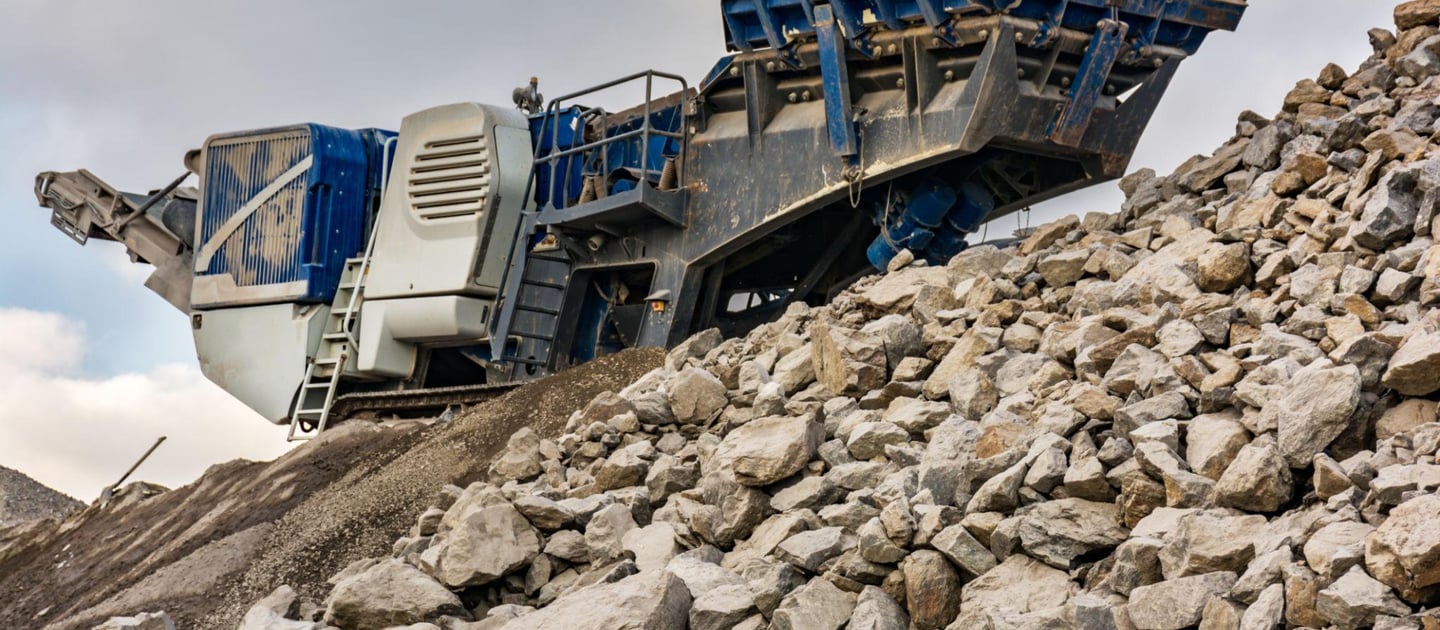
Electrical infrastructure in mining and heavy industrial processing facilities faces some of the most destructive operating environments on earth. Across Australian mining regions—from the iron ore processing hubs of the Pilbara in Western Australia to the coal basins of the Hunter Valley in New South Wales and the hard-rock operations of Queensland—cables are subjected to forces that extend far beyond standard current-carrying demands.
While general industrial wiring is specified primarily based on conductor cross-section, thermal capacity, and rated voltage, mining equipment cable applications demand a fundamentally different engineering focus: long-term resistance to severe, uninterrupted mechanical fatigue.
When electrical cables are connected to heavy mining plant, the primary cause of sudden cable failure is rarely electrical breakdown from pure overcurrent. Instead, structural failure typically stems from repeated mechanical stress generated by continuous low-frequency, high-amplitude vibration, sudden impact shocks, multi-axis flexing, and structural harmonic movement. In high-vibration equipment, a cable that cannot absorb mechanical shock will slowly degrade from the inside out.
Standard PVC-sheathed power cables, which perform satisfactorily in static cable trays or light-duty factory conduits, rapidly suffer material fatigue when subjected to continuous structural shaking.
Selecting a cable for harsh mining and industrial plant requires evaluating the mechanical elasticity, internal damping behavior, and fatigue resistance of both the insulation and the outer sheath. Standard flexible PVC compounds, despite being cost-effective and widely available, lack the molecular resilience necessary to withstand millions of continuous vibration cycles.
When installed on processing plant, rigid or semi-rigid materials crack, experience conductor strand migration, develop internal micro-fractures, and ultimately short-circuit. Switching to purpose-built, rubber-insulated and elastomeric-sheathed cables is not merely an optional upgrade; it is a foundational maintenance requirement for preventing unplanned production shutdowns, protecting downstream capital assets, and maintaining site safety across Australian industrial operations.
2. Severe Mechanical Conditions in High-Vibration Mining and Processing Equipment
To understand why cable construction matters, it is useful to examine the physical forces generated by primary processing equipment used across Australian mining, quarrying, and bulk materials handling plants.
PROCESSING PLANT VIBRATION DYNAMICS EQUIPMENT TYPE PRIMARY MECHANICAL ACTION MECHANICAL DRESS ON CABLE ---------------- ------------------------------ ---------------------------- 1. Jaw & Cone Crushers -----> High-Impact Compression -----> Low-Frequency High-G Shock 2. Vibrating Screeners -----> Multi-Directional Shaking -----> Continuous High-Frequency Flex 3. Mill Drives -----> Heavy Rotational Torque -----> Torsional & Low-Frequency Hum 4. Conveyor Drives -----> Dynamic Belt Start/Stop -----> Tensile Snap & Constant Vibration
Primary and Secondary Crushers
Jaw crushers, cone crushers, and gyratory crushers reduce massive ore boulders down to manageable aggregate sizes through high-impact compression forces. These machines transmit continuous, high-G shock loads directly through their supporting steel frameworks into attached electrical conduit, terminal boxes, and flexible feed leads. Cables connected to crusher drive motors, hydraulic power units, and lubrication skids must endure severe shock loads without internal conductor separation or insulation split.
Vibrating Screeners and Decking
Vibrating screens and deck classifiers utilize eccentric drive motors to oscillate heavy screen boxes at high frequencies, separating crushed rock by particle size. The electrical cables supplying these vibrating drive motors undergo uninterrupted, multi-directional shaking and localized whipping. If a cable lacks extreme physical flexibility and internal strand damping, the continuous flexing at the gland entry point causes rapid sheath fatigue and strand fracture.
Mill Drives (SAG and Ball Mills)
Comminution circuits rely on massive Semi-Autogenous Grinding (SAG) mills and ball mills to grind ore into fine slurry. The driving motors, gearboxes, and auxiliary lubrication pumps operate under immense rotational torque and heavy harmonic vibration. The associated power and control cables must accommodate continuous structural hum, low-frequency frame movement, and ambient thermal buildup without experiencing material stiffening.
Conveyor Drives and Transfer Stations
Heavy-duty overland conveyors and port transfer stations transport thousands of tonnes of material per hour. Conveyor drive motors, tensioning winches, and tripper cars subject cables to continuous low-level operational vibration coupled with sudden high-tensile shock loads during startup and stopping sequences. Cables hanging in proximity to conveyor frames are also subjected to continuous belt chatter and localized impact from falling ore lumps.
Because processing equipment operates continuously under these aggressive dynamic forces, the electrical cable must serve as a active shock-absorbing element rather than a passive, rigid conductor housing.
3. The Elastic Advantage: Why Rubber Absorbs Mechanical Shock and Vibration
The superior performance of rubber-sheathed cables in high-vibration applications stems directly from the fundamental polymer physics of elastomeric compounds compared to thermoplastic materials.
RUBBER VS PVC MOLECULAR STRUCTURE UNDER VIBRATION RUBBER (Cross-Linked Elastomer): [ Flexible Polymer Chains ] === (Chemical Cross-Links) === [ Absorbs & Dampens Energy ] -> Retains shape, absorbs shock, resists fatigue cracking. PVC (Un-Cross-Linked Thermoplastic): [ Rigid Parallel Chains ] ... (Weak Intermolecular Bonds) ... [ Transmits Stress ] -> Stiffens under strain, accumulates fatigue, develops micro-cracks.
Rubber compounds—such as Ethylene Propylene Rubber (EPR), Polychloroprene (PCP / Neoprene), Chlorosulfonated Polyethylene (CSM), and Ethylene Vinyl Acetate (EVA)—are cross-linked thermosetting polymers. During the vulcanization process, chemical cross-links form an interconnected three-dimensional molecular network. This molecular geometry endows rubber with high elastic memory and internal mechanical damping capacity.
When a rubber-insulated cable experiences a sudden impact or high-frequency vibration cycle, the cross-linked polymer chains deform elastically, absorbing kinetic energy within the molecular structure and converting it into harmless thermal dissipation. Once the mechanical force subsides, the rubber returns to its original physical shape without suffering permanent deformation, strain hardening, or structural displacement.
In dynamic mining applications, rubber acts as an internal shock absorber. It cushions the individual tinned copper conductor strands, preventing them from rubbing against one another, migrating through the insulation, or concentrating fatigue stresses at localized pinch points.
Furthermore, high-grade elastomeric outer sheaths maintain high tear propagation resistance, cut resistance, and structural elasticity across broad operating temperature ranges. Whether operating in the sub-zero winter temperatures of alpine mining regions or exposed to intense solar radiation where metal decks reach temperatures exceeding 70 degrees Celsius, rubber maintains its dampening properties without softening or embrittling.
4. The Structural Weaknesses of PVC in High-Vibration Environments
Polyvinyl Chloride (PVC) is a widely used thermoplastic material that provides an economical, easy-to-install solution for fixed industrial wiring, building services, and static commercial infrastructure. However, the physical properties that make PVC attractive for static installations render it inherently unsuitable for continuous high-vibration mining machinery.
PVC is composed of long-chain linear polymers that are held together by relatively weak intermolecular forces rather than permanent chemical cross-links. To make rigid PVC flexible enough for cable manufacturing, chemical plasticizers are added to the formulation. Under static conditions, these plasticizers allow the polymer chains to slide past one another. However, when subjected to dynamic mechanical stress and harsh Australian ambient conditions, PVC exhibits clear structural failure mechanisms:
PVC STRUCTURAL DEGRADATION MECHANISMS Continuous Vibration & Heat ---> Accelerated Plasticizer Migration | Material Hardening & Loss of Elasticity <--+ | Micro-Fissure Formation under Shock Loads <--+ | [ CATASTROPHIC JACKET SPLITTING & MOISTURE INGRESS ]
Plasticizer Migration and Material Embrittlement
Under continuous vibration, high ambient heat, and intense Australian solar UV exposure, the chemical plasticizers blended into PVC migrate to the surface and evaporate or leach out into surrounding oils and dirt. As plasticizers are lost, the PVC sheath rapidly hardens, loses its flexibility, and turns brittle.
Work Hardening and Fatigue Cracking
Unlike rubber, which dampens kinetic energy, PVC absorbs mechanical vibration through elastic deformation only up to a low threshold. Continuous flexing causes the polymer chains to align tightly, inducing work hardening. Once work-hardened, the PVC outer sheath can no longer flex under machine movement. Microscopic fissures develop along stress lines, expanding into deep transverse cracks that penetrate through the outer jacket to the internal cores.
Cold Embrittlement and Heat Softening
PVC compounds exhibit narrow thermal operating windows. In cold conditions—such as night shifts in desert mining basins—PVC becomes exceptionally rigid, rendering it susceptible to cracking upon sudden machine impact or bending. Conversely, when exposed to engine heat, ambient temperatures above 45 degrees Celsius, or direct summer sunlight, standard PVC softeners relax excessively, dramatically reducing the sheath's tear propagation resistance and cut strength.
Lack of Internal Strand Support
Because PVC insulation compounds are relatively rigid, they do not mold elastomeric support tightly around individual tinned copper strands. Under continuous high-frequency vibration, individual copper strands rub against the rigid inner wall of the PVC insulation. This friction wears away insulation thickness while simultaneously causing metal work hardening, resulting in conductor strand fractures inside an apparently undamaged outer sheath.
5. Direct Comparative Analysis: Rubber Cables vs. PVC Cables
To evaluate the operational suitability of cable materials for processing plant, engineers must examine key physical characteristics in direct comparison.
Elastic Memory and Shock Damping
Rubber cables feature high elastic recovery, allowing them to absorb multi-axis vibration, severe shock loads, and repeated impact without permanent deformation. In contrast, PVC cables possess low elastic memory, meaning mechanical energy is transmitted directly into the inner conductors, leading to rapid work hardening and material fatigue.
Dynamic Flexing Endurance
A purpose-built rubber cable withstands millions of continuous reversed bending cycles and heavy vibration oscillations without structural degradation. A PVC cable offers limited dynamic flexing cycles, stiffening rapidly under continuous movement and developing outer sheath cracks.
Thermal Operating Window
Heavy-duty rubber cables maintain complete mechanical elasticity and structural integrity across an expansive operating range, typically from minus 40 degrees Celsius (or minus 50 degrees Celsius static) up to plus 90 degrees Celsius at the conductor (with short-circuit ratings up to 250 degrees Celsius). Standard PVC cables feature a restricted dynamic window, typically softening above 60 degrees Celsius and embrittling below minus 10 degrees Celsius.
Resistance to Environmental Hazards
Vulcanized rubber sheaths—such as PCP, CSM, or PUR—demonstrate inherent resistance to mineral oils, hydraulic fluids, diesel fuel, ozone, and intense UV radiation. Standard PVC sheaths exhibit poor resistance to industrial oils, absorbing hydrocarbons, swelling, and dissolving plasticizer bonds, which accelerates jacket breakdown.
Abrasion and Cut Propagation
When dragged across sharp steel structures, rock aggregate, or vibratory feeder frames, rubber compounds resist cut propagation and tearing due to their high tear-strength cross-linking. PVC possesses low tear propagation resistance; once a minor cut forms, continuous vibration causes the tear to zip along the length of the cable sheath.
For mining and heavy industrial readers, this comparison makes the conclusion clear: while PVC offers lower initial material costs, rubber cables deliver lower total cost of ownership through extended service life, reduced maintenance interventions, and eliminated downtime on high-vibration assets.
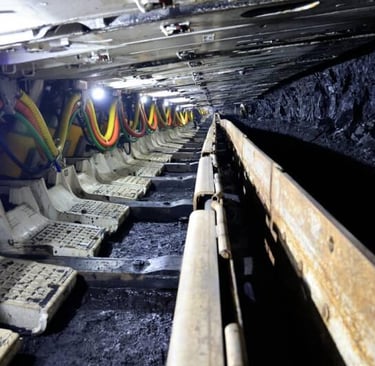
6. The Engineering Strength of the EPR + PCP Layered Construction
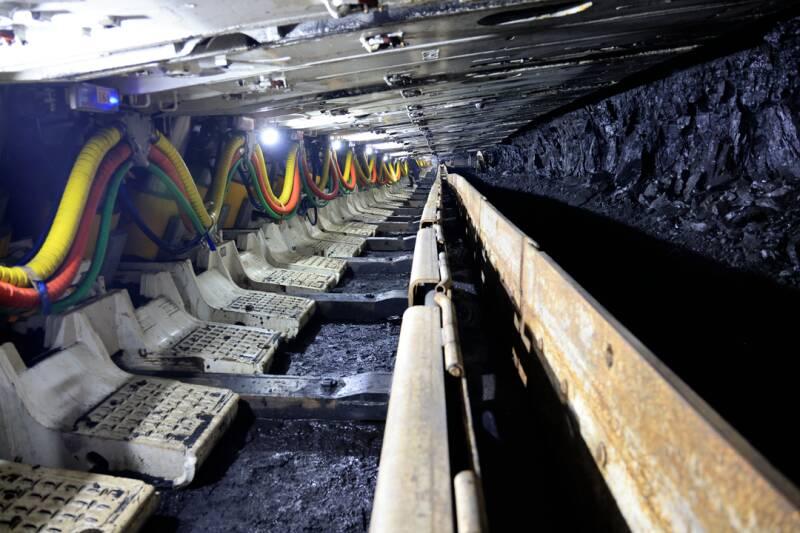
Among heavy-duty rubber cable designs, the combination of Ethylene Propylene Rubber (EPR) insulation with a Polychloroprene (PCP / Neoprene) outer jacket represents an industry-proven construction for high-vibration mining and industrial machinery.
EPR + PCP DUAL-LAYER PROTECTION SYSTEM [ Outer PCP Jacket ] Mechanical Armor: Tough, Flame-Retardant, Oil & UV Resistant [ Inner Bedding ] Elastomeric Buffer: Absorbs Dynamic Shock & Fills Interstices [ EPR Insulation ] Electrical Core: High Dielectric Strength, Extreme Flexibility [ Copper Conductor ] Finely Stranded Class 5 Tinned Copper Strand Assembly
Ethylene Propylene Rubber (EPR) Core Insulation
EPR is a high-grade thermosetting elastomeric compound utilized for phase conductor insulation. It provides several key engineering advantages:
High Dielectric Strength and Thermal Stability: EPR maintains exceptional electrical insulation properties across continuous operating temperatures up to 90 degrees Celsius, handling high thermal loads generated by heavily loaded mill drives and crushers.
Extreme Mechanical Flexibility: EPR remains soft and flexible even at low temperatures, allowing individual phase cores to flex smoothly inside the cable assembly without placing mechanical strain on the conductor strands.
Moisture and Chemical Resistance: EPR resists water absorption, preventing dielectric breakdown even if moisture penetrates the outer sheath assembly in wet processing circuits.
Polychloroprene (PCP) Heavy-Duty Outer Jacket
PCP (commercially classified under standards such as Type 5GM3 or 5GM5) serves as the primary exterior mechanical barrier. Its properties include:
High Mechanical Toughness and Tear Strength: PCP provides exceptional resistance to abrasion, crushing, and cut propagation caused by vibration against steel frames or rock debris.
Flame Retardancy and Chemical Stability: PCP is inherently self-extinguishing and flame-retardant, offering resistance to hydraulic oils, grease, lubricants, and acidic mine water splashes.
Weathering and Ozone Immunity: The vulcanized molecular structure of PCP prevents surface oxidation, cracking, and chalking caused by intense solar UV exposure and atmospheric ozone.
When EPR insulation and a PCP outer jacket are combined with vulcanized rubber inner bedding that fills all internal interstices, the result is a unified, void-free cable assembly. Under continuous vibration, this solid elastomeric matrix distributes mechanical energy evenly across the entire cross-section, eliminating localized stress concentrations and providing long operational life.
7. Practical Cable Product Solutions for High-Vibration Applications
To illustrate how these engineering principles are applied in real-world machinery, consider three representative flexible cable solutions from Feichun Cable engineered specifically for high mechanical stress, continuous vibration, and demanding environmental exposure.
Feichun (N)SHTÖU Heavy-Duty Reeling and Processing Plant Cable
The Feichun (N)SHTÖU cable family is a heavy-duty rubber-sheathed flexible cable designed specifically for mobile equipment, processing plant connections, and reeling systems subjected to high mechanical stresses, severe vibration, and harsh outdoor environments.
FEICHUN (N)SHTÖU ARCHITECTURE [ Conductors ] Finely Stranded Class 5 Tinned Electrolytic Copper [ Core Insulation] High-Grade EPR Rubber Compound (Type 3GI3) [ Inner Sheath ] Vulcanized Synthetic Rubber Bedding Layer [ Reinforcement ] High-Tensile Polyester Anti-Twist Braid [ Outer Sheath ] Heavy-Duty Black PCP Rubber Compound (Type 5GM3)
Construction and Insulation: Built with finely stranded Class 5 tinned electrolytic copper conductors insulated with high-grade EPR rubber (Type 3GI3). The inner cores are wrapped in a vulcanized rubber bedding layer with an embedded synthetic anti-twist braid, encased in a heavy-duty black PCP outer sheath (Type 5GM3).
Vibration and Mechanical Performance: The combination of EPR insulation, pressure-extruded rubber bedding, and an anti-twist braid enables the (N)SHTÖU cable to absorb high-frequency vibration and heavy shock loads without core displacement or strand fatigue.
Application Suitability: Well suited for connections to heavy jaw crushers, vibrating screen drives, mobile stackers, ship loaders, and spring-operated cable reels across Australian mining and export terminals. Operating thermally from minus 25 degrees Celsius to plus 90 degrees Celsius under dynamic flexing conditions, it provides complete resistance to oil, UV radiation, and severe surface wear.
Feichun EASYFLEX (N)7YRDGÖU-J Flexible Cable for Reeling and Machine Drives
The Feichun EASYFLEX (N)7YRDGÖU-J cable is a low-voltage flexible connection cable engineered for simple reeling applications, spring reels, and machine supply leads in demanding industrial environments.
FEICHUN EASYFLEX (N)7YRDGÖU-J SPECIFICATIONS [ Rated Voltage ] 0.6/1 kV (Max AC Permissible 0.7/1.2 kV) [ Core Insulation] ETFE for High Mechanical Strength & Dielectric Stability [ Inner Sheath ] High-Elasticity EPR Rubber Base Compound [ Outer Sheath ] Ethylene Vinyl Acetate (EVA) High-Performance Elastomer [ Thermal Range ] -35°C to +80°C Fully Flexible (-50°C Static)
Advanced Material Design: Features finely stranded Class FS electrolytic copper conductors insulated with Fluorinated Ethylene Propylene / ETFE, providing high mechanical strength and electrical stability. The inner bedding consists of high-elasticity EPR rubber, while the protective outer jacket is made from Ethylene Vinyl Acetate (EVA) elastomer.
Mechanical Capabilities: Rated for dynamic reeling travel speeds up to 80 meters per minute and a tight dynamic minimum bending radius of 6 times overall diameter (6 x D). It easily passes rigorous reversed bending and dynamic reeling tests.
Environmental Versatility: Operating in fully flexible applications from minus 35 degrees Celsius to plus 80 degrees Celsius (and down to minus 50 degrees Celsius in fixed installations), it provides an ideal solution for wastewater treatment machinery, outdoor conveyor drives, and mobile screeners exposed to dynamic motion and severe weather swings.
Feichun TROMMELFLEX PUR-HF D12Y11YU11Y-J/O Halogen-Free Polyurethane Reeling Cable
The Feichun TROMMELFLEX PUR-HF D12Y11YU11Y series represents a heavy-duty, halogen-free flexible cable engineered for extreme mechanical stresses, continuous high-speed reeling, and aggressive physical wear.
FEICHUN TROMMELFLEX PUR-HF (D12Y11YU11Y) LAYOUT [ Center Core ] Central Textile Support Carrier Unit [ Conductors ] Flexible Class 5 Plain Copper (Short Lay Length) [ Core Insulation] Halogen-Free Polyester Compound [ Inner Sheath ] Flame-Retardant Halogen-Free Polyurethane (PUR) [ Reinforcement ] Open Braiding of Support Threads (Anti-Torsion) [ Outer Sheath ] Ultra-Tough, Flame-Retardant Black Polyurethane Sheath
Advanced Structural Design: Incorporates a central textile strain-relief carrier unit surrounded by flexible Class 5 copper cores twisted with short lay lengths to optimize dynamic flex fatigue life. The inner and outer sheaths are constructed from high-grade, halogen-free polyurethane (PUR) separated by an open anti-torsion support braid.
Extreme Mechanical Ratings: Capable of handling maximum tensile loads up to 25 N/mm² on conductors, torsional stress up to plus or minus 50 degrees per meter, and unlimited travel speeds in reeling operation (up to 180 meters per minute in festoon systems). Features a tight dynamic bending radius of 6 x D.
Chemical and Environmental Resistance: Rated for permanent water immersion up to 50 meters diving depth, flame retardant according to IEC 60332-1, and operating flexibly down to minus 40 degrees Celsius. It offers an exceptionally tough solution for heavy mining crushers, submersible dredges, mobile stackers, and high-speed reeling machines where extreme cut resistance, water immersion, and vibration resistance are paramount.
8. Root Cause Analysis: How Mechanical Vibration Drives Cable Failure
Understanding the physical progression of vibration-induced cable failure highlights why selecting the correct sheath and insulation material is critical for operational longevity.
STAGES OF CABLE DEGRADATION UNDER VIBRATION [ STAGE 1 ] Mechanical Stress Concentration at Gland & Clamp Points | [ STAGE 2 ] Conductor Strand Work-Hardening & Micro-Fracturing | [ STAGE 3 ] Inner Insulation Rubbing, Friction Heating & Thinning | [ STAGE 4 ] Outer Sheath Fatigue Cracking & Environmental Ingress | [ STAGE 5 ] CATASTROPHIC SHORT CIRCUIT / PHASE-TO-GROUND FAULT
Stage 1: Stress Concentration at Fixed Boundaries
Vibration travels along the length of a cable as mechanical waves. When these waves reach a fixed termination point—such as a cable gland on a crusher motor, a terminal box on a vibrating screener, or a rigid support clamp—the mechanical energy cannot travel further. The boundary converts kinetic energy into high shear stress concentrated precisely at the gland entry.
Stage 2: Conductor Strand Work-Hardening
Inside a rigid or un-damped cable, individual copper strands absorb these shear stresses directly. Continuous cyclic bending forces the crystalline structure of the copper to shift, causing localized work-hardening. Over time, the copper loses its ductility, microscopic fractures propagate across individual strands, and strands begin snapping under normal operating loads.
Stage 3: Internal Friction and Insulation Thinning
As broken strand ends rub against neighboring conductors under continuous vibration, localized friction generates heat. In cables with rigid insulation (such as standard PVC), the broken copper strands press into the inner wall of the insulation layer. Continuous vibration slowly saws through the insulation wall, reducing dielectric strength between phase conductors or ground earth cores.
Stage 4: Outer Sheath Fatigue Cracking
Simultaneously, the outer sheath endures continuous reversed flex cycles. In materials lacking cross-linked elastomeric memory, plasticizer loss and work hardening cause micro-cracks on the exterior surface. These cracks act as stress risers, expanding rapidly under machine oscillation.
Stage 5: Moisture and Oil Ingress Leading to Flashover
Once the outer sheath ruptures, mine water, acidic slurry, hydraulic oils, and conductive ore dust enter the interior of the cable. Moisture fills the internal voids, creating tracking paths across the thinned insulation walls. The end result is a phase-to-phase short circuit or catastrophic phase-to-ground flashover, tripping circuit breakers, damaging motor terminals, and halting machine operation.
By deploying rubber-insulated cables with EPR or halogen-free polyester cores, vulcanized pressure-extruded bedding, and heavy-duty PCP or PUR outer jackets, stages 2 through 5 are effectively eliminated. The elastomeric matrix dampens wave energy before it can work-harden copper strands or split exterior sheaths.
9. Engineering Guide: How to Select the Right Cable for High-Vibration Machinery
When specifying replacement cables or designing power feeds for new mining and processing plant, engineering teams should evaluate five primary application criteria to ensure maximum operational reliability:
APPLICATION SELECTION MATRIX EVALUATION STEP KEY SELECTION PARAMETERS ----------------------- ------------------------------------------------- 1. Vibration Profile Assess amplitude, frequency, and shock load G-force 2. Dynamic Motion Determine flexing frequency, travel speed, and radius 3. Chemical Exposure Identify presence of hydraulic oils, diesel, acidic water 4. Ambient Temperature Evaluate thermal swings (-35°C to +80°C/90°C surface) 5. Strain Requirements Calculate axial pulling tension and torsional torque
Step 1: Quantify the Vibration and Shock Profile
Identify whether the machine generates high-frequency continuous oscillation (such as vibrating screeners and classifiers) or low-frequency high-G impact shocks (such as jaw crushers and primary breakers). For high-frequency oscillation, prioritize fine Class 5 or Class FS tinned copper strand layouts with high-elasticity EPR or ETFE insulation. For high-impact shock, ensure the cable features pressure-extruded rubber bedding that fills all internal core voids.
Step 2: Calculate Flexing Radius and Motion Frequency
Determine whether the installation involves simple static-flexible connections or continuous reeling, festooning, or drag-chain movement. Check the equipment's physical mounting space and verify that the cable's dynamic minimum bending radius (e.g., 5 x D or 6 x D) is fully respected. For high-speed reeling applications, select high-grade specialized constructions such as Feichun TROMMELFLEX PUR-HF D12Y11YU11Y or EASYFLEX (N)7YRDGÖU-J.
Step 3: Audit Oil, Chemical, and Environmental Exposure
Examine the operating environment for chemical hazards. If the cable is routed near hydraulic power units, engine compartments, or oily processing floors, specify an oil-resistant Polychloroprene (PCP) or Polyurethane (PUR) outer sheath compliant with IEC 60811-2-1 standards. For direct sunlight exposure across Australian desert sites, ensure the outer compound is fully UV-stabilized and weather-resistant.
Step 4: Verify Thermal Operating Range and Current Derating
Calculate maximum expected conductor temperatures, accounting for full electrical load plus ambient solar heat absorption on dark cable sheaths. Confirm that the core insulation (such as EPR) is rated for 90 degrees Celsius continuous conductor operation and apply appropriate derating factors for high ambient temperatures in accordance with local installation standards (such as AS/NZS 3008).
Step 5: Evaluate Tensile Load and Anti-Torsion Needs
For applications where cables are pulled, paid out under tension, or subjected to machine rotation, check maximum permissible tensile strength (expressed in N/mm² of total copper section). Where rotational slewing or twisting forces exist, mandate cables incorporating an embedded synthetic anti-twist braid or central textile strain-relief carrier to protect phase conductors from torsional stress.
10. System Reliability and Cost-Benefit Summary
In high-vibration industrial machinery, electrical cables are subjected to continuous mechanical forces that rapidly exceed the physical capabilities of standard thermoplastic materials. While PVC cables serve a clear purpose in static commercial and light industrial installations, their rigid molecular structure, susceptibility to plasticizer migration, and poor fatigue resistance make them an operational liability on mining equipment, crushers, screeners, mill drives, and conveyor systems.
Rubber-insulated and elastomeric-sheathed cables—featuring EPR core insulation, pressure-extruded rubber bedding, synthetic anti-twist reinforcement, and heavy-duty PCP, PUR, or EVA outer sheaths—provide superior elastic memory, high mechanical damping, and long-term dynamic flexing resilience. By absorbing kinetic energy within their cross-linked polymer matrix, rubber cables cushion internal copper conductors, resist fatigue cracking, withstand extreme Australian UV and thermal swings, and prevent oil and water ingress.
Deploying purpose-built heavy-duty rubber cables—such as the Feichun (N)SHTÖU, EASYFLEX (N)7YRDGÖU-J, and TROMMELFLEX PUR-HF D12Y11YU11Y series—delivers a clear engineering benefit: eliminated premature cable failures, protected capital equipment, enhanced personnel safety, and lowered total cost of ownership across heavy industrial operations.
In high-vibration mining and heavy processing machinery, cable durability is a mechanical engineering priority; choosing purpose-built rubber-insulated cables ensures built-to-last reliability where PVC quickly reaches its limits.
Single Specific Follow-Up Question
Would you like to review specific current-carrying capacity derating factors or custom core configuration options for an upcoming equipment refurbishment project?
Port crane cables | Mining cables | Reeling cables | Trailing cables | Festoon cables | Heavy-duty power cables | Medium voltage cables | Offshore crane cables | Underground mining cables | Dragline cables | Shearer cables | Container handling cables | STS crane cables | RTG cables | Mobile equipment cables | Armored cables | Flexible power cables | VFD cables | Submersible cables | Cold resistant cables | Abrasion resistant cables | Flame retardant cables | Marine environment cables | Opencast mining | Underground operations
© 2006 All rights reserved.
[INDUSTRIAL_CABLES]
INDUSTRIAL GRADE CABLE SYSTEMS | PORT & MINING SOLUTIONS
TEL: +86 153 7530 2641 |MAIL: hongjing.Wang@feichuncables.com