
The Evolution of Type 209 and Type 210 Mining Cables in Modern Infrastructure Projects
Learn why Type 209 and Type 210 mining cables remain essential in modern projects, from Australian standards to heavy-duty mining applications and equipment compatibility.
hongjing.Wang@Feichun
7/15/202611 min read
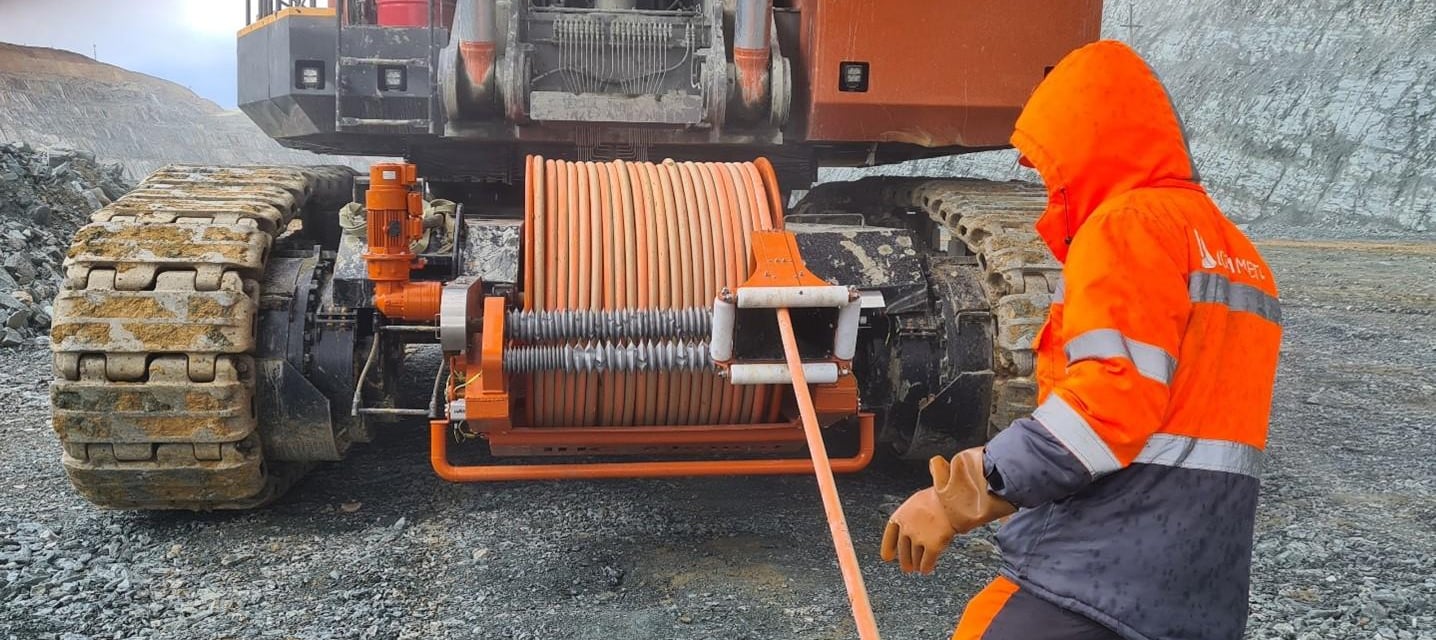
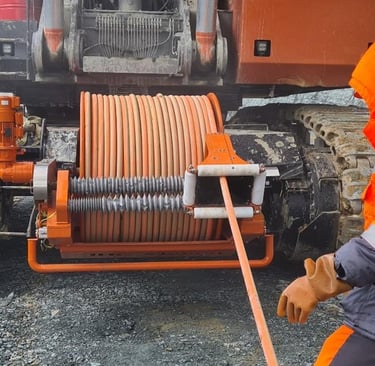
In the world of heavy industrial engineering, particularly within the resource-rich corridors of Australia, South Africa, and the Middle East, a profound engineering truth remains self-evident: true reliability is built on historical performance, not marketing trends. While modern smart technologies and digital monitoring systems frequently dominate corporate procurement discussions, the physical backbone of underground operations still relies on heavy-duty, standardized electrical distribution systems.
Among these critical assets, Type 209 and Type 210 mining cables stand as highly resilient examples of specialized electrical engineering. These cable designs have quietly powered some of the most challenging extraction environments on Earth for decades. Today, they continue to be specified for major modern infrastructure and extraction projects across the globe.
The enduring relevance of Type 209 and Type 210 cables stems directly from a standard-based engineering philosophy rather than brief commercial novelty. In deep underground mines, where operations run 24 hours a day and the cost of unexpected downtime is measured in thousands of dollars per minute, novelty is a significant risk.
Engineering teams and asset managers do not seek unproven innovations; they demand predictability, strict standard compliance, and total compatibility with existing heavy machinery infrastructure. By focusing on fundamental metallurgical and polymer excellence, these two cable types have survived decades of industrial transformation, proving that a robust design remains the ultimate defense against harsh operating conditions.


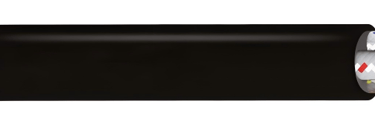
What Type 209 and Type 210 Are
To properly evaluate these assets, it is necessary to define their distinct roles within the heavy industrial hierarchy. While both designs share a common heritage rooted in demanding regional mining specifications, they are engineered for completely different mechanical duties and machine categories.
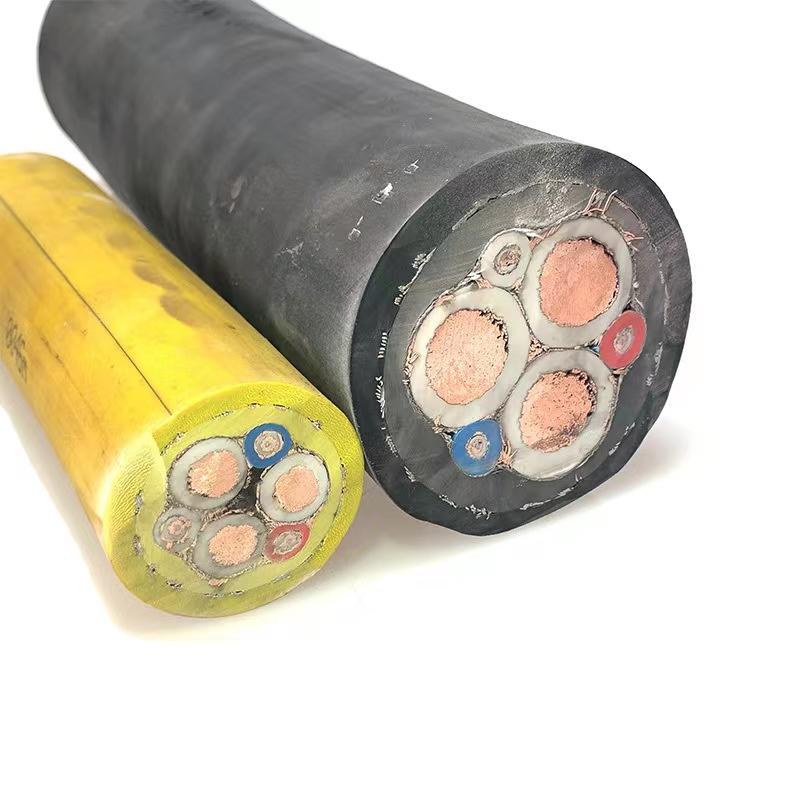
Type 209 is a general-purpose, composite-screened mining cable designed primarily for fixed, semi-mobile feeder, and main power supply duties. It serves as the primary electrical artery in underground environments, carrying medium to high voltages ranging from 1.1/1.1 kV up to 11/11 kV. Its structural layout is designed to handle high current capacities over long distances.
In a typical layout, the Type 209 cable acts as the vital electrical link between a mobile substation or gate-end box and large-scale stationary or semi-mobile machinery, such as high-output ventilation fans, heavy-duty dewatering pumps, regional rock crushers, and continuous miners. Because it must often span long stretches of underground tunnels—either suspended from roof structures or laid along dedicated cable trays—its engineering design prioritizes electrical insulation integrity, robust shielding, and environmental resistance.
Type 210, by contrast, is a flexible rubber mining cable designed specifically for lighter, highly dynamic, and repetitive physical handling. Rated at 1.1 kV, it is optimized for small-scale mobile machinery, specifically hand-held boring machines, heavy drills, and localized dynamic extraction tools.
Unlike a feeder cable that remains relatively stationary once installed, a Type 210 cable is continuously twisted, bent, dragged, and coiled by operators throughout a single working shift. Its physical dimensions are intentionally kept tighter and more compact, with nominal conductor areas typically ranging from 1.5 mm² to 2.5 mm². This design ensures the entire assembly remains light and maneuverable enough for human handling and continuous multi-axis rotation without subjecting the inner copper cores to premature fatigue or physical snapping.
Standard Background
The longevity of these cable types is due to their strict adherence to regional safety standards. They are governed by the rigorous system of Australian and New Zealand standards (AS/NZS), which are widely regarded as some of the most demanding safety guidelines anywhere in the international industrial sector.
The absolute core framework for these designs is AS/NZS 1802, which outlines the mandatory construction and performance criteria for electric cables used in enclosed, hazardous underground coal mine environments. Because underground coal mines present a constant risk of explosive methane gas accumulation and highly combustible coal dust, AS/NZS 1802 enforces strict rules regarding physical layering, earth screening, and flame-retardant material characteristics.
For operations that extend outside the immediate hazardous coal face or involve surface operations and open-cut infrastructure, AS/NZS 2802 serves as the primary standard for reeling and trailing cables. This standard governs applications where movable plants and heavy machinery require a flexible, high-voltage power supply capable of surviving continuous mechanical spooling.
Supporting this framework are two crucial material-specific guidelines: AS/NZS 1125 and AS/NZS 3808. AS/NZS 1125 sets the strict metallurgical benchmarks for conductors in insulated electric cables, ensuring the copper used achieves precise electrical conductivity and physical flexibility.
AS/NZS 3808 defines the exact chemical, thermal, and mechanical criteria for elastomer insulation and sheathing materials. It ensures that the rubber compounds used can withstand continuous operational temperatures up to 90°C without breaking down. By adhering to these standards, Type 209 and Type 210 cables deliver predictable safety performance that engineers can easily verify, catalog, and trust.
Type 209 Design Logic
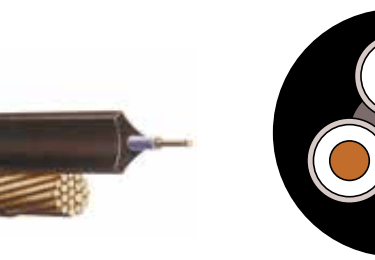
The internal engineering layout of the Type 209 cable demonstrates how structural layering can protect an electrical system from extreme physical hazards. Designed for general-purpose feeder service, it features a balanced, multi-layered layout that guarantees structural safety.
Type 209 Layered Architecture: [Central Pilot Core]
└── Surrounded by: [3 × Phase Cores (Tinned Copper + EPR Insulation)]
└── Wrapped in: [Composite Screen (Tinned Copper + Polyester)]
└── Encased in: [Heavy-Duty Elastomer Outer Sheath]
At its center sits a single, extensible central pilot core. This pilot core serves as a continuous low-voltage electrical monitoring link. If the cable is ever pulled apart or crushed by a heavy vehicle, the pilot wire breaks first, instantly signaling the circuit breaker upstream to cut the high-voltage power before an exposed live phase wire can ignite an explosive gas pocket.
Surrounding this central pilot core are three distinct phase cores. Each core is built using high-purity, flexible stranded tinned copper conductors. The tin coating prevents the copper from oxidizing when exposed to moisture and the sulfur compounds present in industrial rubber.
For low-voltage variants rated at 1.1/1.1 kV, a thin polyester separator tape wraps the conductor. For variants rated at 3.3 kV and higher, a specialized semiconductive screen is applied directly over the metal strands to ensure a uniform electrical field and eliminate localized voltage stresses.
The primary insulation layer consists of Ethylene Propylene Rubber (EPR), specified under the designation R-EP-90, which safely permits a maximum continuous operating temperature of 90°C. This insulation layer is wrapped in a proofed textile or semiconductive tape (depending on the voltage class) and covered by a high-coverage composite screen. This screen is made by tightly interweaving tinned annealed copper wire with strong polyester yarn.
This composite screen serves a dual purpose: it provides a robust, low-resistance path to earth for fault currents, and it forms a continuous physical shield that protects the insulation from external penetrations. The entire core assembly is encased within a thick, heavy-duty HD-85-PCP (Polychloroprene) elastomer outer sheath. This sheath provides excellent resistance to oil exposure, chemical abrasion, and mechanical impacts.
Type 210 Design Logic
The Type 210 cable uses a different design philosophy, shifting the engineering focus from long-distance high-voltage distribution to extreme flexibility and human maneuverability. Because this cable is specifically intended for hand-held drills and boring equipment, its structural layers are tailored to withstand relentless bending, kinking, and twisting.
Type 210 Core Layout: [Semi-conductive Thermosetting Cradle Separator]
├── Nestles: [3 × Highly Flexible Phase Cores (Tinned Copper + EPR)]
└── Holds: [Central Extensible Pilot Core (EPR Insulated Tinned Copper)]
└── Surrounded by: [Semiconductive & Composite Screens]
└── Finished with: [Heavy-Duty PCP Outer Sheath]
The core of a Type 210 cable features a highly flexible stranded tinned annealed copper conductor wrapped in a protective paper separator layer. The use of finer copper stranding allows the metal to bend around very tight radiuses without developing micro-cracks or work-hardening over time.
Each core is insulated with high-grade EPR and covered with a two-part screening system: an inner semiconductive elastomer screen followed by a flexible composite screen of tinned annealed copper braiding interwoven with polyester yarn. This dual screening setup maintains a secure earth path even when the cable is violently twisted during operation.
A unique structural feature of the Type 210 cable is the integration of a specialized semi-conductive thermosetting compound cradle separator. This internal cradle profile holds the three phase conductors and the EPR-covered central extensible pilot core firmly in their designated positions.
By nestling the cores within this flexible rubber matrix, the cradle prevents the insulated conductors from rubbing against one another and generating frictional heat during high-frequency movement. The entire cable is completed with a rugged outer sheath of heavy-duty Polychloroprene (PCP), with Chlorinated Polyethylene (CPE) or Chlorosulfonated Polyethylene (CSP) available as custom modifications based on specific customer requests.
Why the Old Types Survived
In an era where technology companies frequently push for rapid upgrades, it is worth asking why these established cable designs continue to hold a massive share of the industrial market. The answer lies in the unique financial and operational realities of heavy infrastructure projects.
Underground mines are capital-intensive operations designed around equipment layouts and duty cycles that remain unchanged for years. When a mining facility commissions a fleet of continuous miners, production drills, or regional pumping stations, the entire supporting infrastructure—including the gate-end boxes, the couplers, the internal transformer taps, and the mechanical cable handling systems—is engineered to match a specific cable size, weight, and electrical profile.
Introducing an entirely new, non-standardized cable design yields no financial benefit; instead, it creates a serious compatibility risk. Engineering teams prefer to stick with a known performance history. If a cable type has successfully resisted moisture, handled rock impacts, and prevented fire spread for 20 years, changing that specification is an unnecessary risk.
Furthermore, infrastructure operators prioritize spare-part availability and long-term maintainability. By using standardized Type 209 and Type 210 designs, procurement teams can source replacement lengths from multiple qualified suppliers worldwide. This ensures competitive pricing and immediate delivery, keeping operations running smoothly without requiring expensive conversions of legacy termination systems.
British and Australian Heritage
The engineering DNA of modern Type 209 and Type 210 cables is closely linked to a long line of international industrial standards. Australia’s comprehensive mining regulations did not develop in isolation; they grew directly from older, field-proven British engineering traditions.
During the early and mid-20th century, British Standard (BS) specifications set the baseline for heavy industrial and marine cabling worldwide. When Australia began expanding its massive coal and iron ore operations, local engineers adopted these British principles—such as using tinned copper conductors, woven metal braids, and durable vulcanized rubber jackets—and adapted them to the harsher, hotter conditions of the Australian outback and deep underground basins.
Lineage of Technical Standardization:
[UK British Standard (BS) Traditions]
│ (Adoption of fundamental rubber chemistry & copper tinning)
▼
[Australian Local Mining Standardization]
│ (Introduction of AS/NZS 1802/2802 for hazardous environments)
▼
[Modern AS/NZS Global Infrastructure Applications]
This evolution led to the creation of specialized national standards like AS/NZS 1802 and AS/NZS 2802. These modern documents retain the core principles of British metallurgical reliability while introducing much stricter requirements for earth fault containment, insulation tracking resistance, and self-extinguishing polymer performance. Today, when an infrastructure project in the Middle East or South Africa specifies an AS/NZS 1802 cable, they are utilizing a refined technical lineage designed to handle intense heat, heavy dust, and rough physical handling.
Modern Mining Applications
In modern infrastructure projects, these two cable types are clearly separated into two distinct operational roles based on their physical strengths.
Type 209: The Heavy Power Distribution Backbone
Because of its wide range of voltage ratings and large cross-sectional area options, Type 209 is the preferred choice for heavy distribution and fixed plant services. For example, in deep underground dewatering projects where high-capacity pumps must run continuously to prevent flooding, Type 209 delivers reliable, uninterrupted power.
Its thick HD-85-PCP outer sheath allows it to be safely submerged in temporary mine water accumulations or pulled through rough concrete conduits without degrading the underlying EPR insulation. It also powers large overhead ventilation fans, regional rock crushers, and serves as the main flexible feed line connecting stationary transformers to mobile distribution boxes.
Type 210: The Dynamic Tool Connection
Type 210 is used exclusively where tools and machines are constantly in motion. Its main home is at the active extraction face, connected directly to hand-held boring machines, core drills, and localized bolting equipment.
When an operator maneuvers a heavy drill to shore up a tunnel roof, the cable must bend and twist continuously. The unique internal cradle separator and fine copper stranding of the Type 210 ensure it can handle these tight bending angles without suffering internal shorts or stretching the pilot wire. This durability keeps the machine running safely through long, demanding shifts.
Feichun Product Positioning
Within this global industrial landscape, Feichun has established itself as a reliable manufacturer of mining cable solutions, focusing on the production of Type 209 and Type 210 designs. Rather than trying to reinvent these established designs, Feichun focuses on strict compliance with the core AS/NZS 1802 and AS/NZS 2802 standards.
The Feichun manufacturing philosophy emphasizes technical consistency and material precision. By sourcing high-purity copper and using advanced vulcanization processes for their EPR and PCP formulations, Feichun ensures that each production run matches the exact dimensions, electrical resistances, and physical performance metrics defined by regional standards.
For infrastructure developers and procurement managers managing large-scale equipment overhauls or new project specifications, Feichun offers field-proven compatibility. Their cables integrate smoothly into existing mine networks, making them an excellent choice for direct replacement needs or new project designs that require reliable, standard-compliant performance.
Technical Comparison Insights
To help engineering teams choose the right cable for their specific project needs, it is helpful to look at how these two designs differ in their core mechanical and electrical characteristics:
Primary Application Focus: Type 209 is engineered for general-purpose power distribution, serving as a reliable feeder line for stationary and semi-mobile plants like pumps, fans, and continuous miners. Type 210 is designed for high-flexibility, hand-held tools, specifically boring machines and mobile drills.
Voltage and Scaling Capacity: Type 209 supports medium to high-voltage distribution, with models covering 1.1 kV up to 11 kV, and conductor areas up to 300 mm² to handle heavy current loads. Type 210 operates strictly within the 1.1 kV low-voltage class, with compact conductor sizes (typically 1.5 mm² to 2.5 mm²) to keep the cable lightweight and easy to handle.
Mechanical Movement Profile: Type 209 is designed to handle temporary suspension, placement in ducts, and occasional relocation behind mobile machinery. Type 210 is built to withstand constant, multi-axis flexing, rapid coiling, and repetitive human handling throughout the working day.
Internal Structural Design: Type 209 uses a clean, circular arrangement of three phase cores clustered around a single central pilot wire. Type 210 includes a specialized semi-conductive thermosetting cradle separator that securely locks the moving conductors in place, reducing internal friction during heavy movement.
Recommended Infrastructure Implementation Practices
To maximize the service life of these cables and maintain high safety standards on-site, project engineers should follow these three practical implementation guidelines:
Implement Strict Cable Tension Management
While Type 209 cables feature durable elastomeric sheaths and Type 210 cables use internal cradle separators, they should never be subjected to excessive pulling force beyond their rated mechanical limits. When installing Type 209 along long tunnel runs, use proper rollers and suspension saddles to distribute the weight evenly and prevent localized stretching. For Type 210 cables on mobile drills, ensure the mechanical strain-relief clamps are properly tightened at the machine entry point to protect the internal connections from direct pulling stress.
Conduct Routine Insulation and Pilot Loop Inspections
The integrated central pilot core in both designs is a vital safety feature. Maintenance teams should run automated continuity tests on the pilot loop at the start of every shift. A rising resistance value in the pilot loop is an early warning sign that the cable has suffered internal stretching or mechanical crushing, allowing teams to replace the section before a complete insulation failure occurs.
Enforce Proper Storage and Reeling Habits
When trailing cables are not actively in use, they should be stored on properly sized storage reels or laid out in clean, dry cutouts away from heavy vehicle traffic. Coiling a flexible rubber cable too tightly can cause the internal copper strands to deform over time. Maintaining a proper bend radius ensures the EPR insulation and PCP outer jacket retain their structural shape and performance over years of service.
Conclusion
The ongoing use of Type 209 and Type 210 cables in modern infrastructure projects proves that field-proven reliability remains invaluable in heavy industrial engineering. These cables continue to be specified for demanding underground projects because they successfully solve the real physical problems of power delivery in harsh environments.
Their long-term industry acceptance is built on a foundation of trusted standards, carefully formulated materials, and total compatibility with existing machinery infrastructure. As modern infrastructure projects grow larger and more complex, the need for stable, predictable electrical distribution becomes even more critical.
By relying on standard-based engineering designs rather than passing marketing trends, operators ensure their heavy machinery stays powered, their project timelines remain on track, and their underground teams can work safely day after day. Modern, challenging projects will always require rugged cables engineered specifically for harsh environments, and Type 209 and Type 210 remain fully prepared to meet that demand.
Port crane cables | Mining cables | Reeling cables | Trailing cables | Festoon cables | Heavy-duty power cables | Medium voltage cables | Offshore crane cables | Underground mining cables | Dragline cables | Shearer cables | Container handling cables | STS crane cables | RTG cables | Mobile equipment cables | Armored cables | Flexible power cables | VFD cables | Submersible cables | Cold resistant cables | Abrasion resistant cables | Flame retardant cables | Marine environment cables | Opencast mining | Underground operations
© 2006 All rights reserved.
[INDUSTRIAL_CABLES]
INDUSTRIAL GRADE CABLE SYSTEMS | PORT & MINING SOLUTIONS
TEL: +86 153 7530 2641 |MAIL: hongjing.Wang@feichuncables.com