Water-Resistant Rubber Compounds for Submersible Pumps in Mining and Dewatering
Find out why deep mine dewatering requires waterproof rubber cables, how water pressure damages cable insulation, and which compounds improve submersible pump reliability.
hongjing.Wang@Feichun
7/15/202610 min read
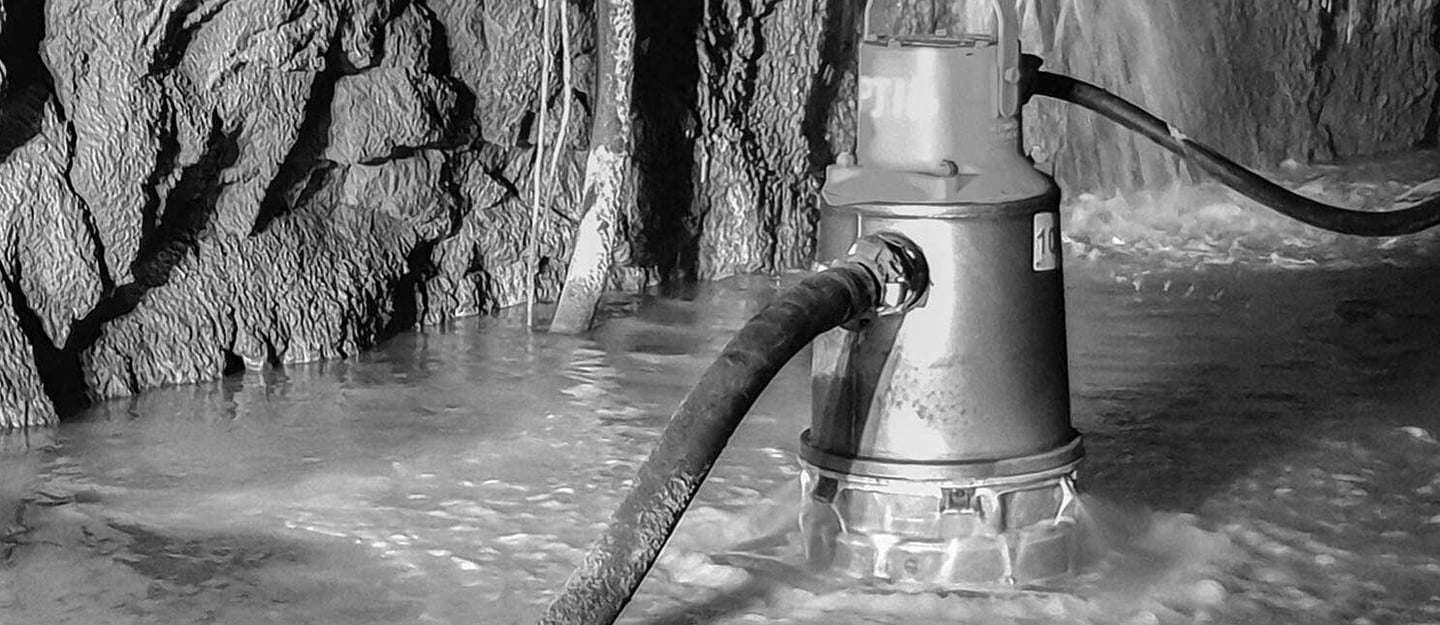
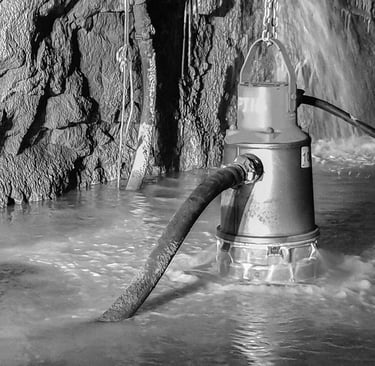
Underground mining is a continuous battle against the elements, and no element poses a more constant, relentless threat to operational continuity than water. Deep beneath the surface of the earth, as tunnels pierce through geological strata, they inevitably encounter natural aquifers, fault zones, and subterranean water channels. Without highly efficient, continuous dewatering systems, an underground mine would quickly flood, halting production, destroying multi-million-dollar machinery, and trapping personnel in hazardous environments.
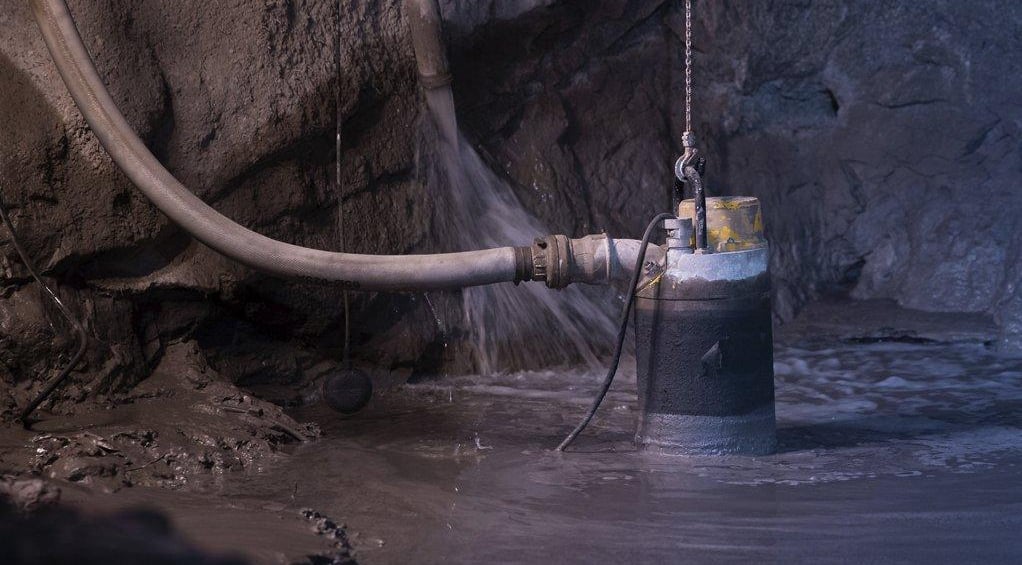
At the heart of these dewatering operations are high-capacity submersible pumps. These heavy-duty machines must run 24 hours a day, positioned deep within flooded sumps, bottom shafts, and wet galleries. To keep these pumps running, electricity must travel down high-voltage or medium-voltage cables that are completely submerged in harsh, turbulent water. Under these conditions, the electrical cable is not just a passive power line; it is a critical safety barrier that must survive continuous water exposure, high hydrostatic pressure, and mechanical wear.
For mine project directors, engineering consultants, and procurement managers across key infrastructure regions, understanding the science of water-resistant rubber compounds is essential. Standard industrial cables are bound to fail in these deep environments. This guide analyzes why deep mine dewatering requires specialized water-resistant and water-blocking cable designs, how intense water pressure degrades insulation over time, and what material combinations keep these operations running reliably.
1. Why Dewatering Cable Safety Matters
To understand the critical role of dewatering cable safety, one must first visualize the sheer scale of water management in modern mining. Underground dewatering is not a minor drainage task; it is an active, continuous system of groundwater inflow control and water-pressure management. In many of the world's deepest extraction facilities, several tons of water must be pumped out of the earth for every single ton of ore extracted.
Dewatering systems operate in some of the most unforgiving spaces imaginable:
Deep Shafts: Where water slowly drips down the vertical walls, exposing hanging cables to continuous surface moisture and physical stretching.
Wet Galleries and Sumps: Low points in the mine where acidic, chemical-laden runoff accumulates before being pumped to the surface.
Flooded Working Faces: Areas where drilling and blasting expose new rock faces, causing sudden rushes of groundwater that can instantly submerge nearby electrical equipment.
In these environments, submersible pump cables face a combination of extreme physical stresses. They must withstand being pulled, dragged over sharp rock corners, and exposed to highly corrosive chemicals dissolved in the mine water, all while remaining completely submerged.
If a pump cable fails, the consequences are immediate and severe. The submersible pump stops instantly, and water levels in the lower shafts begin to rise. Even a brief delay in pumping can flood lower working areas, trapping expensive mining vehicles and cutting off critical extraction zones.
Furthermore, a compromised high-voltage cable in standing water poses a massive safety hazard for ground crews, as electrical leakage currents can travel through the wet mine floor. Therefore, in the field of mine dewatering, a cable must do much more than simply resist water; it must be engineered to survive continuous submersion under pressure for years.
2. What Hydrostatic Pressure Does
The most significant difference between a cable operating in a damp surface trench and one submerged in a deep mine shaft is the physical force of hydrostatic pressure. Many general-purpose cable sheaths can keep out surface moisture when wet, but they quickly fail when subjected to the crushing force of deep water.
The physical law governing hydrostatic pressure is straightforward: pressure increases in direct proportion to the density of the fluid, the force of gravity, and the total depth of submersion.
[Image showing hydrostatic pressure increasing with depth]
To understand the real-world impact of this physical law, consider a typical deep mine dewatering sump:
At a depth of 10 m under water, the hydrostatic pressure is roughly 1 bar.
At a depth of 50 m under water, the pressure rises to roughly 5 bar.
At a depth of 100 m under water, the pressure reaches a crushing 10 bar.
A pressure of 10 bar exerts a continuous force of 10 kilograms on every single square centimeter of the cable's outer surface. This immense, continuous pressure acts like a physical hydraulic press, searching for any tiny microscopic vulnerability in the cable's outer jacket.
If the outer jacket has even a minor scratch from installation, or if the termination points at the pump entry are not perfectly sealed, this high hydrostatic pressure will force water deep into the cable structure. Once water penetrates the outer jacket, the pressure continues to push the moisture inward through the internal layers, past the bedding compound, and directly onto the outer surface of the insulated conductors.
At these depths, standard rubber jackets compress and deform, allowing moisture to slowly migrate through the polymer matrix on a molecular level. Matching cable construction to the precise depth of installation is the only way to resist this continuous hydraulic force.
3. Water Ingress Failure Mechanism
Water ingress into a high-voltage submerged cable is rarely an instantaneous event. Instead, it is a slow, hidden process of degradation that occurs over months or even years. Because the damage happens deep within the cable structure, it is impossible to detect through simple visual inspection, making it a dangerous vulnerability for mine operators.
The failure sequence follows a predictable path of degradation:
[Damaged Jacket / Micro-fissures] │ ▼ (Hydrostatic Pressure) [Water Penetration into Cable Core] │ ▼ (Electric Field Stress) [Insulation Degradation / Water Treeing] │ ▼ [Partial Discharge / Leakage Current] │ ▼ [Complete Electrical Breakdown / Cable Failure]
This degradation process begins when moisture penetrates the outer jacket and comes into direct contact with the internal polymer insulation, typically Ethylene Propylene Rubber (EPDM). Even high-quality rubber compounds can absorb tiny amounts of moisture over time when subjected to high pressure and strong electric fields.
Once moisture penetrates the insulation, a phenomenon known as water treeing begins to develop. Water trees are microscopic, tree-like paths of moisture that slowly grow through the insulation layer in the direction of the electric field. This process is accelerated by the continuous high-voltage stress of the cable.
As these micro-channels grow, they gradually reduce the effective thickness of the insulation layer. The process is further accelerated by repeated wetting and drying cycles as pump sumps are drained and refilled. When the mine sump is drained, the cable dries out slightly, leaving behind microscopic void spaces and mineral deposits within the rubber. When the sump refills, water is forced back into these voids under pressure, widening the paths.
Over time, these water trees grow large enough to bridge the gap between the live copper conductor and the grounded outer screen. This leads to partial discharges and small leakage currents.
Eventually, the weakened insulation can no longer contain the high voltage, resulting in a sudden electrical arc that melts the copper, destroys the surrounding cable layers, and trips the upstream circuit breaker. By the time the breaker trips, the cable is completely ruined and must be replaced.
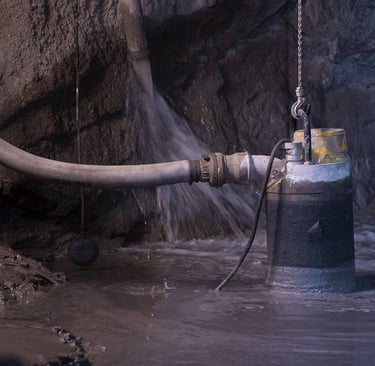
4. Why Ordinary Rubber Is Not Enough
Standard rubber-sheathed cables are highly versatile, flexible, and durable products for general industrial use. Commonly made from basic natural rubber or standard styrene-butadiene formulations, they perform beautifully in warehouses, manufacturing plants, and surface workshops. They are tough enough to handle being dragged across concrete floors and provide basic protection against occasional rain or minor splashes.
However, when these ordinary rubber compounds are submerged in deep, chemically active mine water, their structural limitations quickly become apparent.
The Limits of Standard Rubber Chemistry
Standard rubber polymers are built with open, flexible molecular chains that allow the material to stretch and bend easily. Unfortunately, this open molecular structure also makes them highly permeable to water molecules over time. Under the continuous, crushing force of hydrostatic pressure, water molecules slowly seep into the polymer matrix, filling the microscopic gaps between the rubber molecules.
Additionally, standard rubber compounds lack the chemical stabilizers needed to resist the aggressive chemicals found in mine water. Underground dewatering sumps rarely contain clean water; they are filled with a highly corrosive mix of:
Acidic Runoff: Mining operations often expose sulfur-bearing minerals, turning the groundwater highly acidic.
Dissolved Salts and Minerals: High concentrations of dissolved chlorides, sulfates, and heavy metals can chemically attack the rubber polymers.
Oils and Hydraulic Fluids: Runoff from mining vehicles and machinery often leaves a layer of floating oil on the surface of sumps.
When standard rubber is exposed to this chemical mix, it undergoes a process called hydrolytic degradation. The acidic water breaks down the polymer chains, causing the rubber to swell, soften, and lose its physical strength.
Once softened, the cable jacket can be easily torn open by dragging it over rocks. This shows that a reliable mining dewatering cable must use specialized rubber compounds that can withstand water pressure, resist chemical attacks, and maintain mechanical strength all at the same time.
5. Water-Resistant Rubber Compounds
To survive continuous submersion under pressure, cable chemists use specialized synthetic elastomers. Each of these compounds is chosen for its unique molecular structure and physical properties, allowing manufacturers to tailor cables for specific dewatering environments.
The primary synthetic polymers used in high-performance dewatering cables include:
Ethylene Propylene Diene Monomer (EPDM)
EPDM is widely regarded as one of the best insulation materials for submerged applications. Because it has a completely saturated polymer backbone, EPDM is exceptionally resistant to water absorption, ozone, and ultraviolet (UV) radiation.
Its tight molecular structure prevents water molecules from migrating through the material, even under high hydrostatic pressure. Furthermore, EPDM maintains its excellent dielectric strength and physical flexibility across a wide temperature range (from -40°C up to 90°C), making it the ideal choice for insulating high-voltage conductor cores in wet environments.
Chlorosulfonated Polyethylene (CSP) and Chlorinated Polyethylene (CPE)
While EPDM is an excellent insulation material, it is relatively soft and can be easily damaged by sharp rocks. To protect the EPDM-insulated cores, cable manufacturers use tougher compounds like CSP or CPE for the inner and outer sheaths.
These chlorinated polymers contain chlorine atoms built directly into their molecular chains, which gives them exceptional physical toughness, flame retardancy, and resistance to oils and chemicals. When formulated correctly, CSP and CPE sheaths form a highly durable, watertight outer barrier that resists chemical degradation and prevents water ingress.
Polyurethane (PUR)
For applications where the cable must be constantly moved, dragged, or coiled, Polyurethane (PUR) is an excellent outer sheathing option. PUR is a remarkably tough thermoplastic elastomer that provides the highest level of abrasion and tear resistance available.
While it is slightly more expensive than standard rubber sheaths, its mechanical strength prevents cuts and scrapes that could otherwise allow water to reach the inner layers of the cable.
6. Waterproof Cable Structure
Just like a modern building relies on multiple physical barriers to keep out the elements, a high-performance dewatering cable must feature a multi-layered physical structure. Using high-quality rubber compounds is only half the battle; the overall structural design must prevent both radial and longitudinal water movement.
A typical high-performance, water-blocking dewatering cable features the following layers:
The Copper Conductor Cores
At the center of the cable are the flexible stranded copper conductors. To prevent the copper from oxidizing and corroding if moisture ever reaches the core, the individual strands are coated in a thin layer of protective tin.
The EPR/EPDM Insulation
Each conductor is wrapped in a thick layer of high-grade, water-resistant EPDM insulation, which maintains a secure electrical barrier even under high-voltage loads and continuous submersion.
The Water-Blocking Layer
This is one of the most critical components of a true waterproof cable. If the outer jacket is cut or damaged, water will enter the cable and travel along the gaps between the conductor strands, a process known as longitudinal water migration.
To prevent this, manufacturers wrap the insulated cores in specialized water-blocking tapes or fill the gaps with super-absorbent polymer powders. When these materials come into contact with water, they instantly swell up to form a thick, watertight gel barrier that blocks the water and keeps it confined to the immediate area of the cut.
The Inner Elastomeric Sheath
This inner layer, typically made from durable CPE, holds the twisted cores firmly in place and cushions them against physical impacts.
The Outer Waterproof Jacket
The outermost layer is a thick, heavy-duty jacket made from premium CSP, CPE, or PUR. This layer serves as the primary barrier against the physical and chemical hazards of the mine sump, keeping out mud, resisting oils, and preventing water from penetrating the inner layers of the cable.
7. Why Deep Shafts Demand Special Design
As mining operations push deeper into the earth, the demands placed on dewatering equipment grow exponentially. A dewatering system operating in a shallow surface pit is relatively simple to maintain, but a deep-shaft system presents unique challenges that require highly specialized engineering.
In deep vertical shafts, dewatering cables face three major challenges:
Immense Hydrostatic Pressure: As the shaft deepens, the water pressure at the pump inlet can easily exceed 20 bar, requiring specialized sheathing and water-blocking systems to prevent water ingress.
High Tensile Loads: A cable hanging down a vertical shaft must support its own considerable weight. Standard flexible cables can stretch under their own weight, which deforms the outer jacket and makes the cable more vulnerable to water penetration.
Extremely Difficult Access: Replacing a damaged cable in a deep vertical shaft is a slow, difficult, and hazardous task. It often requires shutting down the main pump lines, setting up heavy rigging equipment, and sending maintenance crews into tight, wet shafts.
Because of these challenges, using low-quality or non-standardized cables in deep shafts is a significant financial risk. The cost of the cable itself is minor compared to the massive financial losses caused by an unexpected pump shutdown and the subsequent flooding of lower working areas. Investing in specialized, deep-shaft waterproof cables is the only way to ensure continuous, safe dewatering operations in deep mines.
8. What Buyers Should Look For
For mine managers, electrical engineers, and procurement teams, selecting the right submersible pump cable is a major responsibility. To ensure your dewatering operations are fully protected, always consider these five critical factors before making a purchase:
Maximum Operating Depth: Always verify the cable’s rated submersion depth. Ensure the outer jacket and sealing systems are designed to withstand the hydrostatic pressure at your deepest installation point.
Water Chemistry Resistance: Analyze the chemical makeup of your mine water. If the water is highly acidic or contains dissolved oils, specify tough, chemically resistant outer sheaths like CPE or PUR.
Longitudinal Water-Blocking: Ensure the cable design includes active water-blocking tapes or swellable powders to prevent water from migrating along the core if the outer jacket is damaged.
Mechanical Wear Demands: If the cable will be regularly dragged, coiled, or moved, choose highly flexible designs with abrasion-resistant outer jackets to prevent physical damage.
Standard Compliance: Verify that the cable complies with international mining safety standards, ensuring its performance and material quality are certified by independent testing laboratories.
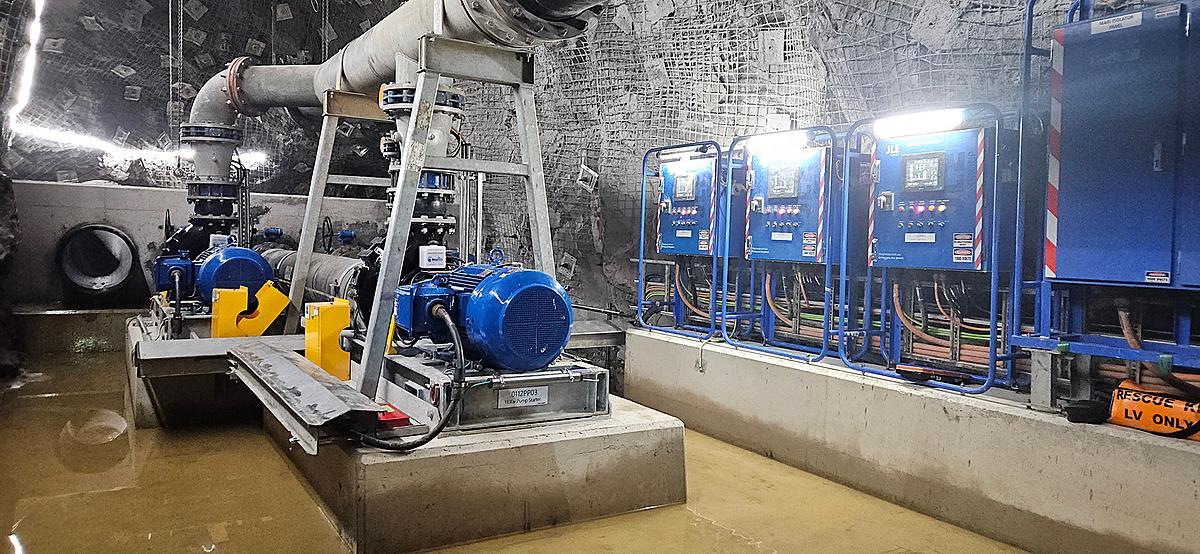
9. Feichun Waterproof Cable Solutions
To meet the demanding requirements of underground dewatering, Feichun has developed a comprehensive range of high-performance waterproof and water-resistant mining cables. Rather than offering generic, multi-purpose industrial lines, Feichun focuses on manufacturing specialized cable solutions engineered specifically for wet and high-pressure environments.
Feichun’s manufacturing process utilizes advanced vulcanization techniques and premium synthetic elastomers, including high-grade EPDM for insulation and robust CPE and PUR for outer sheathing. Their designs feature integrated, high-expansion water-blocking tapes that prevent longitudinal water migration, ensuring that any localized physical damage remains contained.
For mine operators managing deep vertical shafts or highly acidic sumps, Feichun provides technical support to help match cable specifications to actual site conditions, delivering reliable, long-lasting performance that helps prevent unexpected dewatering shutdowns.
10. Closing Message
Deep mine dewatering is a complex engineering challenge that requires managing water pressure, chemical corrosion, and physical wear all at the same time. Relying on standard, non-waterproof cables in these demanding environments is a major risk that can lead to unexpected failures, expensive downtime, and serious safety hazards.
By investing in specialized water-resistant rubber compounds and advanced multi-layered cable structures, mine operators can protect their equipment, maintain continuous dewatering, and keep their operations running safely. Choosing the right cable is the best way to prevent hidden moisture damage from turning into a major operational crisis, ensuring your underground teams can work productively day after day.
Port crane cables | Mining cables | Reeling cables | Trailing cables | Festoon cables | Heavy-duty power cables | Medium voltage cables | Offshore crane cables | Underground mining cables | Dragline cables | Shearer cables | Container handling cables | STS crane cables | RTG cables | Mobile equipment cables | Armored cables | Flexible power cables | VFD cables | Submersible cables | Cold resistant cables | Abrasion resistant cables | Flame retardant cables | Marine environment cables | Opencast mining | Underground operations
© 2006 All rights reserved.
[INDUSTRIAL_CABLES]
INDUSTRIAL GRADE CABLE SYSTEMS | PORT & MINING SOLUTIONS
TEL: +86 153 7530 2641 |MAIL: hongjing.Wang@feichuncables.com